
About 1 in 4 Americans has paid a credit card bill late in the past year, and the cost is not just the $30 to $41 late fee. A single late payment that hits your credit report can drop your score by 60 to 110 points and stay there for seven years. Understanding your credit card payment due date is one of the fastest ways to protect your credit.
This guide breaks down how issuers set your due date, the difference between the statement date and the due date, and what really happens when you pay late. You will also get four practical ways to make sure you never miss a payment again, even if your paycheck lands at an awkward time of the month.
How Your Credit Card Payment Due Date Is Set
Your credit card payment due date is tied to your statement closing date, which is the day your billing cycle ends. Federal law requires issuers to give you at least 21 days between the statement closing date and the payment due date.
In practice, most issuers offer a 23 to 25 day window. So if your statement closes on the 10th of the month, your payment is usually due somewhere between the 2nd and the 4th of the next month.
The due date also has to fall on the same calendar day each month. If the issuer sets your due date as the 5th, it stays the 5th every month, even if that date lands on a weekend or holiday.
Statement Date vs Due Date: The Key Difference
Your statement date is when the billing cycle closes and the issuer calculates your balance. Everything you charged during that cycle shows up on one statement.
Your due date is the deadline to pay at least the minimum on that statement without a late fee or a hit to your credit. The gap in between is your grace period, which also affects whether you pay interest.
How the Grace Period Works
If you pay your full statement balance by the due date, you owe no interest on new purchases from that billing cycle. This is called keeping your grace period active.
If you carry even $1 of the statement balance into the next month, the grace period disappears. You start paying interest on new purchases from the day they post, not from the due date.
Why the Due Date Matters So Much
Paying on time is the single biggest factor in your credit score, accounting for about 35% of your FICO score. Missing a due date by even a few days can trigger fees and lost grace periods.
Missing a payment by 30 days is worse. Once you are 30 days past due, the issuer can report the late payment to Experian, Equifax, and TransUnion, which is when your credit score takes the real hit.
What Happens When You Pay a Few Days Late
If you pay within the same billing cycle but after the due date, you usually owe a late fee. The first late fee is capped at around $32 under federal rules, and repeat late payments can run up to about $41 as of 2026.
You also lose your grace period for that cycle, which means interest starts accruing on your new purchases. Most issuers do not report a payment to the credit bureaus until it is at least 30 days late, so paying a few days late hurts your wallet but usually not your credit score.
What Happens When You Pay 30+ Days Late
Once a payment is 30 days past due, the issuer reports the late payment to the credit bureaus. A single 30-day late can drop a 750 score by 80 to 110 points, according to FICO simulations.
At 60 days late, the fee stacks and the damage grows. At 90 days late, the issuer can charge off the account and send it to collections, which is one of the worst marks you can have on your credit report.
Can You Change Your Credit Card Payment Due Date?
Yes, most major issuers let you change your payment due date once every 6 to 12 months. You can usually do this in the mobile app, on the issuer website, or with a quick phone call.
Changing your due date to match your payday is one of the easiest ways to avoid late payments. If you get paid on the 1st and the 15th, a due date around the 5th or the 20th lines up with your cash flow.
The Current Build Card and many other credit builder cards offer in-app due date changes with no fee. Check your issuer app under payment settings or billing preferences to see the option.
Current Build Card
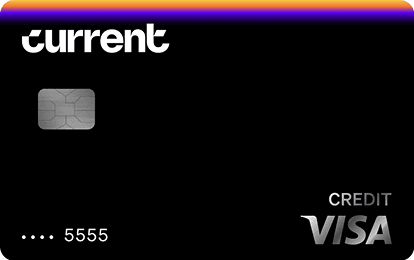
Current Build Card
$0 annual fee. No minimum deposit required. No credit check required. 1 point per dollar on eligible categories. Reports to Experian, TransUnion, Equifax.
Fee
$0
APR
0%
Minimum Deposit Amount
$0
Credit Check
No
Cashback
1 point/dollar on eligible categories (with qualifying payroll deposit)
Benefit
No credit check, no deposit minimum
Four Ways to Never Miss a Credit Card Payment Again
Most late payments come from forgetfulness, not lack of money. These four habits knock out the most common causes.
1. Set Up Autopay for at Least the Minimum
Autopay for the minimum payment is the safest default, since it guarantees you never get hit with a late fee or a 30-day late mark. You can always pay more manually before the due date to avoid interest.
Most issuers let you choose autopay for the minimum, the statement balance, or a custom fixed amount. Paying the full statement balance on autopay is ideal if you know the money will always be in your account.
2. Align Your Due Date With Your Payday
If your due date lands three days before payday, you are setting yourself up to fail. Call the issuer or change the date in the app to land a few days after you get paid.
This works especially well for gig workers and people paid biweekly. The due date should be close enough to payday that the money is still there, but far enough that a direct deposit delay does not push you into a late payment.
3. Use Text and Email Alerts
Every major issuer offers free alerts for due dates, statement posts, and large purchases. Turn on a due date reminder for 7 days and 1 day before the due date.
If you struggle with timing, a tool like Brigit can also send cash flow alerts and offer small advances to cover a payment if your account is short. Brigit does not replace autopay, but it helps catch the edge cases.
4. Track All Your Due Dates in One Place
If you have more than one card, use a budgeting app like Monarch Money to pull all your due dates into a single calendar view. Seeing every payment date in one place makes it almost impossible to miss one.
You can also jot the due dates on a paper calendar near your desk or set recurring phone reminders. The tool does not matter as much as the habit.
Watch Your Score Move After Every On-Time Payment
Since payment history is about 35% of your FICO score, it helps to see the payoff as your on-time streak grows. Creditship is a free score tracker that shows your current standing and flags what is helping or hurting your file, so you can confirm your due-date habits are actually lifting your score. Checking your own score this way is a soft pull and never costs you points.
Creditship

Creditship
Get free credit monitoring and concrete advice how to improve your credit from Creditship AI.
Standout feature
AI Credit Coach. AI analyzes your credit report in depth and gives you tailored, actionable steps to raise your score.
Fees
Free
Pros
Free credit report access plus monitoring and alerts
Cons
No credit repair feature
Building Positive Payment History From Scratch
If you are still establishing credit, the fastest way to start a clean on-time record is a card that reports to all three bureaus. The Self Visa® Credit Card pairs a Credit Builder Account with a secured Visa, reports every on-time payment to Experian, Equifax, and TransUnion, and has high approval rates for thin-file applicants. Each due date you hit becomes another positive mark on your report.

What to Do If You Already Missed a Payment
If you realize you are past the due date but still within 30 days, pay the full statement balance as soon as possible. This avoids the credit report hit and may get you the late fee waived.
Call the issuer and ask for a one-time late fee waiver. If you usually pay on time, many issuers will reverse the fee on request, especially for the first offense.
If the payment is more than 30 days late, keep paying it down and bring the account current. The late payment will stay on your credit report for seven years, but the damage fades over time if you make every future payment on time.
Frequently Asked Questions
What time of day is a credit card payment considered late?
Most issuers set a cutoff time of 5 p.m. Eastern on the due date, though some accept payments until 11:59 p.m. local time. Check your card agreement or issuer app for the exact cutoff, and pay at least one business day early to be safe.
Will paying after the due date but before the statement hurt my credit?
Paying a few days after the due date usually does not show up on your credit report, since issuers only report payments that are 30 or more days late. You will still owe a late fee and lose your grace period for that cycle, so the cost is real even if your credit score is unaffected.
Can I change my credit card due date more than once?
Most issuers let you change your due date once every 6 to 12 months, not every month. If you need a different date, log in to the issuer app or call customer service to request the change, and wait for a cycle or two before changing it again.
Does paying the minimum by the due date protect my credit?
Yes, as long as you pay at least the minimum by the due date, the payment is considered on time and will not be reported as late. You will still owe interest on any remaining balance, so paying the full statement balance is better for both your wallet and your credit utilization.



