
Bankruptcy feels final, but it's not the end of your credit story—it's actually a new chapter. Many people qualify for credit cards within months of discharge, and responsible card use is one of the fastest ways to rebuild your credit score. The key is knowing your options, timing your application right, and staying committed to rebuilding. Our step-by-step guide to rebuilding credit after bankruptcy lays out the full sequence — from pulling reports to choosing your first card — so you can pair card decisions with a broader plan.
Can You Get a Card After Bankruptcy?
Yes, absolutely. Bankruptcy is a major financial event, but lenders know that people who've gone through it often become more responsible with credit. They see bankruptcy as a fresh start, not a permanent red flag. Your bankruptcy will stay on your credit report for 7-10 years (Chapter 7 longer than Chapter 13), but its impact fades significantly after 2-3 years of responsible behavior.

How Soon Can You Apply?
Timing varies by card and lender. Some issuers allow applications immediately after discharge, while others prefer 6-12 months of "seasoning" (proof that you can manage credit responsibly post-bankruptcy). Chapter 13 filers can sometimes apply while still in their repayment plan if they can show the court they can handle more credit. Check with lenders directly rather than assume you're automatically disqualified—many will surprise you.
When evaluating your options, understand the key differences between secured vs unsecured credit cards to pick the right tool for your situation.
Secured vs. Unsecured Cards
Secured cards are the safest bet post-bankruptcy. You put down a cash deposit ($200-$2,500), and that becomes your credit limit. The deposit protects the issuer, not you, but secured cards are much easier to get approved for. After 6-12 months of perfect payment history, most secured card issuers will upgrade you to an unsecured card and return your deposit. Some people also qualify for unsecured cards post-bankruptcy, but expect higher fees and lower limits. Start with secured to build momentum.
For a deeper comparison, check out the guide to credit-builder loans vs secured credit cards.
Current Build Card
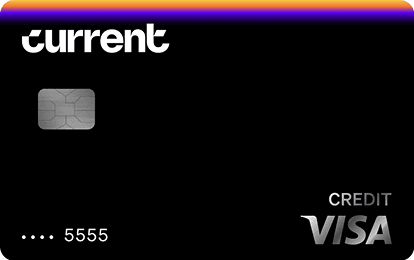
Current Build Card
$0 annual fee. No minimum deposit required. No credit check required. 1 point per dollar on eligible categories. Reports to Experian, TransUnion, Equifax.
Fee
$0
APR
0%
Minimum Deposit Amount
$0
Credit Check
No
Cashback
1 point/dollar on eligible categories (with qualifying payroll deposit)
Benefit
No credit check, no deposit minimum
Rebuilding Your Credit Strategically
Once you have a card, use it like a pro. Make a small purchase each month and pay it off in full before the due date. This shows payment history and credit use, both critical factors in your score. Keep your balance under 10% of your limit (even better than the typical 30% recommendation). Set up autopay so you never miss a payment. Consistency is more important than credit amount right now.
Learn more about how to build credit with a credit card to maximize your rebuilding efforts.
Common Mistakes to Avoid
Don't overextend just because you got approved. Getting multiple cards too quickly or suddenly running up balances looks like you haven't learned from bankruptcy, and it tanks your score. Avoid closing old cards even if you don't use them—age and history help your credit. Don't apply for lots of credit in a short time; space applications out. And absolutely don't miss a payment. One missed payment post-bankruptcy can erase months of progress.
Bankruptcy is behind you now, and a credit card is a legitimate tool to move forward. Start with a secured card if needed, use it responsibly, and watch your score recover faster than you'd expect. Within 2-3 years of solid payment history, you'll be eligible for better rates and better terms. Your financial fresh start is real, and it begins with one small, responsible decision.
FAQ
Can I get a credit card right after bankruptcy discharge? Some issuers will approve you immediately after discharge, while others prefer to wait 6-12 months. It depends on the lender's policies. Start by researching bankruptcy-friendly card issuers.
How much will a new credit card help my score after bankruptcy? A single card helps, but it won't fix everything overnight. You'll see the most improvement by combining a new card with consistent on-time payments over 12-24 months.
Should I get a secured card or an unsecured card? Secured cards are easier to qualify for post-bankruptcy and have proven graduation paths. Start with secured and upgrade to unsecured after building a track record.
What's the biggest mistake people make with credit cards after bankruptcy? Overspending or carrying high balances. You got a second chance—don't waste it. Use the card minimally and pay it off in full each month.
How long before I can get better credit offers after bankruptcy? After 2-3 years of perfect payment history, you'll qualify for better terms. The first 12-24 months focus on rebuilding, not rewards or low rates.



