
If you have a Varo Bank account and a thin credit file, you may be wondering, "Does Varo build credit?" The short answer is yes, with caveats. Varo's Believe Card is a secured charge-card-style product that, as of 2026, reports to all three major credit bureaus. That alone may help thousands of users add positive payment history to their reports each month.
Whether it is the best tool for you is a separate question. Below, we break down how the Believe Card works, what it does well, where it falls short, and how it compares to alternatives like the Current Build Card and the Self Visa Credit Card.
Current Build Card
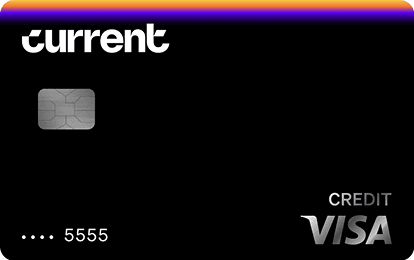
Current Build Card
$0 annual fee. No minimum deposit required. No credit check required. 1 point per dollar on eligible categories. Reports to Experian, TransUnion, Equifax.
Fee
$0
APR
0%
Minimum Deposit Amount
$0
Credit Check
No
Cashback
1 point/dollar on eligible categories (with qualifying payroll deposit)
Benefit
No credit check, no deposit minimum
How the Varo Believe Card Works
The Varo Believe Card is not a traditional credit card. It is a secured charge card linked to your Varo Bank account. You move money into a dedicated Believe account, which acts as your spending limit, then use the card for everyday purchases.
At the end of each month, Varo automatically pays your balance from the Believe funds you set aside. Because there is no carried balance, there is no interest. There are also no monthly fees, no annual fees, and no minimum security deposit when you sign up.
Varo reports your activity to TransUnion, Experian, and Equifax. On-time payments may help build a positive payment history over time, which is the largest factor in your FICO score.
Does Varo Build Credit?
Yes, the Believe Card may help build credit, as long as you keep the underlying Varo Bank account open and active. Reporting to all three bureaus is a strong feature, and the autopay design makes it nearly impossible to miss a payment.
That said, there are limits worth understanding before you commit. The Believe Card only reports while your Varo Bank account is open. Closing the bank account ends the reporting relationship. It is a charge card, not a revolving credit card, so utilization may not factor into your score the same way. You cannot carry a balance, so it does not show lenders how you handle revolving debt.
For many thin-file users, those trade-offs are fine. For users who want to build a richer credit profile, including utilization and credit mix, a secured Visa or Mastercard may do more.
Pros and Cons at a Glance
Pros: No APR, no annual fee, no monthly fee. Reports to all three credit bureaus. Autopay removes the risk of late payments. No hard credit pull to qualify.
Cons: Requires an open and active Varo Bank account. No revolving credit history, which limits credit mix benefits. No rewards or cash back. Limited customer support compared to large banks.
Varo Believe vs. Self Visa Credit Card
The Self Visa Credit Card is a secured Visa that builds credit by securing a card with funds you saved through a Self Credit Builder Account. It reports to all three bureaus and shows up on your file as revolving credit, not a charge card.
That distinction matters. Revolving accounts let lenders see how you handle credit limits, balances, and utilization. Many FICO and VantageScore models weigh utilization heavily, so a low balance on a Self Visa may move your score faster than a paid-in-full charge card.
Self also pairs the card with a credit-builder loan, so you may build payment history on two accounts at once. That helps with credit mix, which makes up about 10% of your FICO score.
Varo Believe vs. Current Build Card
The Current Build Card is another strong alternative. Current's product is a secured charge card built into the Current banking app. Like Varo, it reports to all three bureaus and uses your own funds to set a spending limit.
Where Current may stand out is the user experience and integration. The Build Card sits inside an active checking app many users already use for paychecks, savings buckets, and instant transfers. Auto-pay rules, real-time notifications, and a sharp mobile interface may make daily use easier.
If you want a credit-building tool that fits naturally into a modern banking app, the Current Build Card is the option Firstcard often recommends as a primary pick. APRs and terms vary, and terms and conditions apply.
Other Alternatives to Consider
If you want a deposit-based secured Visa, the Kikoff Secured Credit Card is another option. Kikoff's secured product offers a low fixed credit line and reports to the major bureaus, which may help with both payment history and utilization.
Some users use more than one tool at a time. Pairing a charge card like Varo or Current with a revolving secured Visa like Self or Kikoff may build credit faster by adding two open accounts and two on-time payment streams.
Just be careful not to overload yourself with new accounts. Multiple hard inquiries and very young accounts may temporarily lower your score before things settle.
Who Should Use Varo Believe?
Varo Believe is a fit for a few specific users. If you already have a Varo Bank account, the Believe Card is essentially free and removes the late-payment risk that hurts most credit-building products.
It also makes sense for people who want zero APR and zero fees. If you are nervous about traditional credit cards or have struggled with overspending, a charge card that auto-pays from set-aside funds may feel safer.
For users who want maximum credit-building speed, a richer profile, or who do not want their bank tied to one fintech, alternatives like Current Build Card, Self Visa, or Kikoff may serve better.
Track Score Changes With Free Credit Monitoring
Whether you stick with the Varo Believe Card or move to a richer card later, watching your credit report each month is the cheapest way to confirm the new tradeline is reporting and your score is moving in the right direction. A free credit monitoring tool with AI-powered guidance can flag every change as it lands and tell you the single highest-impact action to take next, so you do not have to guess what to focus on.
Creditship

Creditship
Get free credit monitoring and concrete advice how to improve your credit from Creditship AI.
Standout feature
AI Credit Coach. AI analyzes your credit report in depth and gives you tailored, actionable steps to raise your score.
Fees
Free
Pros
Free credit report access plus monitoring and alerts
Cons
No credit repair feature
Related Reading
- Credit-builder secured credit cards
- How to build credit with no credit history
- How chime credit builder works
- Best credit cards to build credit
- Build credit fast
Frequently Asked Questions
How long does it take Varo Believe to build credit?
Most users see their first reported activity within 30 to 60 days of using the card. Score changes typically begin showing up after 3 to 6 months of consistent on-time payments. Results vary based on your starting score and the rest of your credit file.
Will closing my Varo account hurt my credit?
It can. Closing the linked Varo Bank account ends Believe Card reporting, and the card account may close with it. Losing an active tradeline may shorten your average account age, which can affect your score.
Is the Varo Believe Card a credit card or a debit card?
Neither in the strict sense. It is a secured charge card linked to your Varo Bank funds. It runs on the Visa network like a credit card, but the spending limit is backed by money you set aside in advance.
Can Varo Believe replace a regular credit card?
Not fully. It does not show revolving balances or utilization, and it offers no rewards. It may serve as a starter tool, then you can graduate to a traditional credit card once your score reaches the mid 600s. APRs on graduate cards vary by creditworthiness.




