If you have a low credit score, traditional credit cards can feel like a locked door. Department store cards are often an easier opening. They're designed to keep customers shopping, so stores tend to approve applicants that banks would decline.
Used the right way, one of these cards can rebuild your credit without a security deposit.
Why Store Cards Are Easier to Get
Department stores partner with banks that specialize in subprime lending. Their goal isn't to be your main credit card, it's to keep you shopping at that store. That changes the math of approval.
You can often qualify with a credit score in the high 500s or low 600s, and in some cases even lower. Credit limits usually start low ($150-$500), which limits the bank's risk.
The trade-off: interest rates are high, often around 25-30%, and the card usually only works at that store or brand family.
14 Best Department Stores Most Likely to Approve You
Approval odds shift over time, but these retailers are consistently ranked as easier approvals:
- Target RedCard: offers both a store card and a Mastercard; the store version is typically easier to get.
- Kohl's Card: known for approving scores in the high 500s and sending frequent discount coupons.
- JCPenney Credit Card: long-running easy-approval store card.
- Macy's Credit Card: starts with low limits for new credit profiles.
- TJX Rewards Card (T.J. Maxx, Marshalls, HomeGoods): one of the most accessible store cards for limited credit. Our step-by-step walkthrough for how to apply for the TJ Maxx credit card covers the process and approval odds in detail.
- Walmart Credit Card: a popular big-box option worth checking if you already shop at Walmart. See our guide on Walmart credit card approval odds with bad credit for score ranges, the Capital One underwriting process, and what happens if you get declined. Warehouse-club shoppers should also see our step-by-step guide to applying for the Sam's Club credit card, which uses the same Capital One underwriting and pre-approval flow.
- Victoria's Secret Credit Card: a specialty retail card that typically approves fair to poor credit and reports to the bureaus. See our step-by-step guide on how to apply for a Victoria's Secret credit card for requirements and perks.
- Tractor Supply Credit Card: if you shop at TSC for feed, tools, or ranch supplies, see our walkthrough on how to apply for the Tractor Supply credit card for approval requirements and rewards.
- Fingerhut: technically a catalog credit account; often approves very low credit scores.
- Old Navy Credit Card: the Navyist Rewards card covers Gap Inc. brands like Old Navy, Gap, Banana Republic, and Athleta. It is one of the easier apparel cards to get approved for, and the store version reports to the credit bureaus.
- Amazon Store Card: a store-branded secured option that bundles credit building with Prime rewards. The secured structure makes approval easier for thin or damaged credit, so it is worth a look if Amazon is where most of your spending goes.
- Buckle Credit Card: this denim and apparel chain runs the Buckle Bucks loyalty program and tends to approve fair credit. It is a closed-loop card, so it only works at Buckle.
- Woman Within Credit Card: a plus-size apparel card with lenient approval standards for shoppers rebuilding credit. Limits usually start low, which keeps the balance manageable.
- Eddie Bauer Credit Card: aimed at outdoor and workwear buyers, this card reports to the bureaus and is reachable with fair credit. Use it for planned purchases and pay in full to build history.
All are closed-loop store cards or have an optional upgrade to a network-branded version.
How to Pick the Right One
Choose a store you actually shop at. A Kohl's card you never use won't help your credit nearly as much as a card you put a small monthly charge on.
Also check the APR, late fees, and whether the card reports to all three credit bureaus. Most major department store cards report to all three. If two stores feel equal, pick the one with the lower minimum interest charge.
Using a Store Card Without Getting Hurt
Store cards are a tool, not a spending license. Follow these rules:
- Charge one planned purchase per month, nothing more.
- Pay in full before the due date, always.
- Keep your utilization below 30% of the low credit limit.
- Never carry a balance at a 25-30% APR unless you absolutely cannot avoid it.
Watch out for deferred-interest promotions too. If you miss the payoff date by even one day, the lender may backdate every penny of interest to the original purchase date, so treat those offers as a trap unless you can clear the balance in full and on time.
Do this for six months and you'll have a positive tradeline that can raise your score by double digits.
Why You Might Still Get Denied
Even retailers that advertise easy approval still run real underwriting, so a yes is never automatic. A store card application can still be declined for a few common reasons:
- A very recent late payment, or a score under 580 at stricter retailers like Target or Macy's.
- Several hard inquiries in the past six months.
- An open collection of $500 or more.
- No credit history at all, or income too low to support even a $300 limit.
If any of these fit your file, the fix is usually to add one positive tradeline now and let it age about 90 days before you apply. A starter secured or credit-builder card that reports to all three bureaus may lift a thin or damaged score into store-card range within a few billing cycles.
Build Credit First, Then Apply
If a store card keeps saying no, the most reliable path in is to open a starter card that reports to all three bureaus, use it for about 90 days, then reapply. A few options that may approve thin or damaged credit:
- Self Visa Credit Card: backed by a small Self Credit Builder Account, it gives you a real Visa you can use anywhere while the builder account matures.
- OpenSky Secured Visa: no credit check at all and a deposit from $200, so approval odds can stay high even after a recent charge-off.
- Current Build Card: no annual fee, no credit check, and an ITIN works in place of an SSN, which can help gig workers and newcomers.
- Kikoff Secured Credit Card: a low refundable deposit and no hard pull, aimed at first-time borrowers who want a small line to practice with.
The sequence is simple: use one of these for three to six billing cycles, pay the statement in full, keep utilization under 30%, then apply for the store card you actually want. Scores often rise 30 to 70 points in that window, which can be enough to clear most retail underwriting thresholds.
5 Store Card Alternatives
If you shop mostly online or at non-department retailers, a store card might not add much value. These five cards work anywhere and are built for people rebuilding credit, so they can do more for your score than a card tied to a single store.
The Aspire® Cash Back Rewards Mastercard is an unsecured card with no security deposit, and you can prequalify for up to a $1,000 credit limit without affecting your score. It earns up to 3% cash back and works anywhere Mastercard is accepted, which makes it far more flexible than a closed-loop store card.
Aspire® Cash Back Rewards Mastercard

Aspire® Cash Back Rewards Mastercard
Aspire® Cash Back Rewards Mastercard. Prequalify* For Up To $1000 Credit Limit. No security deposit. Packed with great benefits, it’s designed to give you more flexibility—and purchasing power—along with up to 3% cash back rewards!** Good anywhere Mastercard is accepted, it’s the go-to card for any lifestyle.
Standout feature
Up to 3% cashback rewards**
Fees
$85–$175 first year, $229 thereafter (maintenance fees already included)
Pros
No Deposit Required. Prequalify* for up to $1000 credit limit
Cons
High APR, 36% Fixed.
Perpay takes a different approach by tying your payments to your paycheck. Automatic transfers from each paycheck make it easier to stay on track, and there is no security deposit to fund up front. Members see an average score increase of around 30 points, so it is a strong pick if you want credit building to run on autopilot.
Perpay Credit Card
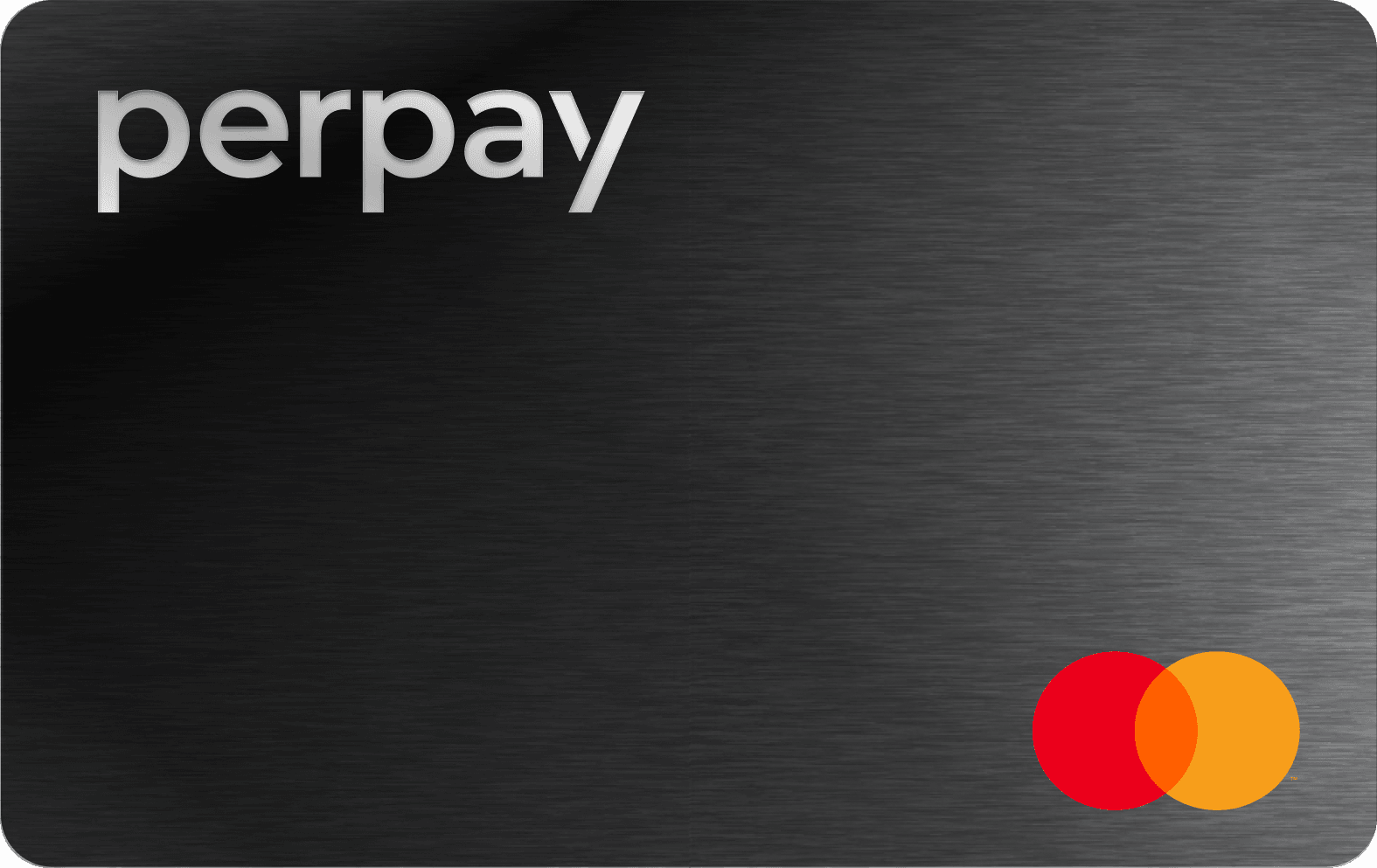
Perpay Credit Card
Meet the only card powered by your paycheck. With automatic transfers from your paycheck, you can manage payments stress-free and build credit with ease.
Fee
$9/month plus $9 account opening fee
APR
Marketplace: 0% / Credit Card: 27.74% to 29.99% depending on your creditworthiness.
Minimum Deposit Amount
$0
Credit Check
No
Cashback
2% reward on purchases made in Perpay Marketplace
Benefit
2% rewards, no security deposit
Arro is a good fit if you want a credit line that grows with you. There is no deposit and no hard credit check, and you start with up to $300 and build toward a $2,500 limit by completing simple in-app tasks. It also earns 1% cash back on gas and groceries, including at Walmart and Target.
Arro Card
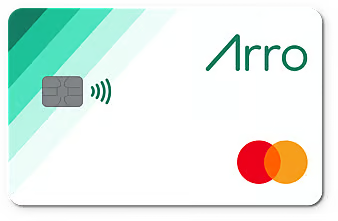
Arro Card
No deposit. No hard credit check. Start with up to $300 and grow your credit line to $2,500 by completing in-app tasks. Earn 1% cash back on gas and groceries — including Walmart and Target.
Standout feature
Unsecured — no deposit required
Fees
up to $60/ year
Pros
1% cash back on gas & groceries
Cons
Starting credit limit: $50–$300
The Destiny® Mastercard® is an unsecured card issued by The Bank of Missouri and serviced by Concora Credit. Unlike a store card, it works anywhere Mastercard is accepted, and it considers applicants with serious credit damage. It reports to Experian, Equifax, and TransUnion every month, and you can see if you pre-qualify with a soft check that does not affect your score, though a full credit report is pulled when you apply.
The costs are steep for the credit line, so read the full terms in our Destiny Credit Card review before applying. As of July 2026, the initial credit limit is $700, with about $525 in available credit after the $175 first-year annual fee. The purchase APR is 35.9%, and in the second year the annual fee drops to $49 but a $12.50 monthly fee kicks in.
Destiny® Mastercard®
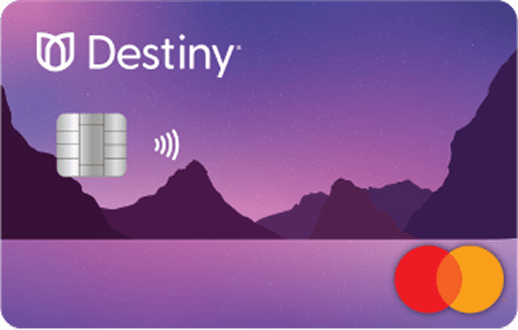
Destiny® Mastercard®
The Destiny® Mastercard® is built for imperfect credit: a full $700 unsecured credit limit if approved, no security deposit, and acceptance everywhere Mastercard works nationwide. Your activity is reported to all three credit bureaus monthly, and seeing if you qualify won't touch your score.
Standout feature
Unsecured — no security deposit required
Fees
Annual Fee: $175 the first year; $49 thereafter. Monthly Fee: $0 the first year (billed $0 each month); $150 annually thereafter (billed $12.50 each month)
Pros
$700 credit limit guaranteed if approved
Cons
High 35.9% APR
The Indigo® Mastercard® rounds out the group. It is issued by Celtic Bank, serviced by Concora Credit, and accepted anywhere Mastercard works, with underwriting that considers applicants with serious credit damage. As of July 2026 the numbers match Destiny's: a $700 initial credit limit, roughly $525 available after the $175 first-year annual fee, a 35.9% purchase APR, and a $49 annual fee with a $12.50 monthly fee from the second year.
It reports monthly to Experian, Equifax, and TransUnion, and you can check pre-qualification with a soft pull before the hard inquiry at application. For a closer look at the fee schedule, see our full Indigo Mastercard review. These fees are high relative to a $700 limit, so treat cards like this as a short-term rebuilding tool: pay in full each month, let the on-time payments build your history, and move to a cheaper card once your score recovers.
Indigo® Mastercard®

Indigo® Mastercard®
The Indigo® Mastercard® is an unsecured card built for rebuilding: no security deposit, a $700 credit limit if approved, and monthly reporting to all three credit bureaus. See if you pre-qualify in minutes with no impact to your credit score.
Standout feature
Unsecured — no deposit, $700 credit limit if approved
Fees
$175 first year, then $49/year + $12.50/month
Pros
Accepts applicants with bankruptcies and serious past credit damage
Cons
$175 first-year fee is charged at opening
Concora Credit also services the Milestone Mastercard, a near-identical card from The Bank of Missouri with the same $700 limit, fees, and APR as Destiny and Indigo. Its one extra is Mastercard ID Theft Protection at no cost. With matching costs, it does not stand out from the two cards above, so compare the fine print before picking it over either one.
Any of these five alternatives can do more for your score than a card tied to one retailer, because they work everywhere and report your payments each month. And if you can't trust yourself not to overspend at your favorite store, it's better to pass on the store card entirely and stick with one of these until you've built a steady payment habit.
Store Card Comparison Chart
Here is a side-by-side look at all 14 store cards, who each one fits best, and how easy approval tends to be.
| Store Card | Best For | Approval Difficulty |
|---|---|---|
| Target RedCard | Target shoppers wanting a store or Mastercard option | Easy |
| Kohl's Card | Coupon lovers and frequent Kohl's shoppers | Easy |
| JCPenney Credit Card | Everyday department store basics | Easy |
| Macy's Credit Card | New credit profiles starting with low limits | Moderate |
| TJX Rewards Card | T.J. Maxx, Marshalls, and HomeGoods regulars | Easy |
| Walmart Credit Card | Big-box and everyday shoppers | Moderate |
| Victoria's Secret Credit Card | Specialty apparel shoppers | Easy |
| Tractor Supply Credit Card | Farm, ranch, and outdoor buyers | Moderate |
| Fingerhut | Very low or rebuilding credit | Easiest |
| Old Navy Credit Card | Gap Inc. brand shoppers | Easy |
| Amazon Store Card | Amazon and Prime shoppers | Easy (secured) |
| Buckle Credit Card | Denim and apparel fans | Easy |
| Woman Within Credit Card | Plus-size apparel shoppers | Easy |
| Eddie Bauer Credit Card | Outdoor and workwear buyers | Easy |
Approval is never guaranteed, and the difficulty column is a general guide based on each issuer's typical underwriting. Always use a store's pre-qualification tool when one is available.
Frequently Asked Questions
What's the easiest department store credit card to get with bad credit? Kohl's, Target RedCard (store version), JCPenney, and TJX Rewards are consistently among the easiest approvals for lower credit scores. Approval is never guaranteed, but these retailers target credit rebuilders with lenient underwriting.
Will a department store card help my credit score? Yes, as long as the issuer reports to the major credit bureaus, which most major store cards do. On-time payments build credit history, and responsible use can raise your score in 3-6 months.
Can I get a department store card with a 550 credit score? Many store cards approve scores in the 550-600 range. Some, like Fingerhut, have even lower thresholds. Use the store's pre-qualification tool (soft pull, no score impact) to check your odds before applying.
Why are interest rates on store cards so high? Store cards target higher-risk borrowers, so the issuer prices in more risk. APRs of 25-35% are common. Always pay your store card balance in full to avoid these rates.
Should I keep a store card after I qualify for a better credit card? Yes, if it has no annual fee. An older account in good standing improves your credit age and lowers overall utilization. Use it for one small purchase each year with autopay to keep it active.
The Bottom Line
Department store cards are one of the easiest approvals for bad credit, but only worth it if you treat them as a credit-building tool. Pick one store you genuinely shop at, pay on time every month, and upgrade to a better card as your score climbs.