
You opened your first credit card, swiped it a few times, and now you are checking your credit app every day waiting for a score to appear. The wait can feel longer than it is. Most new cardholders see their first FICO score in three to six months and a VantageScore even sooner, sometimes within one to two months. The exact timing depends on which scoring model is calculating, when your card issuer reports to the bureaus, and how active you are with the account. Here is what to expect and how to speed it up.
Why FICO Needs Six Months and VantageScore Needs One
FICO requires that at least one account on your credit report be at least six months old before it will generate a score. The clock starts on the account opening date, not when you make your first purchase. So if your card was issued on January 15, the earliest a FICO score can be produced is mid-July, assuming the issuer has reported recent activity to the bureaus.
VantageScore is more generous. It can produce a score from a single account that is at least one month old. That is why many people see a VantageScore in their banking app or on Credit Karma well before a lender-grade FICO appears. Both scores are real, but most credit card and auto lenders pull FICO, so the six-month mark is when your file becomes truly useful for borrowing. To start that clock with a builder-friendly first card, the Self Visa Credit Card reports to all three bureaus from month one and pairs with a credit-builder loan that adds an installment account too.
When Your Card Issuer Reports to the Bureaus
Card issuers send updates to the three credit bureaus, Experian, Equifax, and TransUnion, on a monthly cycle, usually right after your statement closes. That means even if you opened the account on the first of the month, the bureaus may not see it until day 30 or 35. Some issuers report to all three bureaus, others only to one or two, which can cause your scores to appear at different times depending on which bureau a service is reading.
You can check whether the account is reporting yet by pulling a free credit report at AnnualCreditReport.com or by using a free monitoring service. If after 60 days the card still does not show on any report, contact the issuer to confirm they are submitting your account. Errors do happen, and a missed report delays your score by another full cycle.

How Card Activity Affects Score Timing
Merely opening a card is not enough, the bureaus also need usage data to score you. Make at least one small purchase per month and pay it on time so your statement shows a balance and a payment. An account that sits dormant may not generate a useful score even after six months.
Utilization, the percentage of your credit limit you are using, also matters from day one once a score is produced. Keep your reported balance under 30 percent of your limit, and ideally under 10 percent for the best initial score. The reported balance is the amount on your statement, not your real-time balance, so paying down before the statement closes can help your first score come in higher. The Self Visa Credit Card automatically reports your low-utilization activity each month, which gives the bureaus the steady data they need.
Steps to Get Your First Score Faster
Three habits accelerate your timeline. First, use the card every month, even a single $5 purchase keeps the account active in the bureau's eyes. Second, pay on time, every time, payment history is the largest single factor in both FICO and VantageScore. A missed payment in the first six months can erase the score-building benefit entirely.
Third, layer in a second tradeline if your budget allows. A credit-builder loan, a secured card, or being added as an authorized user on a relative's well-managed card all add data to your file faster. The Current Build Card is a strong second account for this purpose: it carries a $0 annual fee, requires no credit check and no minimum deposit, and reports to all three bureaus, so it starts feeding the credit file on day one without raising the bar to qualify.
Current Build Card
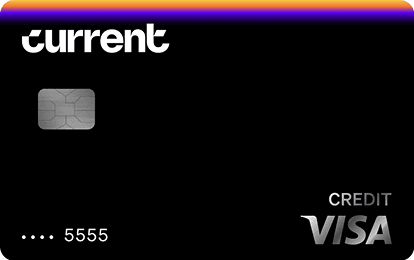
Current Build Card
$0 annual fee. No minimum deposit required. No credit check required. 1 point per dollar on eligible categories. Reports to Experian, TransUnion, Equifax.
Fee
$0
APR
0%
Minimum Deposit Amount
$0
Credit Check
No
Cashback
1 point/dollar on eligible categories (with qualifying payroll deposit)
Benefit
No credit check, no deposit minimum
What Score to Expect at the Six-Month Mark
Most first-time cardholders land somewhere between 640 and 700 on FICO at the six-month mark, assuming they have made on-time payments and kept utilization low. The exact number depends on your starting point, the credit limit on your card, and any other tradelines on your file. A higher credit limit with low utilization tends to produce a stronger initial score than a low limit that is frequently maxed out.
Do not panic if your first score lands lower than expected. Scores typically rise steadily through year one as the account ages and your payment history lengthens. By month 12, on-time users often see scores in the 700s, which opens the door to better cards, lower auto loan rates, and apartment approvals.
Watching the score appear and climb is easier when you have a tool that tracks it for you. Creditship offers free credit monitoring plus concrete advice on what to do next, so you can confirm the moment your first FICO score generates and see exactly which habit is moving the number.
Common Reasons the Score Is Delayed
The most common cause of delay is an issuer that reports late or to only one bureau. Capital One and Discover are reliable monthly reporters to all three, while some smaller fintech cards may report less consistently. If you are checking only your TransUnion score and your card reports to Experian, you will not see the score until you check the right bureau.
Other delays come from disputed accounts, an authorized user setup that did not transmit, or a thin file with no other activity. If six months pass and you still do not have a FICO score, pull all three bureau reports, confirm the card is listed, and check that payments are marked on time. From there, the score should generate on the next monthly update.
Related Reading
- first credit card with no history
- build credit fast
- credit utilization
- what is a good credit score
- hard vs soft inquiry
Frequently Asked Questions
Can I check my credit score before six months are up?
Yes, you can usually see a VantageScore through Credit Karma, your bank app, or a free monitoring service after just one to two months of card activity. A FICO score will not generate until you have at least one account that is six months old and has been reported recently. Both scores are valid, but lenders typically use FICO.
Does opening a credit card hurt my score at first?
A new card application triggers a hard inquiry, which can shave a few points off an existing score. If you have no score yet, the hard inquiry is recorded but it is not enough to delay a future score. Once the account itself starts reporting positive activity, the long-term benefit far outweighs the small initial dip.
Will paying off my card every week speed up the timeline?
Paying frequently does not speed up when a score first appears, but it does help the score come in higher by keeping reported utilization low. Just make sure your card shows at least one statement balance, otherwise the bureau may treat the account as inactive. Pay the statement balance in full each month to avoid interest while still showing usage.
What if my card never shows up on my credit report?
First, confirm the card is reporting by pulling reports from all three bureaus. If it is missing after 60 to 90 days, contact your card issuer's customer service to verify they are submitting account data and that your personal information matches what the bureaus have on file. A name typo or wrong Social Security number can cause an account to fail to attach to your file.




