
Applying for credit online takes about five minutes once you know what to gather. The trick is knowing which products to apply for, in what order, and how to avoid the simple mistakes that cause unnecessary denials. Here is a beginner-friendly walkthrough that protects your score, increases approval odds, and gives you something to do after you hit submit.
Before You Apply: The 10-Minute Prep List
1. Pull your credit reports for free
Go to AnnualCreditReport.com and download all three. Look for two things: errors and surprises. Errors are wrong account info or payment status. Surprises are accounts you do not recognize, which could be identity theft. Dispute anything off before you apply.
2. Check your credit score
You need an accurate score to know which products will approve you. Free options:
- Credit Karma (VantageScore)
- Experian's free app (FICO 8)
- Most major credit card apps offer a free FICO score for cardholders
- Creditship for weekly free monitoring across all three bureaus
Write down the number. A 580 has very different options than a 700.
3. Calculate your debt-to-income ratio
Divide your total monthly debt payments by your gross monthly income. Lenders want under 45% for most products, under 36% for the best rates. If you are over 50%, focus on paying down debt before applying. (Full breakdown: debt-to-income ratio.)
4. Gather your documents
Most online applications ask for:
- Full legal name and date of birth
- Social Security number (or ITIN, see below)
- Address (and previous addresses if recent move)
- Employer name and gross annual income
- Government-issued ID number
- Bank routing and account numbers (for funding deposits)
Keep these in a password manager or written list so you can finish the application in one sitting.
Step 1: Decide What You Are Applying For
The word "credit" covers a lot of products. Match the product to your situation:
- No credit history at all → secured credit card, credit builder loan, or the Current Build Card (no credit check, no SSN).
- Thin file or 580-660 score → starter cards like the Self Visa® Credit Card, OpenSky, or Kikoff Secured Credit Card.
- Score 660-740 → unsecured starter cards from major issuers (Capital One QuicksilverOne, Discover it Cash Back).
- Score 740+ → prime rewards cards or low-rate personal loans.
Applying for a card outside your current range almost guarantees a denial and a wasted hard inquiry. Use prequalification (soft pull) to confirm fit before submitting.
Current Build Card
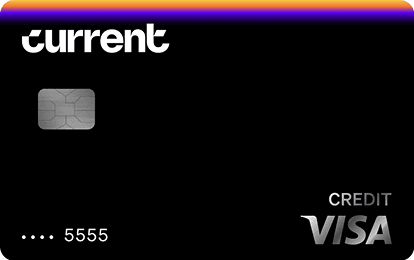
Current Build Card
$0 annual fee. No minimum deposit required. No credit check required. 1 point per dollar on eligible categories. Reports to Experian, TransUnion, Equifax.
Fee
$0
APR
0%
Minimum Deposit Amount
$0
Credit Check
No
Cashback
1 point/dollar on eligible categories (with qualifying payroll deposit)
Benefit
No credit check, no deposit minimum
Step 2: Use Prequalification First
Most major issuers offer a prequalification or pre-approval check that uses a soft pull. Soft pulls do not affect your score and do not appear as inquiries to other lenders. If a card prequalifies you, your odds of approval after the real application are usually 80%+. If a card does not prequalify you, the real application is far more likely to deny you.
For personal loans, marketplaces like MoneyLion and EzLoan shop multiple lenders with one soft pull and present comparable offers.
Step 3: Fill Out the Application Carefully
Mistakes on the application cause more denials than borderline credit profiles do. Avoid:
- Typing your name differently than how it appears on your credit report. Match exactly, including middle initial.
- Inflating your income. Lenders verify it. Stating $80K when you make $50K is fraud.
- Listing a P.O. box as your residential address. Most lenders require a physical address.
- Skipping the housing question (own / rent / live with family). It is required.
- Using a phone number tied to a different name in identity-verification databases.
Double-check every field before hitting submit. Some applications time out and force a restart.
Step 4: Hit Submit, Then Wait
The response usually appears in 30 seconds to 60 seconds, although some applications go to manual review and take 7 to 14 days. Three possible outcomes:
- Approved instantly: the credit limit and APR are on the screen. Save the screenshot.
- Pending manual review: you will get a decision by mail or email. Do not reapply during this time.
- Denied: you have the right to a free "adverse action notice" explaining the denial. Read it carefully.
Step 5: Read the Adverse Action Notice (If Denied)
Under federal law, the lender must provide specific reasons for any denial. Common reasons:
- Insufficient credit history
- High utilization on existing accounts
- Recent missed payments or delinquencies
- Too many recent applications
- Debt-to-income ratio too high
- Income below the lender's threshold
This notice is gold. It tells you exactly which factor to fix before you reapply.
If you believe the denial was based on an error, you can dispute the underlying credit report items at AnnualCreditReport.com. For larger reporting issues, services like Dovly and Lexington Law handle the dispute paperwork.
Step 6: Use Your New Credit Wisely
If you are approved, the first 90 days set the tone for the rest of the relationship. The four habits that matter most:
- Pay before the statement closes, not the due date. Lower reported balances mean lower utilization.
- Charge a small recurring bill and pay it in full. Activity matters; carrying a balance does not help build credit.
- Set up auto-pay for at least the minimum. A single missed payment can drop your score 50+ points.
- Do not max the card. Even one cycle of high utilization can dent your score.
Apply for Credit Online Without an SSN
Non-residents, international students, and recent immigrants can apply for some products with an ITIN instead of an SSN. The Current Build Card is the most accessible option (no credit check, no SSN required to start). TheITIN.com helps with the ITIN application itself if you do not have one yet.
Frequently Asked Questions
How long does an online credit application take?
Most applications take 5 to 10 minutes to fill out. Decisions are usually instant for credit cards and within minutes for personal loans. Some applications go to manual review, which can take 7 to 14 days.
Will I get a hard inquiry for applying online?
Most real applications use a hard pull. Prequalification screens use a soft pull, which does not affect your score. Always check for prequalification before submitting a real application.
How many times can I apply for credit online without hurting my score?
Each hard inquiry costs about 5 points and stays on your report for 2 years. Most lenders see 1-2 inquiries per 6 months as normal. 3+ in a short window starts to look risky and can cause denials.
What happens if I apply for credit and get denied?
The lender must send you an adverse action notice explaining why. The hard inquiry is still on your report whether you were approved or not. Read the denial reason, fix the underlying issue, and wait at least 6 months before reapplying for the same product.




