
If you have no credit history and Google sends you to pre-approved credit card pages, the wording can be misleading. Pre-approved does not mean approved. It means a soft credit pull suggests you might qualify, and you still have to apply. For someone with no credit, the difference between pre-approval and actual approval matters because most pre-approval tools work best on people who already have a file. This guide explains how pre-approval really works and which cards offer the highest approval odds for no-credit applicants.
What Pre-Approval Actually Means
Pre-approval is a marketing tool, not a contract. The issuer runs a soft inquiry against your name and basic info, then says you look like a likely customer. Soft inquiries do not affect your credit score, so checking pre-approval is risk-free in terms of your file. The catch is that the formal application uses a hard inquiry and can still come back with a denial.
For people with no credit, pre-approval tools often return nothing because the issuer has no file to evaluate. That is normal and not a sign of bad credit. The surest path is to apply for cards built for thin or no-credit files. The Self Visa Credit Card is one of the most predictable approval paths because it is funded by your existing Self Credit Builder Account savings.
Pre-Qualification Versus Pre-Approval
The terms get mixed up, but they mean roughly the same thing. Pre-qualification usually starts with you submitting your info to check eligibility. Pre-approval often starts with the issuer reaching out to you based on a marketing list. Both use soft pulls, and neither guarantees approval.
The useful version of either tool is the issuer pre-qualification page. Capital One, Discover, and a few others let you enter your name, address, and Social Security number, then run a soft pull and tell you if you would likely qualify. The result still is not a guarantee, but it is a much better signal than a generic pre-approval mailer.

Starter Cards Built for No-Credit Applicants
If the issuer pre-qualification tools come back empty, an unsecured starter card built for thin files is often the better first move. The Aspire Mastercard is designed for applicants who are early in their credit journey and want a real revolving line rather than a deposit-backed card. It reports to the major bureaus, so on-time use starts building history right away while you wait for mainstream issuers to recognize your file.
Aspire® Cash Back Rewards Mastercard
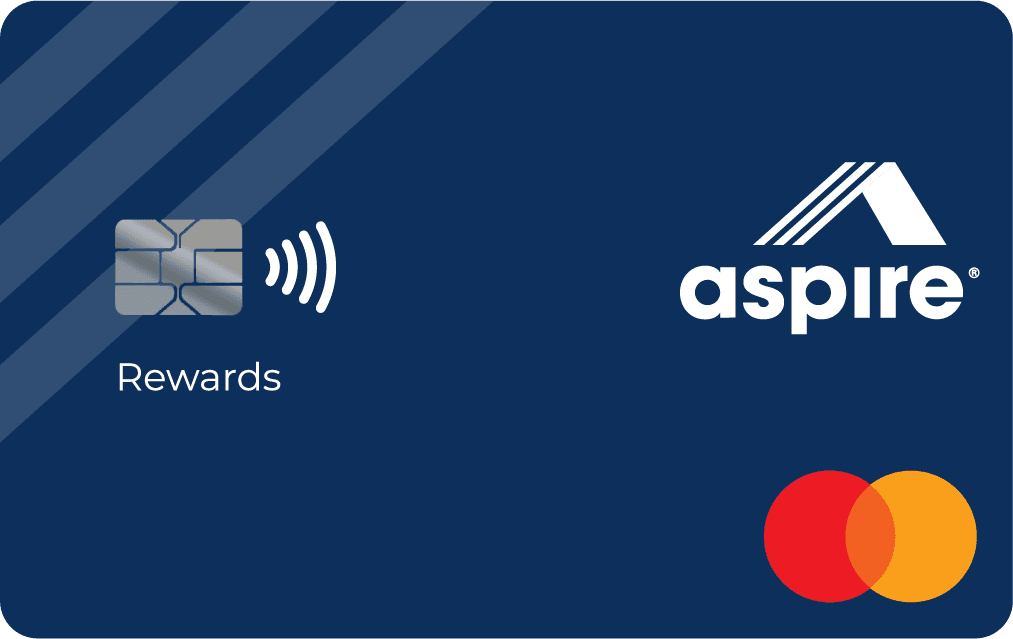
Aspire® Cash Back Rewards Mastercard
Aspire® Cash Back Rewards Mastercard. Prequalify* For Up To $1000 Credit Limit. No security deposit. Packed with great benefits, it’s designed to give you more flexibility—and purchasing power—along with up to 3% cash back rewards!** Good anywhere Mastercard is accepted, it’s the go-to card for any lifestyle.
Standout feature
Up to 3% cashback rewards**
Fees
$85–$175 first year, $229 thereafter (maintenance fees already included)
Pros
No Deposit Required. Prequalify* for up to $1000 credit limit
Cons
High APR, 36% Fixed.
Another no-credit-friendly option is the Current Build Card. It requires no traditional credit check and no minimum security deposit to get started, which removes the two biggest barriers most no-credit applicants run into. Because it reports your payment activity to all three bureaus, it works as a low-friction way to open your first tradeline and graduate toward the cards that pre-approval tools actually return offers on.
Current Build Card
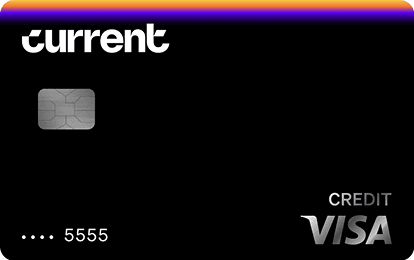
Current Build Card
$0 annual fee. No minimum deposit required. No credit check required. 1 point per dollar on eligible categories. Reports to Experian, TransUnion, Equifax.
Fee
$0
APR
0%
Minimum Deposit Amount
$0
Credit Check
No
Cashback
1 point/dollar on eligible categories (with qualifying payroll deposit)
Benefit
No credit check, no deposit minimum
Cards With High Odds for No-Credit Applicants
A handful of issuers run programs designed for thin or no-credit files. The Capital One Platinum Credit Card has a pre-qualification tool that often returns approvals for limited credit. The Discover it Secured Credit Card requires a refundable security deposit and reports to all three bureaus. The Self Visa graduates Self Credit Builder Account customers into a card without a separate cash security deposit.
For true no-credit applicants, secured cards are the safest bet because the deposit lowers the issuer's risk. Approval is not guaranteed even on secured cards, but the odds are far higher than on a standard unsecured card. Terms apply on every product.
How to Use Pre-Qualification the Right Way
Pre-qualification works best when you treat it as a filter, not a finish line. The order of operations: check pre-qualification at three or four issuer sites, see which ones return a likely-approved signal, then apply for the strongest one. Avoid running formal applications on every card, since each one is a hard inquiry that drops your score 5 to 10 points.
If no pre-qualification tool returns a result, that is your cue to start with a secured card or credit-builder product instead of chasing unsecured cards. Once you build six months of on-time history, the pre-qualification tools will begin returning offers on better cards.
What to Watch Out For
The pre-approved space attracts predatory products. Watch for cards with annual fees over 75 dollars, monthly maintenance fees, processing fees added before the credit limit is even available, and APRs above 30 percent. Some subprime cards layer four or five fees that effectively swallow the entire credit limit in the first month.
Also watch for credit cards that only report to one bureau or use proprietary scoring instead of FICO. The whole reason to open a card is to build score, so a card that does not report to all three bureaus is a poor fit. Stick with established issuers and credit-builder products with transparent fee structures.
Where Firstcard Fits
Firstcard helps no-credit and thin-file borrowers compare cards built for their situation, with clear fee breakdowns and approval odds at each issuer. Our matching tool flags cards that approve no-credit applicants and warns about high fees so you do not waste a hard inquiry on a card built to deny you. APRs vary by creditworthiness and terms apply.
How Long Until You Qualify for Better Cards
Most no-credit applicants who open a starter or secured card and pay on time can move into mainstream unsecured cards within 9 to 12 months. The score milestone to watch for is 670 FICO, which is the threshold for most cash-back rewards cards. Keep utilization under 10 percent before each statement closes, and avoid stacking new applications.
Related Reading
- first credit card with no history
- build credit with no history
- hard vs soft inquiry
- Self Visa review
Frequently Asked Questions
Does pre-approval guarantee I will get a credit card?
No. Pre-approval is a soft-pull signal that you might qualify, not a binding offer. The formal application uses a hard inquiry and can still come back denied if your income, debt, or other factors do not meet the issuer's full criteria.
Can I get pre-approved for a credit card with no credit history?
Usually no, because pre-approval tools rely on your existing credit file. With no file, most issuer pre-qualification tools will return no result. The better path is to apply directly for a secured or credit-builder card built for no-credit applicants.
Does pre-qualification hurt my credit score?
No. Pre-qualification uses a soft inquiry, which does not affect your credit score. You can run pre-qualification on multiple issuers without any score impact. Only the formal application after pre-qualification triggers a hard inquiry.
What is the easiest credit card to get with no credit?
Secured cards and credit-builder cards have the highest approval odds for no-credit applicants. The Self Visa Credit Card, Capital One Platinum Secured, and Discover it Secured are common picks. Approval is not guaranteed and depends on income and other factors.



