
If you are searching for travel cards for fair credit, you have probably already been told no by a few major issuers. Premium travel rewards cards usually require a FICO score of 670 or higher, sometimes 720+. With a fair credit score (580 to 669), your real path is a little different.
The good news is that you can still earn rewards, build your score, and graduate into a real travel card within 6 to 12 months. Below are the best picks for getting there.
Our Top Picks
Most fair-credit users will do better with a credit-builder card that pairs reporting and rewards, then upgrade once their score crosses 670. Here are five solid options.
- Current Build Card: no annual fee, 1 point per $1 on dining and groceries. Reports to all three bureaus and earns rewards redeemable for travel through the Current app. Best for: users who want a modern banking app and travel-friendly rewards while building credit.
- Self Visa Credit Card: low security deposit, reports to all three bureaus. Pair with a Self Credit Builder Account to grow score faster. Best for: thin-file users who want a clear path to a real travel card later.
- OpenSky Secured Visa: no credit check to apply, $35 annual fee. No rewards, but very forgiving approval and reports to all three bureaus. Best for: applicants who have been declined elsewhere or have no credit history at all.
- Capital One QuicksilverOne: $39 annual fee, 1.5% cash back on every purchase. A traditional unsecured card built for fair credit. Best for: borrowers with a 600+ score who want flat-rate rewards on travel and everyday spend.
- Discover it Secured: no annual fee, 2% on gas and dining up to a quarterly cap. Reports to all three bureaus, may upgrade to an unsecured card after responsible use. Best for: users who want strong rotating rewards and a clear graduation path.

The Current Build Card in Focus
Of the picks above, the Current Build Card is the standout for fair-credit travelers because it reports to all three bureaus while earning points on dining and groceries that redeem for travel inside the Current app. With no annual fee and no traditional security deposit to lock up, it lets you build score and bank rewards for a future trip at the same time.
Current Build Card
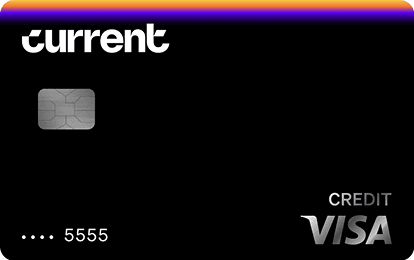
Current Build Card
$0 annual fee. No minimum deposit required. No credit check required. 1 point per dollar on eligible categories. Reports to Experian, TransUnion, Equifax.
Fee
$0
APR
0%
Minimum Deposit Amount
$0
Credit Check
No
Cashback
1 point/dollar on eligible categories (with qualifying payroll deposit)
Benefit
No credit check, no deposit minimum
An Unsecured Option as You Approach Good Credit
If you are nearer the top of the fair-credit range and would rather skip a deposit, the Aspire Mastercard is an unsecured card built for fair-credit applicants. It gives you a real revolving line that reports your on-time payments while you work toward the 670-plus score a true travel card expects, making it a useful bridge before you graduate.
Aspire® Cash Back Rewards Mastercard

Aspire® Cash Back Rewards Mastercard
Aspire® Cash Back Rewards Mastercard. Prequalify* For Up To $1000 Credit Limit. No security deposit. Packed with great benefits, it’s designed to give you more flexibility—and purchasing power—along with up to 3% cash back rewards!** Good anywhere Mastercard is accepted, it’s the go-to card for any lifestyle.
Standout feature
Up to 3% cashback rewards
Fees
$49 to $175; after that $0 to $49 annually; - $60 to $159 annually billed at $5 to $12.50 per month after the first year.
Pros
No Deposit Required. Prequalify for up to $1000 credit limit
Cons
High APR. 25.74% to 36%, based on your creditworthiness.
APRs vary by creditworthiness. Terms and conditions apply.
What Counts as Fair Credit?
Fair credit usually means a FICO score between 580 and 669. Roughly 17% of US adults sit in this range. Lenders see fair-credit borrowers as moderate risk, which means approval is possible, but premium offers are not.
Within that range, your odds shift fast. A 660 score may unlock a Capital One travel card or a Discover student card, while a 590 score usually requires secured options. Knowing your exact number, plus your three reports, helps you target the right card.
Why Most Travel Cards Need Higher Scores
Top travel cards like the Chase Sapphire Preferred or Capital One Venture target prime borrowers. Sign-up bonuses worth $750 to $1,200 are expensive for issuers to fund, so they reserve those offers for low-risk customers.
Issuers also weigh income, debt-to-income ratio, and how many new accounts you have opened recently. Even if your score crosses 670, getting denied for a travel card is common if your file is thin or you opened several cards in the last 12 months.
This is why many fair-credit users get the best travel value by using a credit-builder card now, then applying for a travel card after 6 to 12 months of clean activity.
How Credit-Builder Cards Earn Travel Rewards
Some credit-builder cards do offer rewards that may translate into travel value. The Current Build Card earns 1 point per $1 on dining and groceries through Current's rewards program, which can be redeemed for travel through partners.
Discover it Secured offers 2% cash back at gas stations and restaurants on up to $1,000 in combined purchases each quarter, plus 1% on everything else. Discover also matches all the cash back you earn during your first year, which is a quiet but powerful bonus.
These are not premium rewards. You will not earn 5x on flights or get airport lounge access. But $200 to $400 in annual rewards on a card that also lifts your score is a strong starting point.
How to Use a Credit-Builder Card to Graduate
A clear plan can move you from fair to good credit in less than a year. Three habits matter most.
First, keep your utilization low. Aim for under 30% of your limit, and ideally under 10%. On a card with a $300 limit, that means keeping the balance under $30 when the statement closes.
Second, pay on time, every time. Payment history is 35% of your FICO score. Set autopay for at least the minimum, then pay the full balance manually each month.
Third, give the card 6 to 12 months before you apply for a true travel card. By then, your score may have moved into the 670 to 720 range, which opens up Capital One Venture One, Wells Fargo Autograph, and many co-branded airline and hotel cards. Trans-Atlantic flyers in particular should bookmark our guide to the best credit card for Avios points, since transferring Chase Ultimate Rewards or Amex Membership Rewards into the British Airways Avios program is one of the strongest first-redemption moves on a fresh travel card.
Travel Cards for Fair Credit Borrowers Closer to 660
If you are already near the top of the fair-credit range, you have a few traditional options that may approve you directly.
The Capital One QuicksilverOne earns 1.5% on everything, no foreign transaction fee, and is designed for fair credit. The $39 annual fee is small if you spend $3,000 or more per year on the card.
The Discover it Secured graduates to an unsecured card after responsible use, often within 7 months. After graduation, you keep the rotating bonus categories, which can include travel-friendly spend.
For an airline-specific option, some entry-level co-branded cards like the Delta SkyMiles Blue or AAdvantage Mile-Up sometimes approve fair-credit applicants near 670, especially with a strong income.
Realistic Timeline to a Real Travel Card
Most users move from fair to good credit in 6 to 12 months with consistent habits. Here is a rough timeline:
- Months 1 to 3: open a credit-builder card, set autopay, keep utilization under 10%.
- Months 4 to 6: add a second tradeline if needed, like a Self Credit Builder Account, monitor reports.
- Months 7 to 9: review score and try a soft prequalification for a fair-to-good travel card.
- Months 10 to 12: apply for your first real travel card if your score is 670 or higher.
Patience pays. Applying too early may lead to a hard inquiry and a denial, both of which can slow your progress.
Related Reading
- Best credit cards to build credit
- What is a good credit score
- Credit score ranges
- Improve your credit score
- Build credit fast
Frequently Asked Questions
Can I get a travel credit card with a 600 FICO?
It is possible but rare. Most travel cards prefer 670 or higher. With a 600 score, focus on a credit-builder card that earns some rewards, then apply for a travel card once your score crosses 670. APRs vary by creditworthiness.
Do secured cards earn travel rewards?
Some do. The Discover it Secured earns 2% on gas and dining and a first-year match. Most other secured cards offer no rewards. Always check the rewards program before you apply if travel earnings matter to you.
How long does it take to qualify for a real travel card?
Most fair-credit users move into the good-credit range in 6 to 12 months. The exact time depends on your starting score, utilization, and whether you have any negative marks. Adding tradelines and paying on time may speed things up.
Will applying for a travel card hurt my credit?
A new application creates a hard inquiry, which can lower your score by a few points for several months. If you get approved and use the card responsibly, the long-term score impact is usually positive. Apply only when prequalification suggests good odds.




