Updated October 2026
Arriving in the United States with strong financial habits from your home country means little to American lenders. U.S. credit bureaus don't recognize international credit histories, which means even the most financially responsible immigrants often start with no credit score at all.
The good news: building U.S. credit is entirely possible, even without a Social Security Number. This guide covers every step immigrants can take to establish credit safely and effectively.
Why U.S. Credit Matters for Immigrants
Your credit score affects almost every major financial decision you'll make in the U.S. Without a good score, immigrants often face:
- Higher security deposits on apartments (or outright rejection)
- Higher interest rates on car loans and personal loans
- Difficulty getting approved for credit cards
- Limited access to cell phone plans without prepayment
- Higher car insurance premiums in states that factor in credit
A strong score helps you rent an apartment without a co-signer and qualify for competitive loan rates.
The Unique Challenge: No U.S. Credit History
Credit bureaus in the U.S. (Equifax, Experian, and TransUnion) operate entirely separately from foreign credit agencies. Your credit score from another country, no matter how excellent, does not transfer.
Additionally, many traditional banks and credit card issuers require a Social Security Number (SSN) to apply. This creates a barrier for immigrants who arrived recently and may not yet be eligible for an SSN.
Step 1: Get an ITIN If You Don't Have an SSN
An Individual Taxpayer Identification Number (ITIN) is issued by the IRS to people who need to file U.S. taxes but are not eligible for an SSN. Anyone can get an ITIN regardless of immigration status, and it opens access to many financial services. Getting an ITIN typically takes 7–11 weeks through the standard IRS process, but TheITIN.com lets you apply entirely online, which can help you start building credit sooner.
Once you have an ITIN, some credit unions and select credit builder platforms accept it in place of an SSN. Learn more about how to get an ITIN and then explore how to build credit with an ITIN number.
TheITIN.com

TheITIN.com
No SSN? No problem. TheITIN.com makes getting your U.S. tax ID (ITIN) fast and painless, 100% online. Perfect for people who need to start building credit, file taxes, or open bank accounts in America.
Standout feature
100% online ITIN application. No hidden fees. Trusted by thousands with 4.8★ on Trustpilot.
Fees
Starting at $497
Pros
Fast, fully online process. Highly rated customer support (4.8★ Trustpilot). Transparent pricing with no hidden fees.
Cons
Processing time depends on IRS (can take up to 14 weeks).
Step 2: Open a Secured Credit Card
A secured credit card is typically the first credit product available to someone with no U.S. credit history. You provide a refundable deposit (often $50–$500), which becomes your credit limit. Every month, your payment activity is reported to the credit bureaus, building your credit history over time.
The best credit cards for immigrants often have these features: no SSN required, no credit check, reports to all three bureaus, and low or no annual fees.
Newcomers who already have an SSN can also compare the Current Build Card. It fits someone with no U.S. credit score because it has no credit check, no annual fee, and no minimum deposit, and it reports payments to all three bureaus. As of October 2026, you need a Current account to apply (Current requires an SSN to open one), and you pay the balance in full each month.
Current Build Card
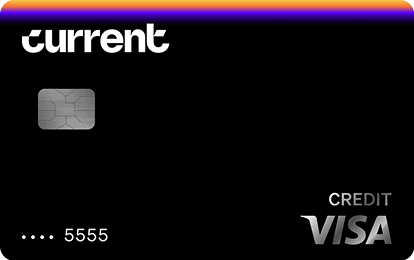
Current Build Card
$0 annual fee. No minimum deposit required. No credit check required. 1 point per dollar on eligible categories. Reports to Experian, TransUnion, Equifax.
Fee
$0
APR
0%
Minimum Deposit Amount
$0
Credit Check
No
Cashback
1 point/dollar on eligible categories (with qualifying payroll deposit)
Benefit
No credit check, no deposit minimum
Step 3: Become an Authorized User
If you have a trusted friend or family member in the U.S. with a well-managed credit card, ask if they'll add you as an authorized user on their account. You don't need to use the card. Just being listed can add a positive tradeline to your credit report.
This is one of the fastest ways to build credit because you inherit some of the account's history. Make sure the primary cardholder has on-time payments and a low utilization rate before accepting.
Step 4: Use Credit-Building Apps and Rent Reporting
Several apps help immigrants build credit by reporting alternative data, meaning payments that wouldn't otherwise appear on a credit report:
- Rent payments: Services like Self Rent Reporting report your monthly rent to the bureaus. If you're paying rent on time, you should be getting credit for it.
- Utility and subscription payments: Experian Boost lets you add utility, phone, and streaming payments to your Experian credit file at no cost.
These methods are especially useful when you're starting with no credit history and need to add positive data quickly.
Self.Inc: Rent & Utility Reporting

Self.Inc: Rent & Utility Reporting
We’ll report those on-time rent and phone payments for you each month to the credit bureaus for FREE.
Standout feature
Free Rent Reporting
Fees
$0
Pros
Completely Free for Rent Reporting
Cons
Requires bank account linking
Step 5: Take Out a Credit Builder Loan
A credit builder loan is designed specifically for people starting from scratch. Unlike a regular loan, you don't receive the money upfront. Instead, the funds sit in a secured account while you make monthly payments, which are reported to the bureaus. When the loan is paid off, you receive the savings.
Options like Self and certain credit unions offer credit builder loans with no hard credit pull. As of October 2026, Self's plans start at $25 a month for 24 months at 15.51% to 15.92% APR, and every payment is reported to all three bureaus. They can add installment credit alongside your credit card.

Step 6: Monitor Your Credit Score Regularly
Once you start building credit, track your progress consistently. You can:
- Check your report for free weekly at AnnualCreditReport.com
- Use a free credit monitoring app to track changes in real time
- Set up alerts through your credit card issuer
Monitoring helps you catch errors early, such as a file mixed up with someone who has a similar name, and shows when you're ready to apply for more credit.
Step 7: Avoid These Common Mistakes
- Don't apply for multiple cards at once. Each application triggers a hard inquiry that temporarily lowers your score. Space applications at least 6 months apart.
- Don't carry a balance. Pay your credit card in full every month to avoid interest charges and keep your utilization low.
- Don't miss payments. Payment history is 35% of your FICO score. One 30-day late mark can set you back months.
- Don't close your first account. The age of your accounts matters, so keep your first card open even after you add more.
How Long Does It Take to Build Credit as an Immigrant?
- 3–6 months: You'll get your first credit score after this much activity
- 6–12 months: Expect a fair score (580–669) with consistent on-time payments
- 12–24 months: Good credit range (670–739) becomes achievable
- 24+ months: Excellent credit (740+) is within reach
Frequently Asked Questions
Can immigrants build credit without a Social Security Number?
Yes. Some credit builder platforms and many credit unions accept an ITIN, passport, or visa instead of an SSN. The key is finding lenders that have flexible identification requirements.
Does my foreign credit score transfer to the U.S.?
No. U.S. credit bureaus only track U.S. credit history. However, some programs like Nova Credit can translate foreign credit histories from select countries, which certain lenders may accept during the application process.
How much does a secured credit card deposit cost?
Most secured cards require a deposit between $50 and $500. This becomes your credit limit and is fully refundable when you close the account or upgrade to an unsecured card. Some credit builder cards skip the deposit entirely, as covered in our Ava credit builder review.
Can an international student build credit in the U.S.?
Yes. International students on F-1, J-1, or other student visas are eligible for ITINs and can use credit builder platforms that accept non-SSN identification. Many also qualify for student credit cards from major banks once they've been in the country for a few months.
How do I dispute an error on my credit report as an immigrant?
The process is the same for everyone: file a dispute directly with the bureau (Equifax, Experian, or TransUnion) online, by mail, or by phone. Include documentation showing the error. The bureau must investigate within 30 days. Our guide on how to dispute errors on your credit report walks through each step.
The Bottom Line
Building credit as an immigrant takes time, but the path is clear: get an ITIN, open a secured card with a bureau-reporting issuer, pay on time every month, and add rent and utility payments to your file. With consistent habits, you can build a strong credit score within 12–24 months.

Madison Fawcett is a former Marketing Manager at Firstcard. Before Firstcard, she worked at Premise, where she started in influencer marketing and later moved into marketing and recruiting roles. She holds a B.S. in Business Administration with a concentration in Marketing from California Polytechnic State University, San Luis Obispo. Full profile and latest articles →