
Updated April 2026 — This article has been reviewed and updated with the latest information.
Getting approved for a credit card with bad credit seems impossible, but it's not. Thousands of people with low scores get approved every year by using the right strategy. The key is knowing which cards accept bad credit and how to position yourself as a lower-risk borrower. Here's exactly how to get a credit card when your score is working against you.
Why Getting a Card With Bad Credit Is Harder
Credit card companies make money from interest and fees, so they're careful about who they lend to. A low credit score ranges signals past financial trouble, which makes lenders nervous. Most premium cards require scores of 670+, but plenty of cards accept scores below 600.
The challenge is that bad credit cards come with tradeoffs: higher interest rates, annual fees, or lower credit limits. These fees aren't fun, but they're the price of access when you're rebuilding. The benefit is that responsible use builds your credit quickly, within 6-12 months, you can improve enough to qualify for better cards. If you're hoping to land a larger line, our guide to credit cards with $5,000 limits for bad credit explains what's realistic and how to step up to that range.
Use a Secured Credit Card to Build Credit Safely
A secured credit card is your best option if you have bad credit. You put down a cash deposit (usually $200-$2,500), and that becomes your credit limit. You then use the card like a normal credit card, and your payments get reported to credit bureaus.
The beauty of secured cards is that lenders approve almost anyone, the deposit guarantees they won't lose money. After 6-18 months of on-time payments, many secured card issuers automatically upgrade you to an unsecured card and return your deposit. Some people build their score from 550 to 700+ in two years using secured cards.
What If You Have No Income or No Job?
A bad-credit score plus no income shrinks your card list, but doesn't eliminate it. Issuers consider any income you can document: a part-time gig, allowance, scholarship stipend, or a household income figure if you're 21+. See our walkthroughs on credit cards with no income and getting a credit card without a job. A cosigner can also unlock approval if a family member is willing.
Consider a Credit Builder Loan Alternative
A credit builder loan is different from a credit card but equally effective for bad credit. You borrow a small amount ($300-$3,000), but the money sits in a savings account you can't touch. You make monthly payments, and after you finish, you get the money back.
Credit builder loans have huge advantages: no interest charges, no credit check required to qualify, and faster credit building. They're perfect if you want to avoid credit card fees entirely. Many people use both a credit builder card and a credit builder loan together to build faster. If you need a larger lump sum while your score is still in the low 500s, review what personal loans for a 500 credit score actually cost before committing. And before you sign anything advertised as "no credit check," read our no-credit-check loans guide — some of those products are predatory.
Bad Credit Credit Cards: What to Expect
If you want a traditional credit card with bad credit, look for cards specifically designed for this market. These cards have higher APR (typically 25-36%), annual fees ($25-$175), and lower limits. They're not ideal, but they work.
One standout unsecured option is the Aspire® Cash Back Rewards Mastercard, which accepts applicants with FICO scores as low as 300, requires no security deposit, and pays 3% cash back on gas, groceries, and utilities. It's one of the few bad-credit unsecured cards with real rewards. Year 1 annual fee is $85–$175, and from year two onward fees can total up to $229/year. The APR is fixed at 29.99%–36.00%, so pay in full each month. Terms and conditions apply.
Some cards also offer special options for immigrants or international students who don't have a U.S. credit history. Read the terms carefully, some cards charge application fees or require deposits. The goal is finding a card where the annual fee is worth the credit-building benefits.
Check Your Credit Report for Errors
Before applying for any card, pull your credit report at AnnualCreditReport.com (free annually). Look for mistakes that might be tanking your score. Errors are surprisingly common, accounts that aren't yours, wrong dates, incorrect balances, or duplicate entries.
If you find errors, dispute them with the credit bureau. Many people have raised their scores by 50+ points just by fixing reporting mistakes. This takes 30-60 days but costs nothing. It's worth doing before you apply for cards, since your application will trigger a hard inquiry that temporarily lowers your score.
Apply Strategically to Maximize Approval Odds
Each application triggers a hard inquiry that lowers your score slightly. Space out applications by at least 30 days so the impact doesn't stack. Research card approval odds first, some card issuers publish approval odds by credit score range, so you know your chances before applying.
Apply for the card most likely to approve you first. If you get approved, that approval actually helps your next application because it shows you can manage credit responsibly. If you get denied, wait before trying again.
Aspire® Cash Back Rewards Mastercard
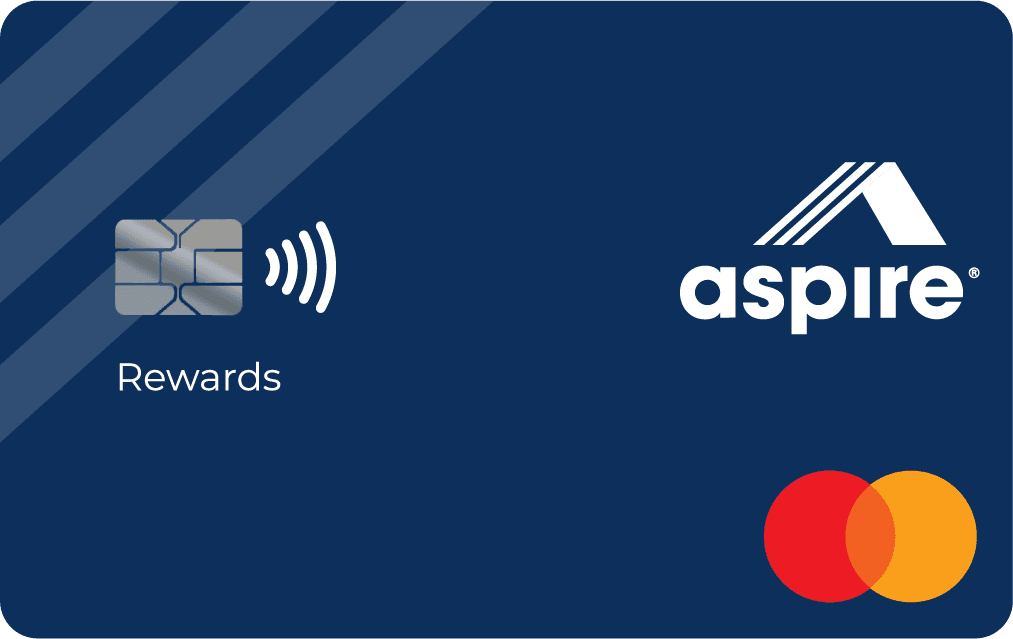
Aspire® Cash Back Rewards Mastercard
Aspire® Cash Back Rewards Mastercard. Prequalify* For Up To $1000 Credit Limit. No security deposit. Packed with great benefits, it’s designed to give you more flexibility—and purchasing power—along with up to 3% cash back rewards!** Good anywhere Mastercard is accepted, it’s the go-to card for any lifestyle.
Standout feature
Up to 3% cashback rewards**
Fees
$85–$175 first year, $229 thereafter (maintenance fees already included)
Pros
No Deposit Required. Prequalify* for up to $1000 credit limit
Cons
High APR, 36% Fixed.

Build Beyond Your First Card
Once you get your first card with bad credit, treat it like a credit-building tool, not a shopping tool. Keep your credit utilization ratio under 10%, if your limit is $500, charge no more than $50 per month. Make all payments on time, without exception.
After 6-12 months of perfect payments, request a credit limit increase (doesn't require a hard inquiry) or apply for a second card. This diversifies your credit mix and lowers your utilization ratio even more. Keep old accounts open forever, closing accounts hurts your score.
For ongoing monitoring and personalized advice on building your credit after getting approved, use Creditship.ai for free credit monitoring and concrete guidance.
Bad Credit and Big Decisions
Building credit isn't only about cards — your score also gates housing and homeownership. If you're trying to rent, see what landlords are actually looking for in our credit score minimum to rent an apartment guide. If you're farther along and eyeing a house, our first-time home buyer with a 600 credit score walkthrough covers FHA paths and what realistic loan terms look like. And if you're not sure a personal loan even makes sense yet, can you get a loan with no credit? lays out the alternatives.
FAQ
Can I get a credit card with a 500 credit score?
Yes. A secured credit card will approve you with almost any score if you have a deposit. The Aspire® Cash Back Rewards Mastercard is also an unsecured option that accepts bad credit (300+ FICO) without any deposit required.
How much will a new credit card application hurt my score?
A hard inquiry typically lowers your score by 5-10 points. The impact fades within 3-6 months, and the benefit of a new account usually outweighs the temporary hit.
Should I get a secured card or credit builder loan first?
Start with whichever you can afford. A credit builder loan requires monthly payments but no deposit. A secured card requires an upfront deposit but might have annual fees. Many people do both for faster building.
How long until I can get approved for a regular credit card?
After 6-12 months of perfect payments on a secured card, you can usually graduate to regular cards. Some lenders offer unsecured approval after just 6 months.
What if I keep getting denied?
Check your credit report for errors. Consider a credit builder loan instead if credit cards keep denying you. You can also look for cards that don't require an SSN if you're an international student or immigrant.
Start Your Credit Rebuilding Journey Today
Getting a credit card with bad credit is possible. Start with a secured card or credit builder loan and commit to responsible use. Use Firstcard to monitor your progress as your score climbs, and celebrate each milestone along the way.



