A secured credit card is a great starting point for building credit, but it's not meant to be a forever card. At some point, you'll want to upgrade to an unsecured card that doesn't require a deposit and offers better perks.
Here's how to know when you're ready to make the switch.
What's the Difference Between Secured and Unsecured?
Understanding the distinction between secured vs unsecured credit cards is crucial for your credit journey. A secured credit card requires a cash deposit that acts as your credit limit. If you put down $300, your limit is $300. An unsecured card doesn't require a deposit. Instead, the issuer extends credit based on your creditworthiness.
Unsecured cards typically offer higher credit limits, better rewards, and more benefits. But they also require a stronger credit profile to qualify.
Signs You're Ready to Switch
Your credit score is 650 or higher. Most unsecured cards for people building credit require a score within the credit score ranges of 640 to 670. If you've been using your secured card responsibly for several months, you may already be in this range.
You've had your secured card for at least 12 months. Most issuers recommend keeping a secured card for a minimum of one year before requesting an upgrade. This gives you enough time to build credit with a credit card and establish a solid payment history.
You've never missed a payment. On-time payments are the most important factor in your credit score. If you've paid every bill on time since getting your secured card, you're in a strong position to upgrade.
Your credit utilization is consistently low. Managing your credit utilization is essential — if you've been keeping your balance below 30% of your credit limit (ideally below 10%), that's a good sign you're managing credit responsibly.
You're receiving pre-qualified offers. If you're getting mail or emails about unsecured card offers, that's a strong signal that issuers think you qualify.
If you haven't hit these milestones yet, products like the Self Visa secured card or Kikoff credit account can help you build toward them faster. Read our Self review and Kikoff review to compare options.
Once you're ready to make the switch, the Aspire® Cash Back Rewards Mastercard is one of the best first unsecured cards for bad-to-fair credit. It requires no deposit, accepts FICO scores as low as 300, and pays 3% cash back on gas, groceries, and utilities.
Aspire® Cash Back Rewards Mastercard
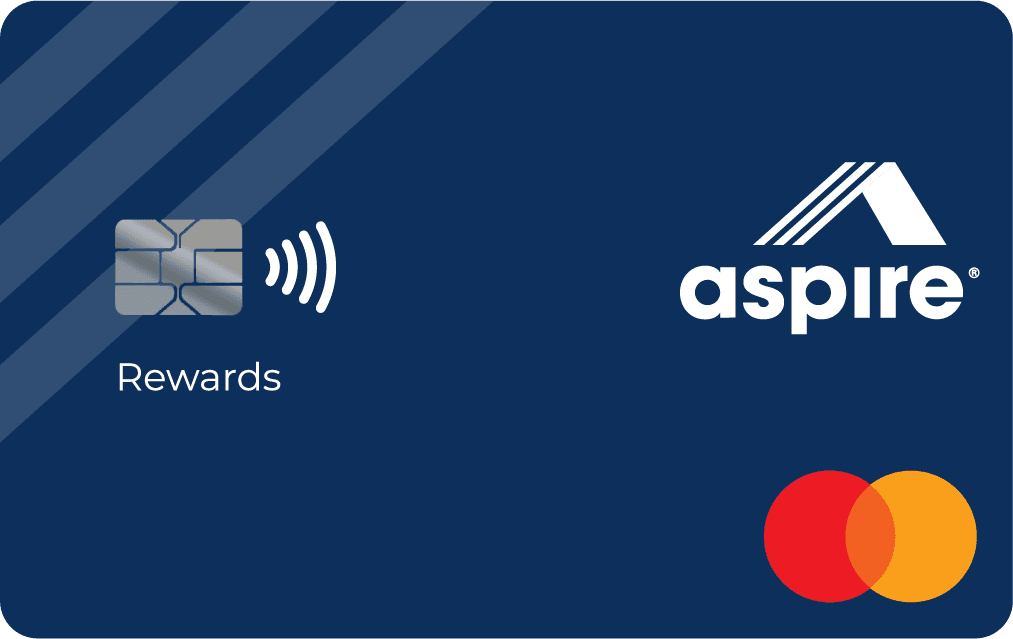
Aspire® Cash Back Rewards Mastercard
Aspire® Cash Back Rewards Mastercard. Prequalify* For Up To $1000 Credit Limit. No security deposit. Packed with great benefits, it’s designed to give you more flexibility—and purchasing power—along with up to 3% cash back rewards!** Good anywhere Mastercard is accepted, it’s the go-to card for any lifestyle.
Standout feature
Up to 3% cashback rewards
Fees
$49 to $175; after that $0 to $49 annually; - $60 to $159 annually billed at $5 to $12.50 per month after the first year.
Pros
No Deposit Required. Prequalify for up to $1000 credit limit
Cons
High APR. 25.74% to 36%, based on your creditworthiness.
Kikoff Credit Account

Kikoff Credit Account
Everything you need to build your credit, right in one app. Build credit, lower debt, and unlock progress with tools that actually work.
Loan Amount
$750-$3,500 depends on the plan
Term
12 months
APR
0%
Admin Fee
$0
Monthly Fee
$5/month for Basic plan, $20/mo for Premium plan $35/mo for Ultimate plan
Credit Check
No
Average Score Increase
An avg increase of +86 points within a year with on-time payments

How to Request an Upgrade From Your Issuer
The easiest path is to ask your current card issuer for a product change. Call the number on the back of your card and ask if you're eligible for an upgrade to an unsecured card.
Many issuers — including Discover, Capital One, and Bank of America — have automatic upgrade programs. They'll review your account periodically and may upgrade you without you even asking.
If your issuer doesn't offer upgrades, you can apply for a new unsecured card with a different company. Just be aware that this will result in a hard inquiry on your credit report.
What Happens to Your Deposit When You Switch
When your secured card is upgraded to an unsecured card, your deposit is returned to you. This usually happens within one to two billing cycles. Most issuers will either mail you a check or credit the amount to your account.
If you close the secured card instead of upgrading, make sure to pay off any remaining balance first. The deposit will be applied to any outstanding balance before the remainder is returned.
Should You Close Your Secured Card?
If you can upgrade the same account to an unsecured card, that's the best option. It preserves your account history and average age of accounts, both of which benefit your credit score.
If you open a new unsecured card with a different issuer, think twice before closing the secured card. Closing it shortens your credit history and reduces your total available credit, both of which can lower your score.
A better strategy is to keep the secured card open with a zero balance, at least until your credit profile is more established.
The Bottom Line
Switching from a secured to an unsecured credit card is a milestone worth celebrating — it means your credit-building efforts are paying off. Aim for at least 12 months of on-time payments and a credit score above 650 before making the move. The how long to build credit timeline shows that most people can accomplish this within one to two years of responsible use.
If you're still building toward that milestone, a Self secured card paired with a Kikoff credit account is one of the fastest ways to get there. When you're ready to graduate, the Aspire® Cash Back Rewards Mastercard is one of the top no-deposit unsecured options for bad-to-fair credit, paying 3% cash back on gas, groceries, and utilities with no security deposit required.

Frequently Asked Questions
How long before you can upgrade from a secured to unsecured card?
Most issuers recommend waiting at least 12 months before requesting an upgrade. Some may approve you sooner if you've demonstrated exceptional payment behavior, but 12 months is the standard timeline. Check with your specific card issuer for their policies.
Do you get your deposit back when you upgrade to an unsecured card?
Yes, your deposit is returned in full when your account is upgraded. The issuer typically returns it within one to two billing cycles, either as a check or a credit to your account. Just make sure your balance is paid off before the upgrade is processed.
Does upgrading from a secured to unsecured card affect your credit score?
Upgrading itself won't hurt your score. In fact, it's usually beneficial because it reduces your credit utilization if your credit limit increases. However, if you apply for a new unsecured card elsewhere, that hard inquiry will cause a small temporary dip.
What if your upgrade request is denied?
If your issuer denies an upgrade, ask what you need to improve. You might need a higher credit score, more months of payment history, or lower credit utilization. Apply again in a few months after making improvements, or consider opening an unsecured card with a different issuer.