
Building credit used to mean visiting a bank branch, filling out paperwork, and hoping a loan officer said yes. Today, you can open a credit builder account from your phone in about ten minutes — our roundup of the best credit-building apps covers the top mobile-first picks. These online tools report your on-time payments to the major bureaus, which can help your score grow over time.
If you have thin credit, a past mistake, or no credit history at all, an online credit builder account is often the fastest way to start. This guide compares the most popular options in 2026 so you can pick one that matches your budget and your goals.
What Is an Online Credit Builder Account?
An online credit builder account is a product that reports positive payment activity to Experian, Equifax, and TransUnion. Most use one of two models.
The first is a credit builder loan. You make small monthly payments into a locked savings account, and you get the money back at the end of the term. See our guide to installment loans that build credit for a broader view. The second is a small line of credit used for a subscription or a recurring charge. You pay the bill each month, and that activity is reported as a tradeline.
Both approaches can help if you make every payment on time. Late payments can hurt your score, so treat these accounts like any other bill.
Our Top Picks
Here are our top online credit builder accounts for 2026:
- Kikoff — a low-cost, all-in-one platform with a credit account, a $10-per-month credit builder loan, and a secured card. No hard pull to open, and members see an average 84-point increase in year one.
- Self Visa Credit Card — a secured card tied to a credit builder loan, great for stacking two tradelines.
- Self Credit Builder Account — the underlying loan that powers Self, available on its own.
- Cheers Credit Builder — a newer option focused on subscription based reporting.
- Ava — a credit-builder card and loan combo designed for newcomers, with weekly reporting to all three bureaus.
These issuers report to all three major bureaus. Terms apply and APRs vary. For a direct head-to-head breakdown, see our Self vs. Credit Strong vs. Kikoff comparison.
Kikoff: Simple, Low Cost, and Hard to Beat
Kikoff is our top pick because it packs a full credit-building toolkit into one low-cost app. Opening an account does not require a hard credit pull, which is helpful if you are trying to protect your score, and Kikoff reports to all three major bureaus. Members see an average 84-point credit score increase in their first year.
The core of Kikoff is a credit service account that gives you a revolving tradeline. Its entry plan adds a $750 Kikoff tradeline to your credit file — and because that extra available credit lowers how much of your limit you appear to be using, it can improve your credit utilization, one of the biggest factors in your score. Higher plans extend the tradeline to $2,500 or $3,500 for people who want a larger utilization cushion.
Kikoff also offers a credit builder loan at just $10 per month with zero score impact to get started; the full $120 is returned to you or rolled into a secured credit card at the end of the term. The Kikoff Secured Credit Card has no hard credit check, is backed by your own deposit, and earns cashback at select partners. Rounding things out are free credit disputes and rent and utility reporting, so you can stack several tradelines from a single platform. If you only have an ITIN, see build credit with an ITIN for additional options, and local credit unions for bad credit can be worth considering as you expand your tradelines.
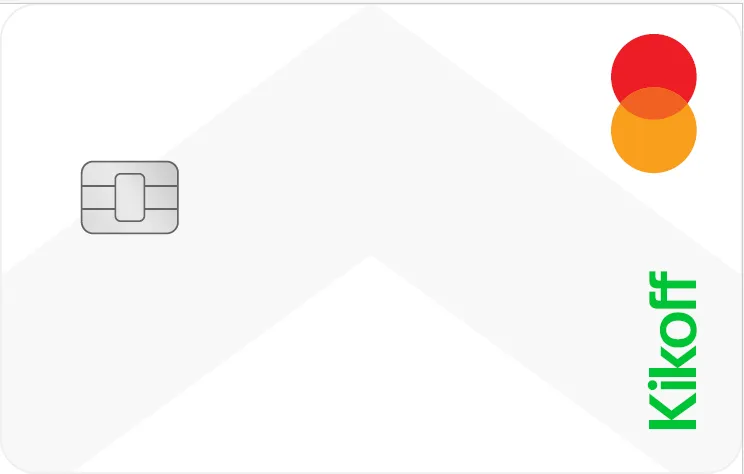
Kikoff Secured Credit Card
Kikoff Secured Credit Card
Kikoff Secured Credit Card works like a debit card & checking account and performs like a credit builder. Build credit with your everyday purchases.
APR
0%
Minimum Deposit Amount
$0
Credit Check
No
Cashback
Yes
Benefit
0% interest. No credit check.
Self: Two Tradelines in One
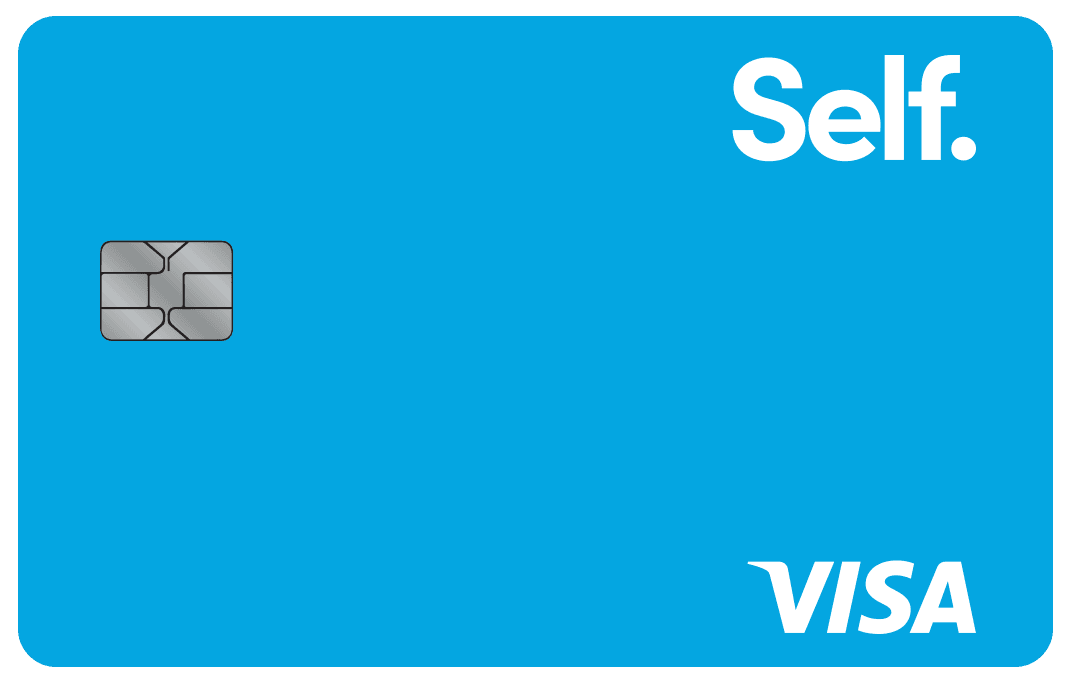
The Self Visa Credit Card pairs with the Self credit builder loan. You start by opening the loan, which puts a small amount into a CD each month. After you have paid enough and stayed current, you can unlock the Self Visa using part of your savings as the secured credit card deposit.
That setup is powerful because it creates two tradelines, an installment loan and a revolving card. Credit scoring models typically reward people who manage both types of credit responsibly.
Plans start around 25 dollars a month, and the card has no minimum deposit beyond what you save in the loan. There is a small admin fee on the loan, plus standard interest. The Visa card has its own annual fee that varies by plan.
Self is a strong pick if you want structure and a clear path from a loan to a real credit card.
Self Credit Builder Account on Its Own
If you do not need the card yet, you can open the Self Credit Builder Account by itself. You pick a monthly payment that fits your budget, and each on-time payment gets reported as a positive installment tradeline.
At the end of the term, you receive the money you saved, minus fees and interest. It works like a forced savings plan with a credit score bonus on top. APRs vary and terms apply.
This is a good option for people who want to build payment history without carrying a card right away.

Cheers: Subscription Style Reporting
Cheers is a newer entrant in the credit builder space. It focuses on reporting recurring payments as a positive tradeline, with AI-powered accelerated reporting to all three bureaus. The sign up flow is fully online, and the monthly fee is small.
Cheers is a reasonable fit if you already have one credit builder account and want to add a second tradeline. Mixing a loan, a secured card, and a subscription style account can round out your credit profile over time.
As with any new service, read the terms carefully. Check which bureaus the account reports to and confirm how long the reporting continues after you cancel.
Cheers Credit Builder Loan

Cheers Credit Builder Loan
AI-powered credit builder with accelerated reporting to all 3 bureaus, designed to make credit building simple and affordable.
Loan Amount
Multiple plans (starting at $24/mo)
Term
24 months
APR
12.15% (fixed)
Admin Fee
$0
Monthly Fee
$0
Credit Check
No
Average Score Increase
95% of users with fair credit see a 20+ point increase in just 2 months
Ava: A Newcomer-Friendly Card and Loan
Ava bundles a credit builder card with a credit builder loan and rent reporting, making it an all-in-one option for people building credit from scratch. It is designed with immigrants and newcomers in mind, and Ava reports account activity weekly to all three major bureaus.
The card may carry a spending limit of up to $2,500 that you can use at dozens of approved online merchants, while the loan adds installment history to diversify your credit mix. Ava charges a small monthly fee, and 74% of members see a score increase in their first week. Read our full Ava review for a detailed breakdown.
Ava Credit Builder Card

Ava Credit Builder Card
Ava gives you access to a suite of credit-building products including Credit Builder Card, Credit Builder Loan, and Rent Reporting. 74% of members seeing an increase in score in the first week.
Fee
$8/mo (annual) or $10/mo (monthly)
APR
0%
Minimum Deposit Amount
$0
Credit Check
No
Cashback
None
Benefit
Ava reports account activity weekly to all three major credit bureaus: Experian, Equifax, and TransUnion
How to Choose the Right Account
Start with your budget. If you can only spare 10 to 15 dollars a month, pick a product in that range and set up autopay so you never miss a due date.
Next, look at how the product reports. The best online credit builder accounts report to all three major bureaus. Reporting to only one or two can still help, but the impact may be smaller.
Finally, think about what you want to do next. If you want the most flexibility for the lowest cost, Kikoff is the easiest place to start. If you plan to apply for a regular credit card within a year, the Self Visa is a natural stepping stone. If you just want a quiet tradeline running in the background, Cheers or Ava may fit better.
Habits That Make Any Account Work
No credit builder account can replace good habits. Pay every bill on time, keep credit card balances low, and avoid applying for new credit you do not need.
Check your free credit reports every few months at annualcreditreport.com. If you see an error, dispute it. Positive payment history plus clean reports can help your score grow over time.
Frequently Asked Questions
How fast can a credit builder account raise my score?
Many people see a change within two to three statement cycles after the first payment is reported. The size of the change depends on your starting score, your other accounts, and how consistent your payments are. Results vary from person to person.
Do online credit builder accounts hurt my credit when I apply?
Most products use a soft pull, which does not affect your score. A few may do a hard pull or a small account opening check. Read the application details before you submit so you know what to expect.
Can I have more than one credit builder account at a time?
Yes, and some people use two or three to build a mix of tradelines. Just make sure you can afford every monthly payment. Missing a payment on any of them can hurt more than the extra account helps.
What happens when I finish a credit builder loan?
You get the savings back, minus fees and interest. The tradeline stays on your credit report as a closed account for several years, which can continue to support your credit history. Terms apply.




