The short answer is yes. Most electric, gas, water, and phone companies let you pay by credit card in 2026. The real question is whether you should, because more than 75 percent of utility providers charge a convenience fee that can quietly cost more than the rewards you earn.
Can you pay utilities with a credit card?
Almost all major utility providers accept credit card payments, whether online, over the phone, or in person at an authorized location. Electric, natural gas, water, sewer, trash, and phone or internet bills can typically all be paid this way.
The exception is the fine print. Many providers route card payments through a third-party processor that tacks on a fee, and some only accept certain card networks. Always check your provider's payment page before assuming your card will work fee-free.
The convenience fee problem
Here is the catch that trips up most people. Utility convenience fees usually run 2 percent to 3 percent of the bill, or a flat charge of about $1.50 to $4 per transaction. Some processors go as high as $5.85.
Compare that to a typical rewards rate. If your card earns 1.5 percent cash back but the fee is 2.5 percent, you lose 1 percent on every payment. On a $200 electric bill, a $5 fee costs more than the $3 you would earn at 1.5 percent back.
A flat fee changes the math on larger bills. A $2 flat fee on a $400 bill is only 0.5 percent, so a 2 percent rewards card would still come out ahead. Do the quick calculation before you set up autopay.
When paying utilities by card makes sense
There are still good reasons to reach for plastic. The clearest one is a card that earns more than the fee, such as a rewards card with a bonus category for utilities or bills that beats the processor charge.
A large sign-up bonus is another. If routing a few bills through a new card helps you hit a spending requirement worth $200 in cash or points, a small fee is easy to justify for a month or two.
Cash flow is the third reason. If money is tight before payday, charging a utility bill and paying it off when your paycheck lands can keep the lights on. Just be sure you can clear the balance before interest kicks in, because card APRs vary by creditworthiness and a carried balance erases any reward.
When to skip the card
Skip the card when the fee is higher than your rewards rate and you have a free alternative. Most providers let you pay by bank transfer, also called ACH, at no cost.
Also watch for lost autopay discounts. Some utilities give a small monthly credit for enrolling in automatic bank payments, and switching to a card can forfeit that discount. Factor that into the comparison.
How to pay utilities with a card the smart way
Start by logging into your provider's site and finding the exact fee, flat or percentage. Then compare it to what your card earns on that spend.
If the card wins, set up the payment and turn on balance alerts so you never carry a balance by accident. Building a habit of paying in full is what keeps rewards profitable and protects your credit utilization.
If you are still building credit and want a card that reports your on-time payments, a credit-builder card can help. The Current Build Card and the Chime Card both report activity to the bureaus while keeping interest exposure low.
Current Build Card
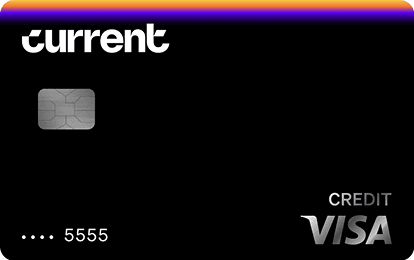
Current Build Card
$0 annual fee. No minimum deposit required. No credit check required. 1 point per dollar on eligible categories. Reports to Experian, TransUnion, Equifax.
Fee
$0
APR
0%
Minimum Deposit Amount
$0
Credit Check
No
Cashback
1 point/dollar on eligible categories (with qualifying payroll deposit)
Benefit
No credit check, no deposit minimum
Chime's card works the same way, drawing on money you move onto it so a utility charge does not turn into revolving debt.
Chime Card™
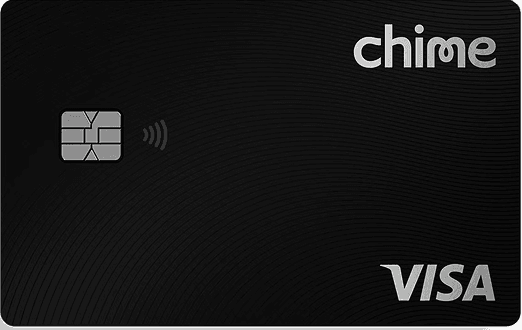
Chime Card™
Chime Card™ is Chime's secured credit card and has the reliable Chime credit-building features plus 5% cash back rewards on category of choice (with qualifying direct deposit) and access to cash at ATMs.¹
Fee
$0
APR
No interest
Minimum Deposit Amount
$0
Credit Check
No
Cashback
5% cash back rewards on category of choice (with qualifying direct deposit)
Benefit
Overdraft up to $200 without fees for eligible members.
If you want to earn a little back on the bills you route through a card, a starter rewards option like the Aspire Cash Back Rewards Mastercard can offset part of the convenience fee. And for people rebuilding, the Self Visa Credit Card pairs a secured line with a savings habit.
Aspire® Cash Back Rewards Mastercard
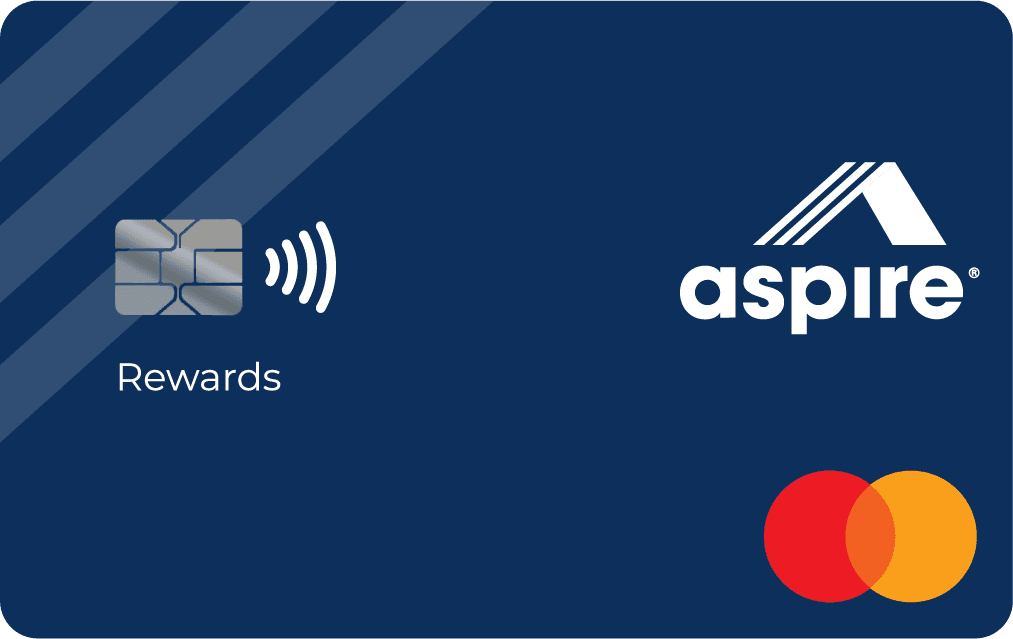
Aspire® Cash Back Rewards Mastercard
Aspire® Cash Back Rewards Mastercard. Prequalify* For Up To $1000 Credit Limit. No security deposit. Packed with great benefits, it’s designed to give you more flexibility—and purchasing power—along with up to 3% cash back rewards!** Good anywhere Mastercard is accepted, it’s the go-to card for any lifestyle.
Standout feature
Up to 3% cashback rewards**
Fees
$85–$175 first year, $229 thereafter (maintenance fees already included)
Pros
No Deposit Required. Prequalify* for up to $1000 credit limit
Cons
High APR, 36% Fixed.
The Self Visa Credit Card is a solid choice if your main goal is building history while you keep bills current.
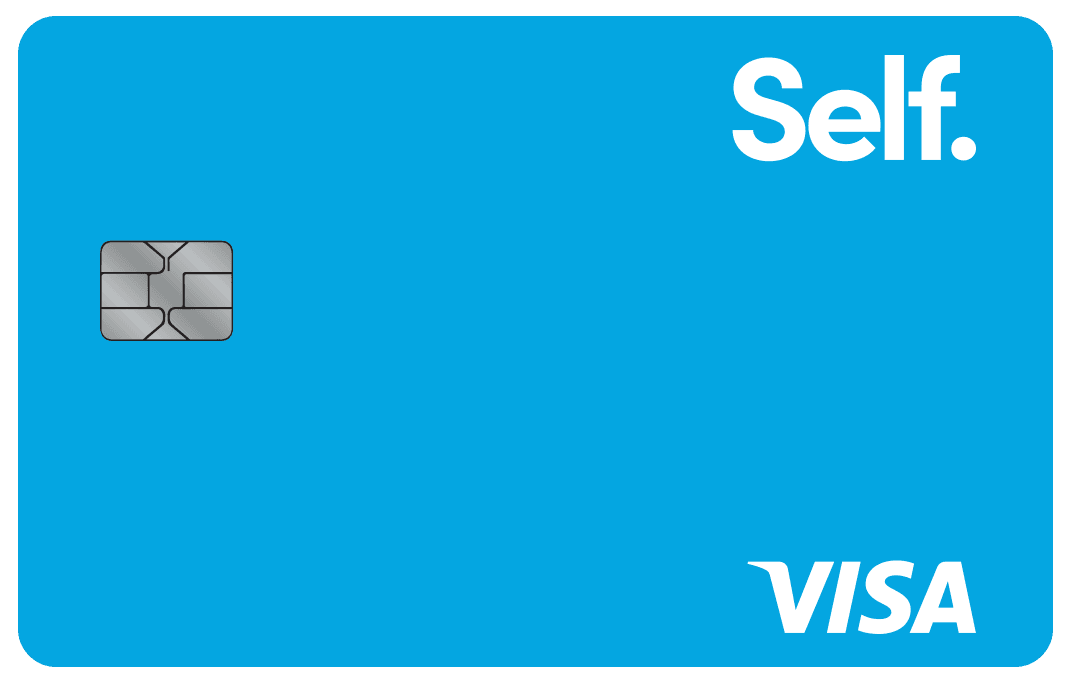
The bottom line
You can pay almost any utility with a credit card in 2026, but the convenience fee decides whether it is smart. When your rewards beat the fee, or you are chasing a sign-up bonus or bridging a cash crunch, the card can win.
As a next step, pull up one recent utility bill, find the exact card fee, and compare it to your card's reward rate. If the fee wins, a free bank transfer is usually the better move. Terms and conditions apply.
Frequently Asked Questions
Do all utility companies accept credit cards?
Most electric, gas, water, and phone providers accept credit cards in 2026, but not every one does, and some limit which card networks they take. The majority route card payments through a third-party processor that adds a convenience fee. Check your provider's payment page to confirm acceptance and the exact fee before you pay.
How much is the convenience fee to pay utilities by card?
Utility convenience fees typically run 2 percent to 3 percent of the bill or a flat charge of about $1.50 to $4, and some processors charge up to $5.85. A percentage fee hurts more on large bills, while a small flat fee can be worth it if your rewards rate is higher. Always compare the fee to what your card earns.
Does paying utilities with a credit card help build credit?
Charging utilities can help if the card reports to the credit bureaus and you pay the balance in full and on time. What builds credit is the payment history and low utilization, not the utility payment itself. It does not help, and can hurt, if you carry a balance or let utilization climb.
Is it better to pay utilities with a credit card or bank account?
A free bank transfer usually wins when the card fee is higher than your rewards rate, especially if your utility offers an autopay discount for bank payments. A credit card can win when it earns more than the fee, helps you reach a sign-up bonus, or bridges a short cash gap. Run the quick fee-versus-rewards math for your specific bill.