
Looking for a secured credit card that does not run a credit check to approve you? First Progress is one of the names that comes up most often for people rebuilding credit. Its secured Mastercards are designed for approval even with damaged or limited credit history.
This guide breaks down the First Progress secured cards, what they cost, and how they stack up against other credit-building options. Every fact below is current as of June 2026.
Key Facts at a Glance
| Issuer | Synovus Bank (First Progress program) |
| Network | Mastercard, usable anywhere Mastercard is accepted |
| Annual fee | Elite $29; Select $39; Prestige $49 |
| Purchase APR | Elite ~25.24%; Select ~17.49%; Prestige ~13.49% variable |
| Rewards | None (no cash back or points) |
| Welcome bonus | No sign-up bonus |
| Security deposit | Refundable, from $200, sets your credit limit (up to ~$2,000; can grow to ~$5,000) |
| Credit check | No credit check; no minimum score required |
| Foreign transaction fee | 3% |
| Reports to | Experian, TransUnion, and Equifax |
What Is First Progress?
First Progress is a credit card program (issued through Synovus Bank) that offers secured Mastercards aimed at consumers with poor, limited, or no credit. Because the cards are secured, you put down a refundable deposit that typically sets your credit limit. As a Mastercard, the card works anywhere Mastercard is accepted, not just at one store.
The big selling point is accessibility. First Progress generally does not require a credit check for approval, so people who have faced denials elsewhere may still qualify, and there is no minimum score.
First Progress cards are built for credit access through a refundable deposit, not for rewards. That makes them a practical tool for establishing or rebuilding a payment history.
The Three First Progress Cards
First Progress offers three secured cards, and the main difference is the balance between annual fee and APR. Choosing the right one depends on whether you plan to carry a balance. All three take a refundable deposit starting around $200, which sets your credit limit (up to roughly $2,000, and reportedly up to about $5,000 by adding to your deposit over time).
Platinum Elite
As of June 2026, the Platinum Elite carries a $29 annual fee with a purchase APR around 25.24% variable. It has the lowest annual fee of the three, which suits people who pay in full each month.
Platinum Select
The Platinum Select charges a $39 annual fee with a lower APR around 17.49% variable. This middle option balances a modest fee with a more reasonable interest rate.
Platinum Prestige
The Platinum Prestige has a $49 annual fee but the lowest APR, around 13.49% variable. If you expect to occasionally carry a balance, the lower rate can save money over time.
All three charge a 3% foreign transaction fee, so they are not ideal for travel abroad. These numbers can change, so check First Progress's website for current fees and APR. Terms and conditions apply, and APRs vary by creditworthiness.
How First Progress Helps Build Credit
The mechanism is simple but powerful. First Progress reports your account activity to all three major credit bureaus (Experian, TransUnion, and Equifax), so on-time payments can help build a positive credit history over time.
Your deposit is refundable, meaning you get it back when you close the account in good standing or graduate to a better product. That makes the deposit a tool, not a sunk cost. The key is using the card responsibly: charge a little, pay on time, and keep your balance low relative to your limit.
Choosing Your Deposit Amount
With secured cards, your deposit usually equals your credit limit. A higher deposit gives you more spending room and can make it easier to keep utilization low. Even a small deposit can get you started, and some builders advertise a low minimum deposit to lower the barrier. The habit of paying on time matters far more than the size of your limit.
How First Progress Compares to Other Builders
First Progress is a solid no-credit-check option, but it is worth comparing against other Firstcard partners before deciding. Whether you are weighing different secured Mastercards or app-based builders, each has a slightly different structure that suits a different starting point.
If you want a secured card backed by your own savings rather than a separate deposit, the Self Visa® Credit Card pairs a credit-builder account with a secured card and reports to all three bureaus, with high approval odds. See the Self Visa® Credit Card below.

Unlike First Progress, which ties up a deposit to set your limit, the Current Build Card is a no-deposit, no-credit-check alternative that links everyday spending to a credit-building account with a $0 deposit minimum and reports to all three bureaus. See the Current Build Card below.
Current Build Card
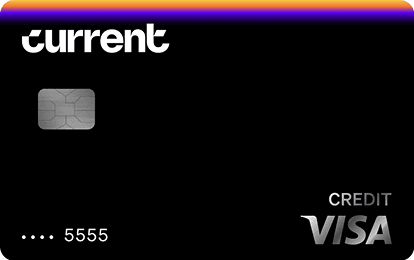
Current Build Card
$0 annual fee. No minimum deposit required. No credit check required. 1 point per dollar on eligible categories. Reports to Experian, TransUnion, Equifax.
Fee
$0
APR
0%
Minimum Deposit Amount
$0
Credit Check
No
Cashback
1 point/dollar on eligible categories (with qualifying payroll deposit)
Benefit
No credit check, no deposit minimum
Is First Progress Right for You?
For many people rebuilding credit, First Progress is a reasonable choice, especially the low-fee Platinum Elite if you pay in full. The no-credit-check approval makes it accessible when other cards say no. That said, compare the total first-year cost (annual fee plus deposit) against partner options before committing. Whether you pick a secured card from First Progress, Self, or another builder, the responsible habits you build will drive your results. A free tool like Creditship.ai can help you track your score as it grows.
Frequently Asked Questions
Does First Progress check your credit?
No, First Progress generally does not require a credit check for approval on its secured cards, and there is no minimum score, which makes it accessible to people with poor or limited credit. Approval is based largely on your refundable deposit. Check First Progress's website for current approval details.
Which First Progress card is best?
It depends on your habits. As of June 2026, the Platinum Elite has the lowest annual fee ($29) but the highest APR (around 25.24%), best for those who pay in full, while the Platinum Prestige ($49 fee) has the lowest APR (around 13.49%) for those who may carry a balance. Compare the fee and APR trade-off before choosing.
Is First Progress a real credit card that builds credit?
Yes, First Progress secured Mastercards report to all three major credit bureaus, so on-time payments can help build your credit history over time. Your deposit is refundable when you close in good standing. Alternatives like the Self Visa® Credit Card and the Current Build Card work similarly.
How much deposit do you need for First Progress?
First Progress secured cards require a refundable deposit that sets your credit limit, typically starting around $200 and ranging up to about $2,000, with the ability to grow to roughly $5,000 by adding to your deposit. A larger deposit gives you more spending room. Check First Progress's website for current minimum deposit amounts.



