
You found the perfect Chase card, and now one question is stuck in your head: what credit bureau does Chase use when it decides whether to approve you? The honest answer is that Chase does not rely on just one. It can pull your report from Experian, Equifax, or TransUnion, and which one it checks often depends on the state you live in.
That uncertainty can feel frustrating. But it also gives you a smart strategy: get all three reports in good shape so you are ready no matter which one Chase looks at. Here is how the pull works and what you can do before you apply.
The short answer: Chase uses all three
Chase, like most big banks, works with all three major credit bureaus. There is no single "Chase bureau." When you submit an application, Chase's system typically requests one credit report, and the bureau it chooses can vary based on your location, the specific card, and internal factors Chase does not publish.
Because the choice is not fixed, you cannot guarantee which report Chase will see. That is why preparing every report is the safer path than trying to game a single one.
Which bureau Chase pulls in your state
Cardholder reports collected across the country suggest that the bureau Chase uses often lines up with your state. In many states Chase leans toward Experian, while in others Equifax or TransUnion shows up more often. These patterns shift over time and are not official rules.
So treat state-based charts as a helpful hint, not a promise. A pull that was common in your state last year may change, and Chase has never confirmed a public list. If you want certainty, the only reliable move is to strengthen all three reports before you apply.
Why the bureau Chase uses matters
Your three credit reports are rarely identical. A lender that reports to only one or two bureaus, a collection that appears on one file, or a small data error can make one score higher or lower than the others. If Chase happens to pull your weakest report, you could get denied even with decent credit elsewhere.
That is the real reason this question matters. You are not just curious, you want to protect your approval odds. Knowing your reports can differ helps you avoid a surprise denial and a hard inquiry that dings your score for nothing.
How to check and prep all three reports
Before you apply for any Chase card, pull your reports from all three bureaus and read them line by line. You can get free reports through AnnualCreditReport.com. Look for late payments, high balances, accounts you do not recognize, and simple errors like a wrong address or a paid debt still marked open.
If reviewing three reports feels like a lot, a guided tool can help you see everything in one place and spot what to fix first. Creditship offers an AI-assisted way to review your credit picture across bureaus and understand which items may be holding your score back before you send an application to Chase.
Creditship

Creditship
Get free credit monitoring and concrete advice how to improve your credit from Creditship AI.
Standout feature
AI Credit Coach. AI analyzes your credit report in depth and gives you tailored, actionable steps to raise your score.
Fees
Free
Pros
Free credit report access plus monitoring and alerts
Cons
No credit repair feature
Monitor your reports so nothing surprises you
Checking once is good, but credit changes month to month. A new balance, a missed due date, or a fresh error can appear on any of the three bureaus at any time. Ongoing monitoring means you learn about changes before a lender like Chase does.
This matters most in the weeks before you apply. If a balance spikes or an error pops up, you want to catch and address it early. Dovly can help you track your credit and flag negative items across bureaus, and it can work on disputing errors on your behalf so your reports better reflect your real history.
Monitoring also builds a habit. When you see your numbers regularly, applying for a Chase card stops feeling like a gamble and starts feeling like a planned step.

Building credit before a Chase application
If your reports are thin or your scores sit lower than Chase typically wants, the best move may be to build first and apply later. Chase's popular cards usually favor applicants with good to excellent credit, so a few months of positive history can change your odds a lot.
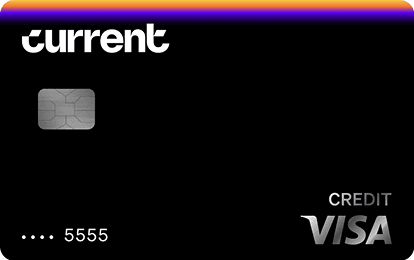
A credit-builder product reports your on-time payments to the bureaus, which helps all three files at once. The Current Build Card is designed to help you build payment history without a traditional hard-to-get approval, and because it reports to the major bureaus, it can strengthen whichever report Chase eventually pulls.
Give new positive history a few billing cycles to show up. Then check your three reports again and apply for the Chase card when your numbers look their strongest. Terms and conditions apply, and APRs vary by creditworthiness.
Current Build Card
Current Build Card
$0 annual fee. No minimum deposit required. No credit check required. 1 point per dollar on eligible categories. Reports to Experian, TransUnion, Equifax.
Fee
$0
APR
0%
Minimum Deposit Amount
$0
Credit Check
No
Cashback
1 point/dollar on eligible categories (with qualifying payroll deposit)
Benefit
No credit check, no deposit minimum
Your next steps before applying
Start by pulling all three reports and fixing obvious errors. Bring balances down, keep every payment on time, and give any new positive history time to post. Then apply for your Chase card when all three files, not just one, look strong.
That approach beats guessing which bureau Chase will use. You control your credit, so make every report ready for the pull.
Frequently Asked Questions
Does Chase always use the same credit bureau?
No. Chase can pull Experian, Equifax, or TransUnion, and the choice often depends on your state, the card, and factors Chase does not disclose. Because it can change, the safest plan is to keep all three reports in good shape rather than focusing on one.
Which bureau does Chase use most often?
Cardholder-reported data suggests Chase pulls Experian frequently in many states, with Equifax and TransUnion showing up in others. These are patterns, not official rules, and they can shift over time. Treat any state chart as a rough guide instead of a guarantee.
Will checking my own credit before applying hurt my score?
No. Checking your own reports is a soft inquiry and does not lower your score. Only the hard inquiry from your actual Chase application affects your score, so reviewing your reports first is a smart, risk-free habit.
What credit score do I need for a Chase card?
Many popular Chase cards typically favor good to excellent credit, often meaning a score in the upper 600s or higher. Requirements vary by card and are not published as hard cutoffs. Building positive history and lowering balances can improve your odds before you apply.



