
Credit Karma is the most downloaded credit app in the country, and for good reason. It gives you free credit scores and reports without asking for a credit card. But it is not perfect, and it may not be the right tool for everyone.
If you want deeper guidance, hands-off credit repair, or a way to actually build credit rather than just watch it, there are strong apps like Credit Karma worth trying. Here are three, each with a different job.
What Credit Karma Does Well
Credit Karma pulls free VantageScores and reports from Equifax and TransUnion, updated daily, with no credit card required. It sends alerts about new accounts and inquiries, offers a score simulator, and scans the dark web for your personal info. It also runs a marketplace of card and loan offers based on your Approval Odds.
The catch is that Credit Karma is built around those offers. It shows only two bureaus, not all three, and it does not do the actual work of disputing errors or building new credit for you.
Why People Look for Alternatives
Credit Karma covers the basics, but there are real gaps depending on your goals. Here is where people tend to want more.
- Third bureau: Credit Karma skips Experian, so you see two of three reports.
- Hands-on repair: It flags issues but does not file disputes for you.
- Building, not just watching: It monitors credit but does not add positive history.
- Fewer ads: Some users want guidance without a wall of card offers.
The three tools below each close one of those gaps.
Creditship: Free Monitoring Plus a Credit Coach
If your main gripe is that Credit Karma shows only two bureaus, Creditship fixes that. It offers free three-bureau credit monitoring, so you can watch Equifax, Experian, and TransUnion in one place at no cost.
Creditship goes a step further with an AI credit coach. Instead of just showing your score, it explains what is moving it week to week and gives you concrete steps to improve. It points out which negative items to dispute, which balances to pay down first, and which credit products you actually qualify for.
For a free tool, that mix of full monitoring and personalized guidance makes it a natural upgrade from Credit Karma.
Creditship

Creditship
Get free credit monitoring and concrete advice how to improve your credit from Creditship AI.
Standout feature
AI Credit Coach. AI analyzes your credit report in depth and gives you tailored, actionable steps to raise your score.
Fees
Free
Pros
Free credit report access plus monitoring and alerts
Cons
No credit repair feature
Dovly: Put Credit Repair on Autopilot
Credit Karma will point out errors, but you have to fix them yourself. Dovly takes that work off your plate. Its AI analyzes your credit report and automatically generates and sends dispute letters to the bureaus on your behalf.
The free plan includes score tracking and automated credit fixes with TransUnion. Paid plans add multi-bureau coverage, a credit-building tradeline, TransUnion credit lock, and up to $1 million in identity theft insurance. Dovly never does a hard credit pull, so using it will not hurt your score.
If you have errors dragging your report down and do not want to write dispute letters yourself, Dovly is built for exactly that.

Self Visa Credit Card: Build Credit From the Ground Up
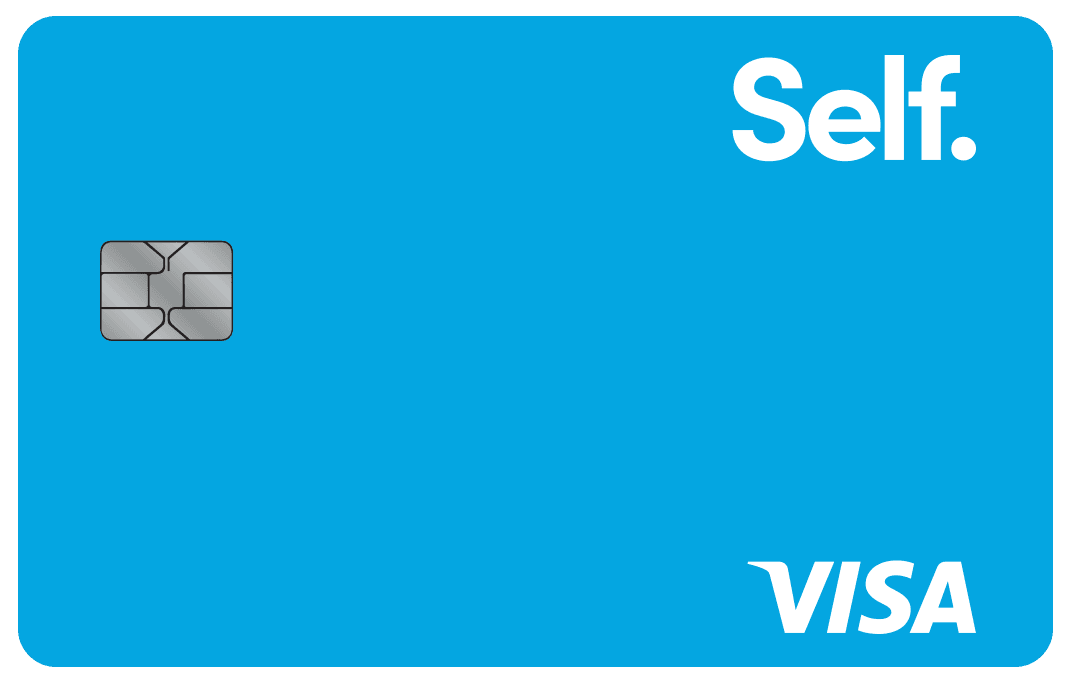
Monitoring and repair help, but neither adds new positive history. For that, you need an active account that reports to the bureaus. The Self Visa Credit Card is designed for people starting from scratch.
There is no credit check and no minimum score to qualify. You fund a security deposit of at least $100, which you can build up through a Self Credit Builder loan, and that deposit becomes your credit limit, up to $3,000. The card charges a $0 annual fee and reports to all three major credit bureaus.
Because on-time payments show up on every report, using the card responsibly can help you build the very history Credit Karma is tracking. Keep in mind the card carries a 27.49% APR, so paying the balance in full each month is the smart way to use it.
How to Put Them Together
These three tools work best as a team. Use Creditship to watch all three bureaus and get a plan. Use Dovly to clean up any errors automatically. And use the Self Visa Credit Card to add fresh, positive payment history.
Timing matters, since your reports do not all refresh on the same schedule. Our guide to when TransUnion updates explains how to time your checks so you see progress sooner.
Pick one to start this week. Even a single step, like turning on three-bureau monitoring, puts you ahead of just glancing at a score now and then.
The Bottom Line
Credit Karma is a fine free starting point, but you do not have to stop there. Creditship gives you fuller monitoring and coaching, Dovly automates repair, and the Self Visa Credit Card helps you build. Combine them and you move from watching your credit to actively improving it.
Frequently Asked Questions
Is there a free alternative to Credit Karma?
Yes. Creditship offers free three-bureau credit monitoring plus an AI coach, which covers more ground than Credit Karma's two-bureau view. Dovly also has a free plan that tracks your score and files automated disputes with TransUnion.
Does Credit Karma show all three credit bureaus?
No. Credit Karma shows scores and reports from Equifax and TransUnion only, leaving out Experian. If you want to watch all three at once, a tool like Creditship covers every bureau for free.
Will using these apps hurt my credit score?
Checking your own credit is a soft inquiry and does not lower your score. Monitoring and repair tools like Creditship and Dovly do not run hard pulls. A secured card like the Self Visa may involve identity checks, but it is designed to build credit, not harm it.
What is the difference between credit monitoring and credit repair?
Monitoring watches your reports and alerts you to changes, which is what Credit Karma and Creditship do. Repair actively challenges errors on your report, which is Dovly's focus. Building, through a card like Self, adds new positive history. Many people use all three together.




