Millions of US residents file taxes with an Individual Taxpayer Identification Number (ITIN) rather than a Social Security Number. Getting approved for a credit card with an ITIN used to feel impossible, but the playing field has shifted. A handful of issuers now underwrite applicants using ITIN, passport, or even visa documents, and a few newer products skip the credit check altogether.
If you are building a US credit profile from scratch, the right first card can put you on a twelve-month path from zero history to a score in the mid 600s. Here are the products we recommend first, followed by the full approval playbook.
Our Top Picks for ITIN Credit Cards
- Current Build Card: No annual fee, no SSN required, no hard credit pull. Works from your Current spending account balance, so approvals are effectively guaranteed. Best for: ITIN holders and newcomers who want a true no-debt, no-risk credit builder.
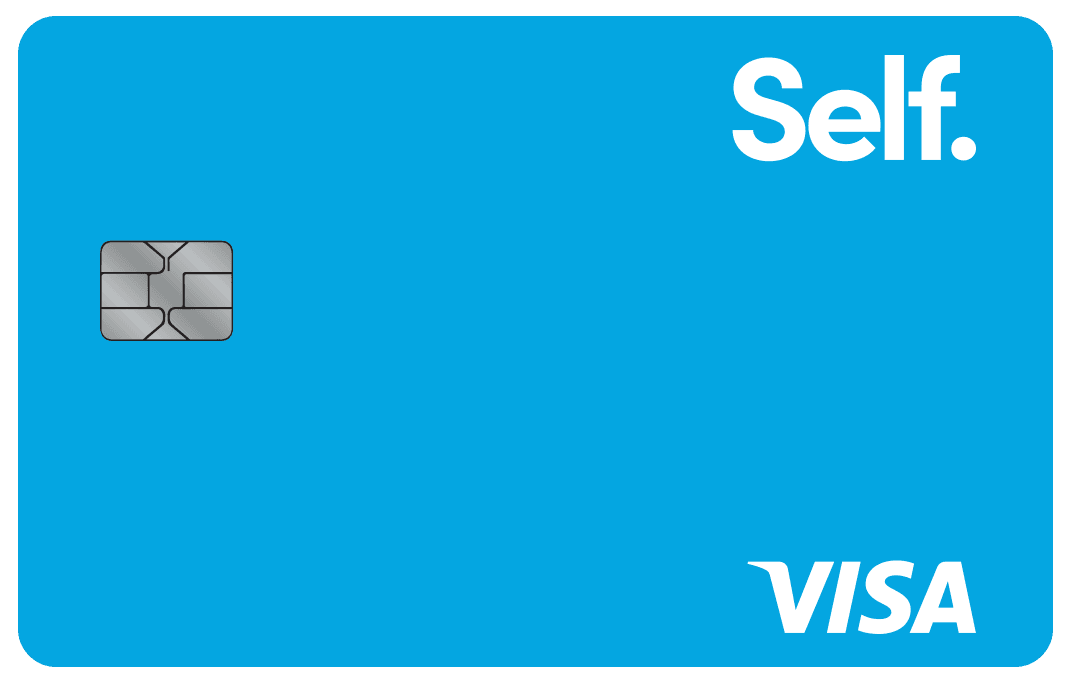
- Self Visa® Credit Card: $25 annual fee, accepts ITIN applicants who already have a Self Credit Builder Account. Reports to all three bureaus. Best for: ITIN applicants who want both an installment tradeline and a revolving card in one ecosystem.
- Kikoff Secured Credit Card: Low refundable deposit, no hard pull. Accepts ITIN during account opening. Best for: first-time borrowers who want a small line to practice responsible use.
All three report to Equifax, Experian, and TransUnion, the trio that matters for future auto, rental, and mortgage approvals.
Current Build Card
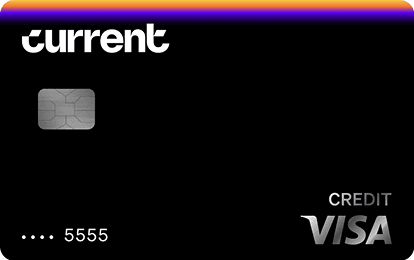
Current Build Card
$0 annual fee. No minimum deposit required. No credit check required. 1 point per dollar on eligible categories. Reports to Experian, TransUnion, Equifax.
Fee
$0
APR
0%
Minimum Deposit Amount
$0
Credit Check
No
Cashback
1 point/dollar on eligible categories (with qualifying payroll deposit)
Benefit
No credit check, no deposit minimum
Why the Current Build Card Is Our First Pick
Most immigrant-friendly cards still require a Social Security Number or a hefty security deposit. The Current Build Card sidesteps both. You open a free Current spending account, deposit any amount, and the card reports your balance activity to the bureaus as credit usage. Because the card never advances actual credit, there is no hard pull and no SSN requirement at sign-up. Current accepts ITIN or a valid government ID during verification.
In practice, that means a brand-new ITIN holder with no US history can have a reporting tradeline on their file within 30 days. You keep 100 percent of the money you load, and there is no interest to worry about. The tradeoff: the card will not help you master revolving-credit behavior the way a traditional card does, so many users graduate to the Self Visa® once six months of history is on the books.
Self Visa®: A Two-Tradeline Strategy
Self is unique because it pairs a Credit Builder Account, which is a small installment loan, with a Visa card secured by the payments you have already made. Opening the builder account does not require an SSN in every case, and you can graduate to the Self Visa® after three on-time payments and at least $100 saved. See our detailed Self Visa review for the latest approval criteria.
The benefit of this setup is credit mix. FICO scoring rewards borrowers who carry both installment and revolving accounts, and most ITIN holders start with neither. Self gives you both inside a single app. APRs vary by creditworthiness, and terms and conditions apply.
Kikoff Secured: A Gentle On-Ramp
If a $200 OpenSky deposit or a $500 secured credit card feels like too much upfront, the Kikoff Secured Credit Card lets you start with a smaller refundable deposit. Kikoff accepts ITIN during application and uses soft-pull underwriting. Read our Kikoff review for a full walkthrough.
What Documents You Actually Need
Issuers that accept ITIN usually ask for the following at sign-up.
- Your ITIN assignment letter from the IRS or a recent tax return showing the ITIN.
- A valid passport, consular ID (for example a Mexican matricula), or a state-issued ID.
- Proof of US address such as a utility bill, lease, or bank statement.
- Proof of income, which can be pay stubs, a bank statement, or a signed employer letter.
Keep digital copies in a secure folder. Most online applications let you upload in under five minutes.
If you do not have an ITIN yet, or yours has expired, that is the very first step before any of these cards will work. TheITIN.com helps newcomers apply for or renew an ITIN as a Certifying Acceptance Agent, so you can get the IRS letter you need without mailing your original passport. Once your ITIN is active, you can move straight into opening your first reporting tradeline.
TheITIN.com

TheITIN.com
No SSN? No problem. TheITIN.com makes getting your U.S. tax ID (ITIN) fast and painless — 100% online. Perfect for people who need to start building credit, file taxes, or open bank accounts in America.
Standout feature
100% online ITIN application. No hidden fees. Trusted by thousands with 4.8★ on Trustpilot.
Fees
Starting at $497
Pros
Fast, fully online process. Highly rated customer support (4.8★ Trustpilot). Transparent pricing with no hidden fees.
Cons
Processing time depends on IRS (can take up to 14 weeks).
Building a Thicker File in Twelve Months
Once your first ITIN-friendly card is reporting, stack these moves over the next year to move from a thin file into prime-credit territory.
- Set the card to autopay the full statement each month. Payment history is roughly 35 percent of your FICO.
- Keep your reported balance below 10 percent of your limit at the end of each billing cycle. Utilization is the second largest factor.
- Add a rent-reporting service if you rent. It is one of the fastest ways to build a positive tradeline.
- After six months, ask your first issuer for a credit-line increase. A larger limit lowers utilization automatically.
- At the nine-month mark, consider adding a second card from a different issuer to build diversity.
For the complete beginner-friendly sequence, our guide on how to build credit from scratch is a great companion read.
Traps to Avoid
Watch out for cards that market themselves as ITIN-friendly but charge application fees, monthly maintenance fees, and a setup fee that eats your credit line before you even use the card. Also skip any offer that does not report to at least two of the three major bureaus. The whole point of the exercise is building bureau-verified history.
Applications do create hard inquiries unless the issuer specifically uses a soft pull, so apply deliberately and space requests at least 90 days apart.
Ready to Apply
If you are starting from zero, begin with the Current Build Card for a no-risk first tradeline. Layer the Self Visa® three months later for installment history, and add Kikoff for a secondary revolving line when you are ready. Within a year of disciplined use, most ITIN applicants we talk to see a FICO score between 640 and 700, enough to qualify for a mainstream unsecured card or a car loan at a fair rate.
Frequently Asked Questions
Can I get a credit card with an ITIN and no SSN?
Yes. Several issuers explicitly accept ITIN during sign-up, including Current for its Build Card, Self for the Credit Builder Account and Visa, and Kikoff. Approval still depends on identity verification and, where applicable, income documentation.
Will an ITIN credit card build my US credit score?
It will, as long as the issuer reports activity to Equifax, Experian, or TransUnion. All three cards featured above report to the major bureaus. Scores typically appear within 60 to 90 days of your first reported activity.
Do I need US income to qualify?
Most ITIN-accepting issuers ask about income but accept self-employment, cash, or household income. You may be asked for a bank statement or tax return. Having verifiable US income increases credit-line size and approval odds.
Can I eventually switch my file from ITIN to SSN?
Yes. Once you receive an SSN, contact each issuer and the credit bureaus to merge your history. Your positive tradelines transfer to the SSN-based file, preserving the credit age you built as an ITIN holder.

Firstcard was founded in 2020 by Kenji Niwa, an immigrant founder who was turned down for his first U.S. credit card because he had no credit score. So he set out to build the card he couldn't get. Firstcard launched its own card, the Firstcard Secured Credit Builder Card. The program received more than 250,000 applications and served tens of thousands of cardholders. In February 2026, Firstcard became a marketplace for financial products, with the same mission: to help people build credit and reach financial freedom. Today we compare credit cards, cash advance apps and credit builders, so you can choose the right one with confidence. This editorial team is led by Chief Editor Kenji Niwa. We check fees, APRs and terms against each provider's own documents and note the date we checked. We also interview real users and the companies that offer credit cards and loans. Our ratings use the same standards whether or not Firstcard earns money from a product. Full profile and latest articles →