Many people keep a savings account for emergencies and wonder if they can write a check directly from it when a big bill comes due. In most cases, the answer is no. Traditional savings accounts are designed to hold money, not to be used for everyday transactions, and most do not come with check-writing features at all.
Understanding why this is the case can help you choose the right account for each job.
What a Traditional Savings Account Is Built For
A traditional savings account is a deposit account that earns interest on money you park there. Banks and credit unions offer them as a safe place to accumulate funds over time. The core design is simple: put money in, earn a modest return, and pull funds out when you need them.
Because savings accounts are not transaction accounts, they lack the infrastructure that comes with checking: no check order feature, no debit card linked to checks, and no routing-number-linked draft capability in most cases.
Regulation D and the Six-Withdrawal Rule
Historically, the reason savings accounts cannot be used like checking accounts goes back to Regulation D, a Federal Reserve rule that limited certain savings account withdrawals to six per month. Transactions covered under that limit included checks written against the account, ACH transfers out, and wire transfers.
In April 2020, the Federal Reserve suspended the six-withdrawal limit and allowed banks to make it permanent at their discretion. Many banks still enforce the limit or charge fees for excess transactions, because savings deposits fall under a different reserve classification than demand deposits.
Even with the rule suspended, most banks have not added check-writing to their savings account products. The design limitation remains even where the legal restriction has softened.
Can Any Savings-Type Account Write Checks?
Yes, one type can. Money market accounts (MMAs) are a savings-style product that often includes limited check-writing. MMAs typically require a higher minimum balance than a standard savings account, but in exchange they may offer check access, a debit card, and slightly higher interest rates.
If check-writing flexibility matters to you and you want to keep funds earning interest, a money market account is worth comparing to a standard savings account.
For context on how savings accounts are structured to hold funds without direct payment features, Can a Traditional Savings Account Write Checks or Pay Bills? covers the bill-pay side in more detail.
What You Can Do Instead
If you need to pay bills or send checks from money you have been saving, you have a few practical options.
Transfer to a linked checking account. Most savings accounts allow you to link a checking account. You can move funds electronically and then write checks or pay bills from the checking side. Transfers between accounts at the same bank are often instant or same-day.
Use online bill pay from checking. Your checking account's online bill pay system can schedule one-time or recurring payments. No physical check required.
Use a money market account for larger balances. If you keep more than $1,000 to $2,500 consistently, an MMA may be a better fit. Some MMAs do have minimum balance requirements to avoid monthly fees, so compare terms carefully.
The Risk of Treating Your Savings Like a Checking Account
Even if a bank technically allows some transactions from savings, using your savings account for everyday purchases erodes the purpose of the account. Emergency funds kept in savings should stay relatively untouched.
Mixing transaction activity with your savings makes it harder to track progress toward financial goals. Keeping separate accounts for spending and saving is a widely recommended budgeting practice.
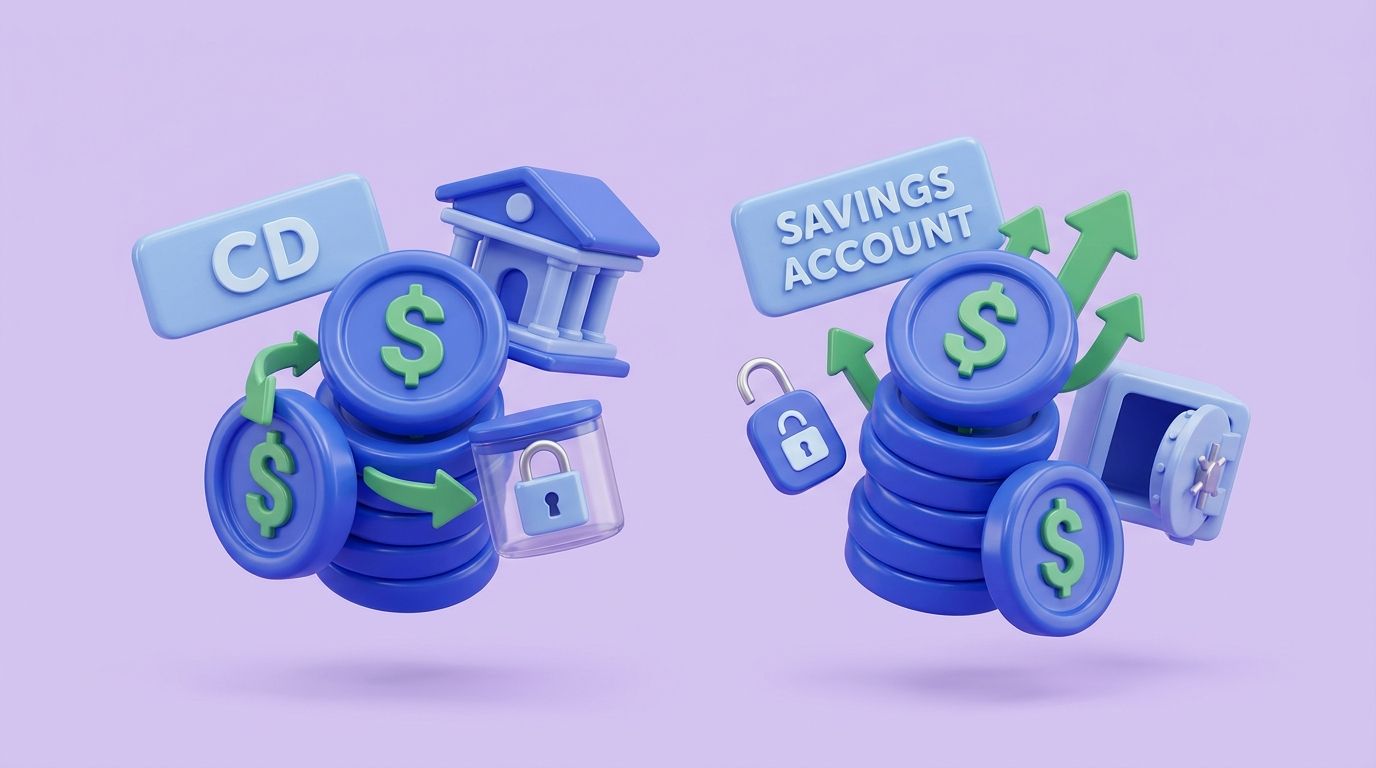
For those who may have wondered whether money in savings is locked up like a CD, Is a Traditional Savings Account Money Stuck for a Set Time? explains the difference between savings accounts and time-deposit products.
Fee-Free Checking as an Alternative
If you are looking for a checking account you can use freely without worrying about monthly fees eating into your balance, fee-free options are widely available. Current offers fee-free mobile banking with no monthly fee, no minimum balance, up to 4.00% APY with a $200 qualifying direct deposit, and paycheck access up to two days early. Terms and conditions apply.
Current Banking

Current Banking
Current is a mobile-first banking app with no monthly fee and no minimum balance. Members can earn up to 4.00% APY with a qualifying direct deposit of $200, receive direct-deposit paychecks up to 2 days early, and overdraft up to $200 fee-free.
Standout feature
4.00% APY on Savings Pods (with a $200+ qualifying direct deposit) plus paycheck up to 2 days early — both included on the standard account for free
Fees
Free
Pros
$0 monthly fee; up to 4.00% APY on Savings Pods with qualifying direct deposit; paycheck up to 2 days early;
Cons
No physical branches
Why Banks Keep Savings and Checking Separate
Banks structure savings and checking accounts differently because of how they fund their operations. Demand deposit accounts (checking) must be kept liquid at all times. Savings deposits can be used to fund slightly longer-duration loans, which is why banks are allowed to pay higher interest on savings.
This difference in funding structure is why savings accounts face withdrawal controls and why check-writing does not fit the model. A check is an unconditional demand for payment, which is exactly the kind of instant liquidity that savings accounts are not designed to guarantee.
Understanding account terminology also helps here. What Does Balance Mean on a Bank Account or Credit Card? explains the difference between available balance and current balance, which matters when you are moving money between savings and checking.
Another Fee-Free Option for Day-to-Day Spending
If you want a simple checking account for daily transactions while keeping your savings separate, Chime offers fee-free banking with no monthly fees, early direct deposit, fee-free overdraft up to $200 once you qualify, and a savings account earning 3.75% APY. Terms and conditions apply.
Chime

Chime
- Fee-free banking plus early pay access - Overdraft up to $200 without fees - 5% cash back and build credit everyday. - 3.75% APY on your savings.
Standout feature
No credit check, no interest, no annual fee, and no minimum deposit required.
Fees
$0
Pros
Fee-Free Banking and Get paid up to 2 days early
Cons
App/online-only support, no branches
Frequently Asked Questions
Can you write checks from a traditional savings account?
Generally no. Most traditional savings accounts do not include check-writing features. They are designed for accumulating funds, not for making payments. Use a checking account or money market account if you need to write checks.
What is Regulation D and how does it affect savings accounts?
Regulation D was a Federal Reserve rule that historically limited certain outgoing transactions from savings accounts to six per month. The limit was suspended in 2020, but many banks still enforce transaction restrictions or charge fees for excess withdrawals from savings.
What type of savings account lets you write checks?
Money market accounts often include limited check-writing privileges. They are a savings-style product with higher minimum balance requirements but more transactional flexibility than a standard savings account.
Can I transfer money from savings to checking and then write a check?
Yes, and this is the most common approach. Link your savings and checking accounts, transfer the amount you need, and write a check from the checking account. Many banks make this transfer instant or same-day when both accounts are at the same institution.