
Your card can get stolen two very different ways: a hidden device at a gas pump, or a few lines of code on a checkout page you never see. Both end the same way, with charges you did not make, but they work nothing alike.
Understanding the difference helps you protect yourself. This guide breaks down card skimmers versus online card fraud, which one is more common now, and the specific steps that stop each one. Figures and practices are current as of June 2026.
How Card Skimmers Work
A card skimmer is a small device a criminal hides on a real payment terminal, like a gas pump, an ATM, or a store card reader. When you swipe or insert your card, the skimmer secretly copies the data stored on your magnetic stripe: your card number, expiration date, and name.
Some skimmers store the stolen data until the thief comes back to collect the device. Others transmit it wirelessly, so the criminal never has to return. Many setups add a tiny hidden camera or a fake keypad overlay to capture your PIN at the same time.
Once they have your stripe data, criminals can clone a counterfeit card or sell the numbers. This is called card-present fraud, because the fake card is physically used at a terminal.
Why EMV Chips Changed the Game
The chip on your card, called EMV, was built to defeat skimming. Instead of handing over the same static data every time, the chip creates a one-time code, a cryptogram, that is unique to that single transaction.
Because that code cannot be reused, stolen chip data is far less useful for making a counterfeit card. This is why you are told to insert or tap rather than swipe. Tapping uses the same secure chip technology without contact.
The weak spot is the magnetic stripe, which still exists for older terminals. If a skimmer reads your stripe, that data can still be cloned, which is why covering the stripe and using tap or chip whenever possible matters.
How Online (Card-Not-Present) Fraud Works
Online fraud is called card-not-present (CNP) fraud, because no physical card is involved. The thief only needs your card number, expiration date, and security code to make a purchase on a website.
Criminals get this data several ways. Data breaches leak millions of card numbers at once. Phishing emails trick you into typing your details on a fake site. And digital skimming, sometimes called Magecart, injects hidden malicious code into a real store's checkout page that quietly copies what you type.
There is a reason CNP fraud has grown. As EMV chips made counterfeiting harder in physical stores, criminals shifted online, where chips do not protect you. Digital skimming can also hit far more victims at once than a single physical device ever could.
Card Skimmers vs Online Purchases: Which Is Riskier?
For most people today, online fraud is the bigger and faster-growing threat. A physical skimmer steals from people who use one specific pump or ATM. A breached database or a compromised checkout page can expose thousands of cards in a day.
Digital fraud is also harder to spot. You cannot wiggle a website to check for a tampered reader the way you can at a gas pump. The good news is that both types are covered by strong consumer protections, which we cover below.
If you want to watch for the downstream effects of either type of fraud, such as new accounts opened in your name, credit monitoring can flag changes early. Services like Creditship track your credit profile so you notice problems faster.
Creditship

Creditship
Get free credit monitoring and concrete advice how to improve your credit from Creditship AI.
Standout feature
AI Credit Coach. AI analyzes your credit report in depth and gives you tailored, actionable steps to raise your score.
Fees
Free
Pros
Free credit report access plus monitoring and alerts
Cons
No credit repair feature
Your Legal Protection: You Are Rarely on the Hook
Here is the reassuring part. Federal law and card-network rules limit what you owe for fraud.
Under the Fair Credit Billing Act, your maximum liability for unauthorized credit card charges is $50, and most major networks go further. Visa and Mastercard both offer zero-liability policies, so you typically pay nothing on reported fraud. Debit cards have weaker timing rules, which is one reason many people prefer a credit card for online shopping.
The catch is that protection depends on reporting fast. Check your statements often, and report anything you do not recognize right away. Note that anonymous prepaid cards may not get the same zero-liability coverage, so read your card's terms.
How to Protect Yourself From Skimmers
A few habits sharply cut your skimming risk:
- Tap or insert the chip instead of swiping whenever you can.
- At gas pumps and ATMs, gently wiggle the card reader and keypad; loose or bulky parts can signal a skimmer.
- Cover the keypad with your hand when entering your PIN to block hidden cameras.
- Favor pumps near a store entrance or in view of cameras, which are harder to tamper with.
- Use a credit card rather than a debit card at the pump, since credit cards carry stronger fraud protection.
How to Protect Yourself Online
Online safety is about limiting who can use your number even if it leaks:
- Use a virtual card number when your issuer offers one, so the merchant never sees your real number.
- Turn on two-factor authentication and transaction alerts in your banking app so you approve or see purchases instantly.
- Only enter card details on sites with https and a checkout you trust.
- Avoid saving your card on sites you rarely use, and never shop on public Wi-Fi without a secure connection.
If your card does get compromised, knowing how often credit scores update helps you understand when fraud-related changes might appear.
A Card That Adds Protection and Rewards
If you want strong fraud protection plus cash back for everyday spending, a Visa or Mastercard credit card is a solid choice, because of the zero-liability coverage and chip security.
The Aspire Cash Back Rewards Mastercard is one option that pairs Mastercard's fraud protections with cash-back rewards, which can suit shoppers who want both security and value on a card they use online.
Aspire® Cash Back Rewards Mastercard

Aspire® Cash Back Rewards Mastercard
Aspire® Cash Back Rewards Mastercard. Prequalify* For Up To $1000 Credit Limit. No security deposit. Packed with great benefits, it’s designed to give you more flexibility—and purchasing power—along with up to 3% cash back rewards!** Good anywhere Mastercard is accepted, it’s the go-to card for any lifestyle.
Standout feature
Up to 3% cashback rewards
Fees
$49 to $175; after that $0 to $49 annually; - $60 to $159 annually billed at $5 to $12.50 per month after the first year.
Pros
No Deposit Required. Prequalify for up to $1000 credit limit
Cons
High APR. 25.74% to 36%, based on your creditworthiness.
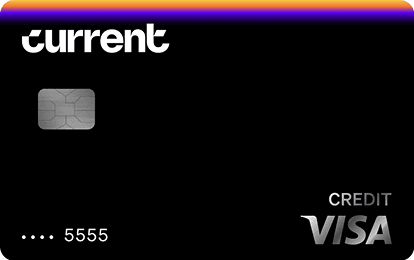
If you are still building your history and want a debit-style card that also helps your credit, a different tool fits better. The Current Build Card lets you spend from your own funds while reporting activity that can help you build credit, which can appeal to anyone who wants protection without a traditional credit line. If you are weighing your options, our guide on credit cards that build credit without a deposit compares similar tools.
Current Build Card
Current Build Card
$0 annual fee. No minimum deposit required. No credit check required. 1 point per dollar on eligible categories. Reports to Experian, TransUnion, Equifax.
Fee
$0
APR
0%
Minimum Deposit Amount
$0
Credit Check
No
Cashback
1 point/dollar on eligible categories (with qualifying payroll deposit)
Benefit
No credit check, no deposit minimum
What to Do If Your Card Is Compromised
Move fast. Call your issuer or use the app to freeze or cancel the card, then dispute the charges in writing to lock in your Fair Credit Billing Act rights.
Watch your statements for a few billing cycles, since some thieves test with small charges first. If you suspect your full identity was exposed, consider a fraud alert or freeze with the credit bureaus, learn how to avoid identity theft going forward, and keep an eye on whether does Venmo build credit style apps or new accounts appear that you did not open. Terms and conditions apply, and protections vary by card.
Frequently Asked Questions
Are card skimmers or online purchases more dangerous?
Online, card-not-present fraud is generally the bigger threat today because a single breach or compromised checkout page can expose thousands of cards at once. Physical skimmers are still a risk at gas pumps and ATMs, but EMV chips have made counterfeiting from them harder.
Does the chip protect me when I shop online?
No. The EMV chip only protects in-person transactions where the card is inserted or tapped. Online, the chip is not used, so you should rely on virtual card numbers, two-factor authentication, and transaction alerts instead.
Will I have to pay for fraudulent charges?
Usually not, if you report them promptly. Federal law caps credit card liability at $50, and Visa and Mastercard zero-liability policies typically bring that to zero. Reporting quickly is what protects you, so review statements often.
Is a credit card or debit card safer for online shopping?
A credit card is generally safer. Credit cards have stronger federal protections and zero-liability policies, and a fraudster is spending the bank's money, not draining your checking account. Debit card fraud can tie up your real cash while the dispute is resolved.
For ongoing monitoring of your wider credit profile, you can also explore Creditship for credit tracking.




