What if you could pay for doctor visits, prescriptions, and dental work with money you never paid taxes on? That is the basic promise of a health savings account, often called an HSA.
A Central Bank health savings account is one option many people explore when they want to set aside money for medical costs. It pairs with a high-deductible health plan and can offer real tax perks. If you are weighing that kind of plan against an HMO, our guide on HSA vs HMO health plans breaks down which setup fits different budgets.
This guide walks through how these accounts work, who can open one, and how to keep your everyday money organized at the same time. Always check the official Central Bank website for current rates, fees, and terms before you apply.
What Is a Health Savings Account?
A health savings account is a special savings account meant for medical expenses. You put money in, and you can use it later for qualified health costs. Not every purchase qualifies, though — for instance, see whether vitamins and supplements count as HSA-eligible expenses.
The money you contribute may lower your taxable income for the year. That can mean a smaller tax bill, depending on your situation.
Funds in an HSA usually roll over year after year. Unlike some other accounts, you do not lose the balance if you do not spend it.
How a Central Bank Health Savings Account Works
Central Bank is the name used by several community banks across different states. Many of them offer HSA products to local customers.
In most cases, you open the account, link it to your high-deductible health plan, and start making deposits. You can often add money through payroll, transfers, or direct deposits.
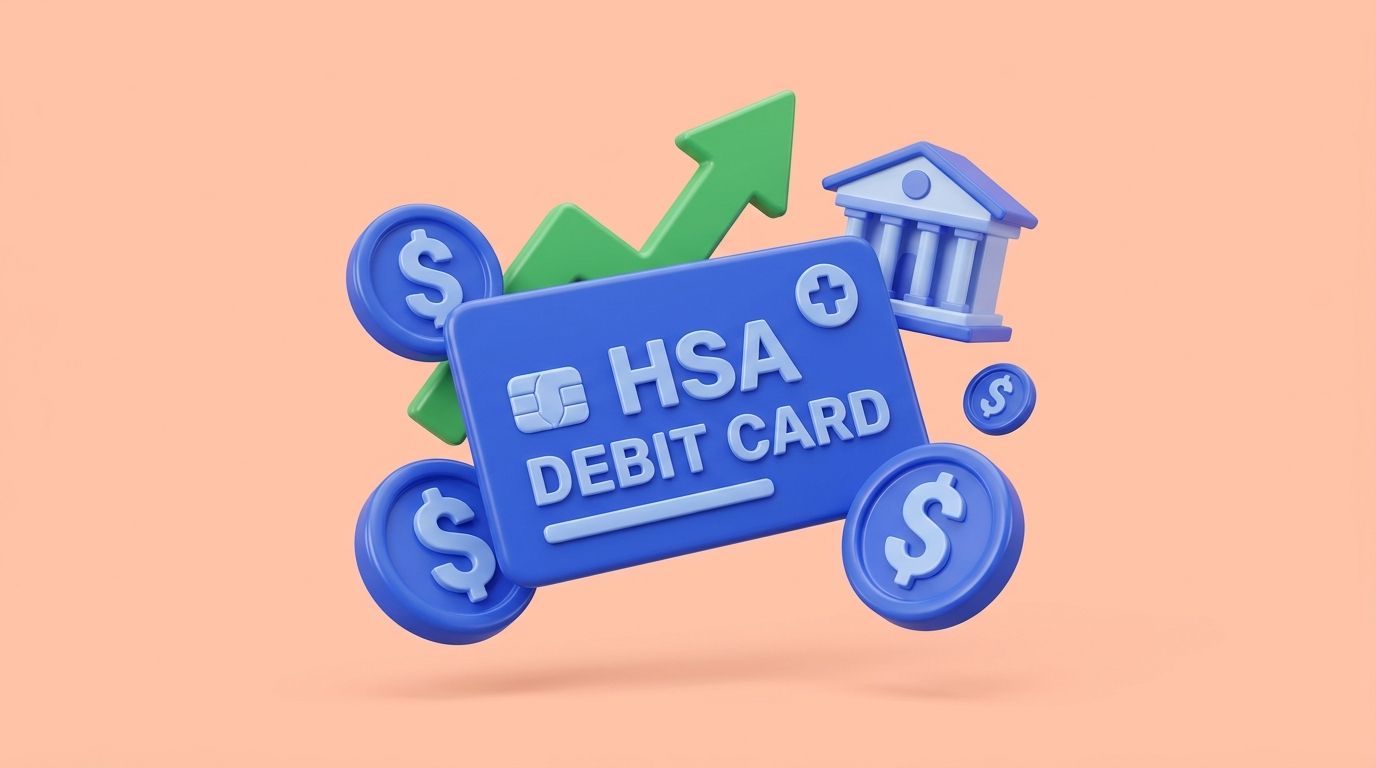
When you have a medical bill, you pay with an HSA debit card or by transfer. Because terms can vary by branch and region, confirm the details on your local Central Bank website.
Why Smart Banking Habits Matter
Managing an HSA is easier when the rest of your money is organized. Strong everyday banking habits help you avoid overdrafts and keep your medical fund untouched.
Mobile banking tools can make this simpler. Apps that track spending and offer early direct deposit can help you plan around medical bills.
One option many people use for daily banking is Current. It offers a mobile-first account with features that can help you stay on top of your cash flow.
Current Banking

Current Banking
Current is a mobile-first banking app with no monthly fee and no minimum balance. Members can earn up to 4.00% APY with a qualifying direct deposit of $200, receive direct-deposit paychecks up to 2 days early, and overdraft up to $200 fee-free.
Standout feature
4.00% APY on Savings Pods (with a $200+ qualifying direct deposit) plus paycheck up to 2 days early — both included on the standard account for free
Fees
Free
Pros
$0 monthly fee; up to 4.00% APY on Savings Pods with qualifying direct deposit; paycheck up to 2 days early;
Cons
No physical branches
Who Qualifies for an HSA?
To open and contribute to an HSA, you typically need a qualifying high-deductible health plan. Not every health plan counts, so you should check with your insurer.
You also cannot be enrolled in other disqualifying coverage, such as most Medicare plans. There are yearly contribution limits set by the IRS that may change each year.
If you are unsure whether you qualify, talk to your benefits manager or a tax professional. Rules can be detailed, and getting it right matters.
Tax Benefits You May Get
HSAs are known for offering several tax advantages. Contributions may be deducted from your taxable income, which can lower what you owe.
The money can grow over time, and qualified withdrawals are typically tax-free. Some accounts even let you invest part of your balance once it reaches a certain level.
These benefits can add up over the years. Still, tax rules vary by person, so confirm your details with a qualified advisor.
Keeping Daily Spending Separate
A common mistake is mixing medical savings with everyday spending. Keeping them apart helps you protect your HSA funds.
A dedicated checking or spending account can give you a clear line between bills and health savings. This also makes it easier to track where your money goes.
Many people pair their HSA with a flexible spending account like Chime. It offers a simple mobile account that can help you separate daily costs from your medical fund.
Chime

Chime
- Fee-free banking plus early pay access - Overdraft up to $200 without fees - 5% cash back and build credit everyday. - 3.75% APY on your savings.
Standout feature
No credit check, no interest, no annual fee, and no minimum deposit required.
Fees
$0
Pros
Fee-Free Banking and Get paid up to 2 days early
Cons
App/online-only support, no branches
Building Credit While You Save
Saving for health costs is one piece of your financial picture. Building credit is another, and the two can work together.
If your credit needs work, a credit builder card can help you grow a positive history over time. Responsible use may improve your score.
For those with damaged credit, a secured credit card is another path worth exploring. It can help rebuild trust with lenders while you keep your HSA on track.
Tips for Managing Your HSA
Review your account often so you know your balance before a medical visit. This helps you avoid surprises at checkout.
Keep receipts for qualified expenses in case you need them later. Good records protect you if questions come up at tax time.
Finally, avoid using HSA funds for non-medical costs before retirement age. Doing so may trigger taxes and penalties, so it helps to know exactly when and how you can withdraw money from an HSA before you tap the account.
Putting It All Together
A Central Bank health savings account can be a useful tool for managing medical costs and lowering your taxable income. The key is to pair it with smart daily banking and steady credit habits.
Start by reviewing your health plan and confirming you qualify. Then compare banking tools that help you stay organized and reach your goals. Terms and conditions apply, and APRs vary by creditworthiness, so always read the fine print before you sign up.
Frequently Asked Questions
Can I open a Central Bank health savings account without a special health plan?
No. To open and fund an HSA, you typically need a qualifying high-deductible health plan. Check with your insurer and your local Central Bank to confirm you meet the rules.
Do HSA funds expire at the end of the year?
In most cases, HSA funds roll over and do not expire. This is different from some flexible spending accounts, which may have use-it-or-lose-it rules.
Can I invest the money in my HSA?
Some HSAs let you invest part of your balance once it reaches a set amount. Investment options and rules vary, so check your account details on the official bank website.
What happens if I use HSA money for non-medical costs?
Using HSA funds for non-qualified expenses before retirement age may trigger income tax and an extra penalty. After a certain age, the penalty may not apply, but taxes can still apply. A tax professional can help you plan.