
Chase and Citibank are two of the biggest credit card issuers in the country, so if you are trying to decide between them, you are in good company. The trouble is that "Chase credit card vs Citibank" covers dozens of cards. To make this useful, we will focus on each bank's most popular everyday cash-back card: the Chase Freedom Unlimited and the Citi Double Cash. Both charge no annual fee and both reward regular spending, but they take very different paths to get there.
This comparison uses publicly listed terms as of July 2026. Rates and offers change often, and your exact APR depends on your creditworthiness, so treat these numbers as a snapshot and confirm the latest details on each issuer's site before you apply. Terms and conditions apply.
Key Facts at a Glance
Here is a side-by-side look at the two cards as of July 2026.
| Feature | Chase Freedom Unlimited | Citi Double Cash |
|---|---|---|
| Issuer | Chase | Citibank |
| Network | Visa | Mastercard |
| Annual fee | $0 | $0 |
| Rewards | 5% travel via Chase Travel, 3% dining and drugstores, 1.5% everything else | 2% total (1% buy, 1% pay) |
| Intro APR | 0% on purchases and balance transfers for 15 months | 0% on balance transfers for 18 months |
| Regular APR | 18.24% to 27.74% variable | 17.49% to 27.49% variable |
| Welcome bonus | Around $200 to $250 after $500 spend in 3 months | $200 after $1,500 spend in 6 months |
Both cards report to the major credit bureaus and generally target applicants with good to excellent credit, roughly a 690 or higher FICO score.
Rewards: Flat Rate vs Bonus Categories
The biggest difference is how each card pays you. The Citi Double Cash keeps it simple: you earn 1% when you buy and another 1% when you pay off those purchases, for a flat 2% on nearly everything. There are no categories to track and no caps to worry about. If you want one card that treats every dollar the same, this is a clean choice.
The Chase Freedom Unlimited mixes tiers instead. It pays 5% on travel booked through Chase Travel, 3% on dining and drugstore purchases, and 1.5% on everything else. On non-bonus spending, 1.5% is less than the Double Cash's 2%. But if you dine out often or book travel through Chase, the higher category rates can push your overall return above a flat 2%.
The right pick depends on your spending. Someone who spends broadly with no clear pattern often earns more with the flat 2% card. Someone who eats out a lot or uses Chase Travel may earn more with the Freedom Unlimited.
APR and Intro Offers
Both cards offer a 0% introductory APR, but on different things. The Chase Freedom Unlimited runs 0% on both purchases and balance transfers for 15 months, which helps if you plan a big purchase and want time to pay it off. The Citi Double Cash offers a longer 0% window, 18 months, but only on balance transfers, not new purchases.
After the intro period, the Freedom Unlimited's regular APR runs about 18.24% to 27.74% variable, and the Double Cash runs about 17.49% to 27.49% variable. These are close, and your rate within the range depends on your credit. Carrying a balance on either card is expensive, so the intro offers are best used with a clear payoff plan.
Welcome Bonuses and Fees
Both cards skip the annual fee, which is a real plus for a keep-forever card. On welcome offers, the Chase Freedom Unlimited has recently run bonuses around $200 to $250 after you spend $500 in the first three months. That is a low spending bar, so it is easy to hit. The Citi Double Cash has offered $200 after $1,500 in spending over six months, delivered as 20,000 ThankYou points worth $200 in cash back.
Both cards charge foreign transaction fees, typically 3%, so neither is ideal for overseas travel. Weigh late fees, balance transfer fees, and cash advance fees on each card's terms page before applying.
Who Should Look at Starter or Credit-Building Cards Instead
Both the Freedom Unlimited and the Double Cash generally want good to excellent credit. If your score is still growing, or you have thin credit history, approval can be tough. In that case, a card built for building or rebuilding credit may fit better, even if the rewards are smaller.
One option to consider is the Aspire Mastercard, which is designed for people working toward stronger credit and can be a stepping stone toward premium cash-back cards later. Comparing a credit-builder card next to a rewards card helps set realistic expectations for where you are today.
Aspire® Cash Back Rewards Mastercard
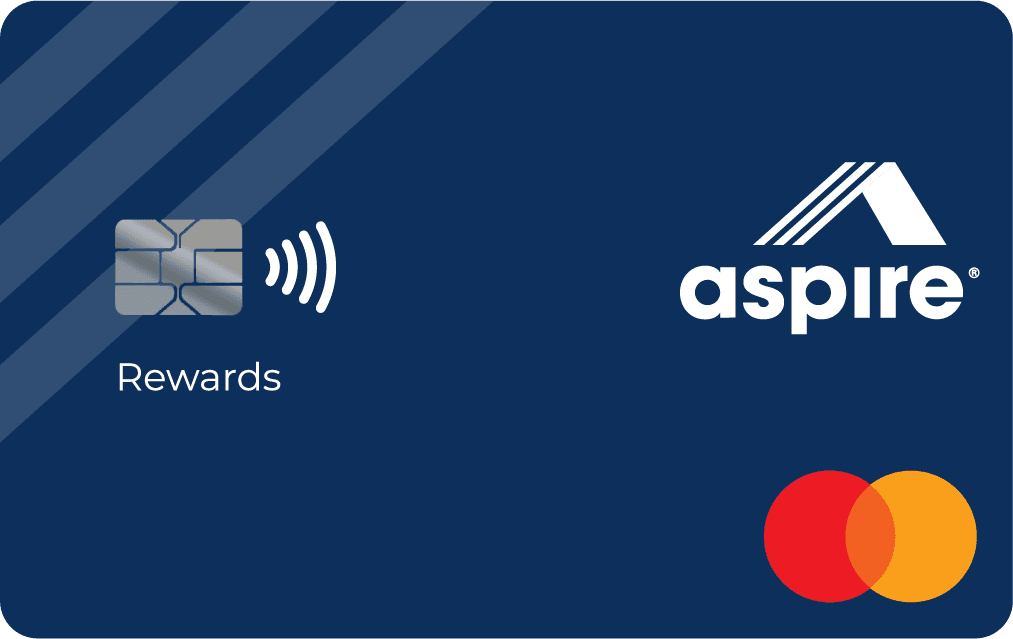
Aspire® Cash Back Rewards Mastercard
Aspire® Cash Back Rewards Mastercard. Prequalify* For Up To $1000 Credit Limit. No security deposit. Packed with great benefits, it’s designed to give you more flexibility—and purchasing power—along with up to 3% cash back rewards!** Good anywhere Mastercard is accepted, it’s the go-to card for any lifestyle.
Standout feature
Up to 3% cashback rewards**
Fees
$85–$175 first year, $229 thereafter (maintenance fees already included)
Pros
No Deposit Required. Prequalify* for up to $1000 credit limit
Cons
High APR, 36% Fixed.
Another route for building credit while you shop is a card like the Perpay Credit Card, which ties spending to a structured payment approach that some people find easier to manage. It reports to the credit bureaus, which is the key feature for building history over time.
Perpay Credit Card
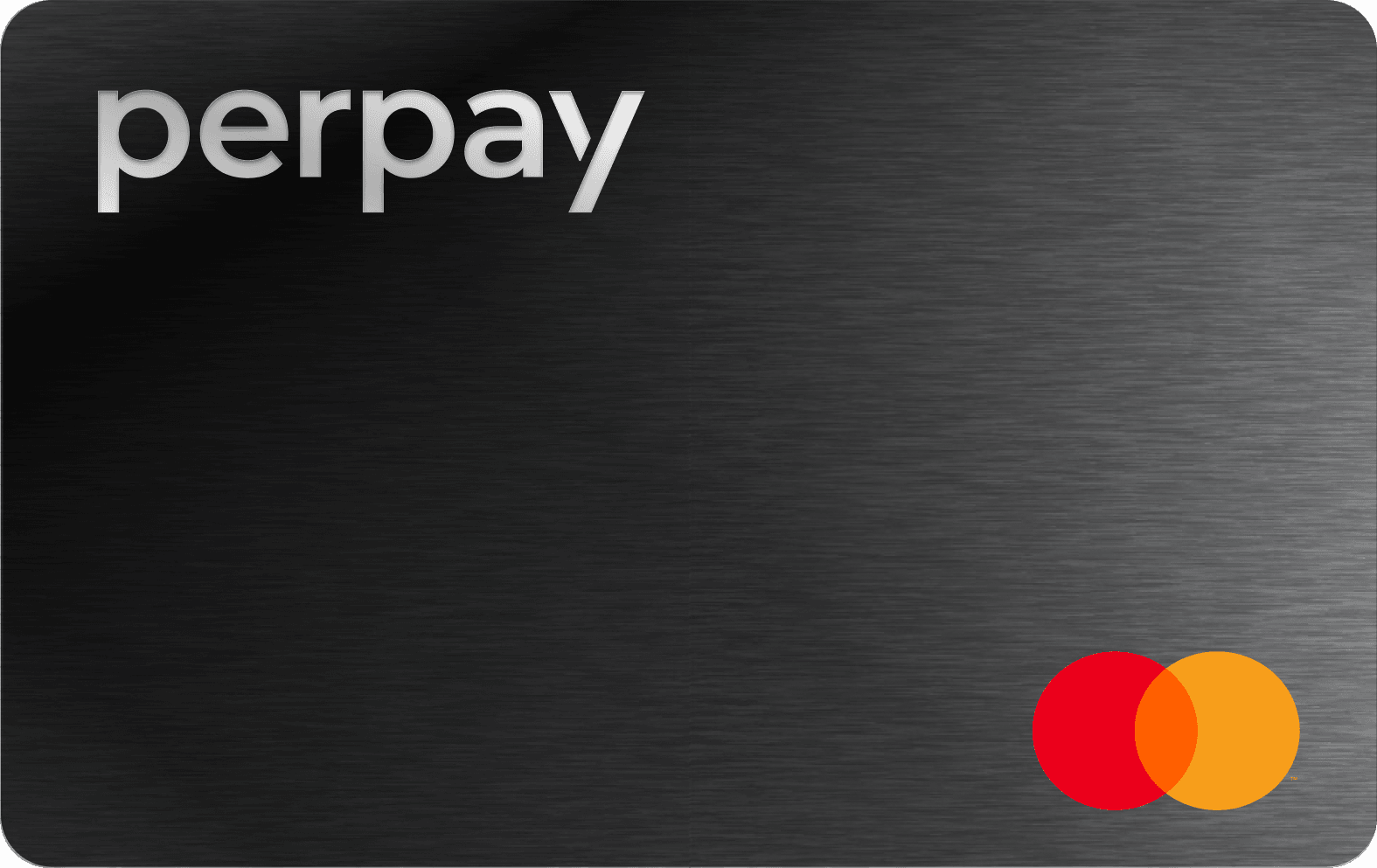
Perpay Credit Card
Meet the only card powered by your paycheck. With automatic transfers from your paycheck, you can manage payments stress-free and build credit with ease.
Fee
$9/month plus $9 account opening fee
APR
Marketplace: 0% / Credit Card: 27.74% to 29.99% depending on your creditworthiness.
Minimum Deposit Amount
$0
Credit Check
No
Cashback
2% reward on purchases made in Perpay Marketplace
Benefit
2% rewards, no security deposit
If you prefer a mobile-first experience with tools that focus on responsible use, the Arro Card is another starter option worth a look. Cards like these will not out-earn the Freedom Unlimited or Double Cash, but they can help you reach the credit level those cards require. Approval, terms, and credit limits vary by applicant, and APRs vary by creditworthiness.
Arro Card
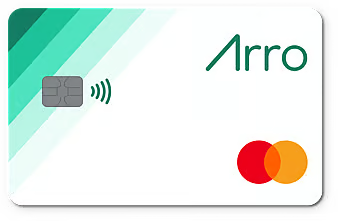
Arro Card
No deposit. No hard credit check. Start with up to $300 and grow your credit line to $2,500 by completing in-app tasks. Earn 1% cash back on gas and groceries — including Walmart and Target.
Standout feature
Unsecured — no deposit required
Fees
up to $60/ year
Pros
1% cash back on gas & groceries
Cons
Starting credit limit: $50–$300
Which Card Wins?
There is no single winner, because the best card depends on how you spend. Choose the Citi Double Cash if you want the simplest possible rewards, a flat 2% on everything, and a longer 0% balance transfer window. It is the low-effort, high-consistency pick.
Choose the Chase Freedom Unlimited if you spend heavily on dining or book travel through Chase, want a 0% intro APR that also covers new purchases, or plan to pair it with other Chase cards down the road. Its bonus categories and easy welcome bonus can tip the math in its favor for the right spender. Whichever you pick, pay the balance in full each month so interest does not eat your rewards. This article is for general information and is not financial advice.
Frequently Asked Questions
Is a Chase or Citibank card better for cash back?
It depends on your spending. The Citi Double Cash pays a flat 2% on everything, which is simple and strong for broad spenders. The Chase Freedom Unlimited pays more in categories like dining, drugstores, and Chase travel, so heavy spenders in those areas may earn more. Compare your habits to each card's structure.
Do the Chase Freedom Unlimited and Citi Double Cash have annual fees?
No. As of July 2026, both cards charge a $0 annual fee, which makes either one reasonable to keep long term. You should still review other costs, such as foreign transaction fees near 3% and balance transfer or late fees, on each issuer's current terms page before applying.
What credit score do I need for these cards?
Both cards generally target applicants with good to excellent credit, often a FICO score of about 690 or higher. Approval is never guaranteed and depends on your full credit profile and income. If your score is lower, a credit-building card may be a better first step toward qualifying later.
Can I have both a Chase and a Citibank card?
Yes, many people carry cards from more than one issuer. Holding both the Freedom Unlimited and the Double Cash lets you use bonus categories on one and a flat 2% rate on the other. Just be mindful of managing multiple due dates and never spending more than you can pay off in full.
This article is for general information and is not financial advice. APRs vary by creditworthiness, and terms and conditions apply. Confirm current rates, fees, and offers directly with Chase and Citibank before applying.




