Few cash-back cards get talked about as much as the Chase Freedom Flex. It pairs 5% back in rotating categories, a $0 annual fee, a $200 welcome bonus, and a long intro APR window. That is a lot of value in one no-fee card. It is also built for people with solid credit, so it is worth understanding both what it offers and whether you are ready for it.
Key Facts at a Glance
| Issuer | Chase (JPMorgan Chase Bank, N.A.) |
| Network | Mastercard (usable anywhere) |
| Annual fee | $0 |
| Purchase APR | 0% intro for 15 months, then 18.24%-27.74% variable |
| Penalty APR | Up to 29.99% variable |
| Rewards | 5% rotating categories (up to $1,500/qtr), 5% Chase Travel, 3% dining & drugstores, 1% else |
| Welcome bonus | $200 after $500 spend in first 3 months |
| Foreign transaction fee | 3% |
| Credit score | Typically 700+ (good to excellent) |
| Reported credit limit | Typically $500 minimum; reported averages run much higher |
| Reports to | Experian, TransUnion, Equifax |
All figures as of June 2026. Confirm current terms on Chase's website before applying.
What Is the Chase Freedom Flex?
The Chase Freedom Flex is a no-annual-fee cash-back credit card issued by Chase (JPMorgan Chase Bank, N.A.). Its signature feature is rotating bonus categories: every quarter, certain spending categories earn an elevated cash-back rate once you activate them.
It is a Mastercard, so it works almost everywhere, and it folds into the broader Chase Ultimate Rewards ecosystem, which lets you pool points with other Chase cards. Chase reports to all three major bureaus (Experian, TransUnion, and Equifax). For organized spenders who like to optimize, it can be a powerful everyday card.
Welcome Offer
As of June 2026, new cardholders can earn a $200 bonus after spending $500 on purchases in the first three months from account opening. That is an easy threshold for most budgets and a strong return for a card with no annual fee. Welcome offers change, so confirm the current bonus on Chase's website before you apply.
Cash-Back Categories and Redemption
As of June 2026, the card earns 5% cash back on up to $1,500 in combined purchases in activated rotating categories each quarter, 5% on travel booked through Chase Travel, 3% on dining at restaurants and at drugstores, and 1% on everything else. Cash back is earned as Chase Ultimate Rewards points worth 1 cent each (100 points = $1), with no caps on the lower-tier rates and no expiration as long as the account stays open. You can redeem for statement credit, direct deposit, gift cards, or travel.
The quarterly categories change throughout the year. In Q2 2026, the bonus categories were Amazon, Whole Foods Market, Chase Travel, and donations to Feeding America. You have to activate each quarter to earn the 5%, so a calendar reminder helps. If dining is your biggest category, the Capital One Savor earns unlimited cash back on dining without any quarterly activation. Check Chase's website for current quarterly categories and activation deadlines.
The Activation Catch
The 5% rate only applies after you activate, and only up to $1,500 in spending per quarter. After that cap, those categories drop to 1%. If you would rather set it and forget it, a flat-rate card, or a steady-category card like the Costco Anywhere Visa that needs no quarterly activation, might suit you better.
APR and Fees
As of June 2026, there is no annual fee and no monthly maintenance fee, which makes the card easy to keep long term. It charges a 3% foreign transaction fee, so it is not ideal for travel abroad. Late payments cost up to $40.
On interest, the card offered a 0% intro APR for 15 months on purchases and balance transfers as of June 2026, after which a variable APR of 18.24% to 27.74% applies. Balance transfers cost an intro $5 or 3% (whichever is greater), then 5% or $5. A penalty APR of up to 29.99% can apply if you fall behind. APRs vary by creditworthiness. The intro period can help with a planned large purchase, but the everyday APR is high enough that carrying a balance long term gets expensive. Pay in full each month to dodge that 18.24%-27.74% interest entirely.
What Credit Do You Need for the Chase Freedom Flex?
The Chase Freedom Flex is an unsecured card that typically requires good to excellent credit for approval. Reported approvals cluster around a 700+ FICO score, and applying with a thin or recovering file may lead to a denial plus a hard inquiry that can ding your score slightly. The application uses a hard pull, not a soft pre-qualification. Approved starting limits are typically at least $500, with community-reported averages running considerably higher for strong profiles. It helps to understand how credit card inquiries affect your score before you apply.
Chase also tends to apply its informal 5/24 rule, meaning if you have opened five or more credit cards across all issuers in the past 24 months, you are likely to be declined.
Pros and Cons
The strengths are clear: no annual fee, a $200 welcome bonus, 5% rotating categories, 3% on dining and drugstores, and access to the Chase Ultimate Rewards ecosystem. The trade-offs are the $1,500 quarterly cap, the need to activate each quarter, a 3% foreign transaction fee, and a high ongoing APR if you carry a balance. The 5/24 rule can also block applicants who have opened several recent cards.
Not in the Score Range Yet?
If the Chase Freedom Flex is out of reach for now, that is normal. Cards like the Freedom Flex want to see clean on-time history first. The Self Visa Credit Card is one simple way to build it, backed by your own savings, reporting to all three bureaus, with high approval odds.
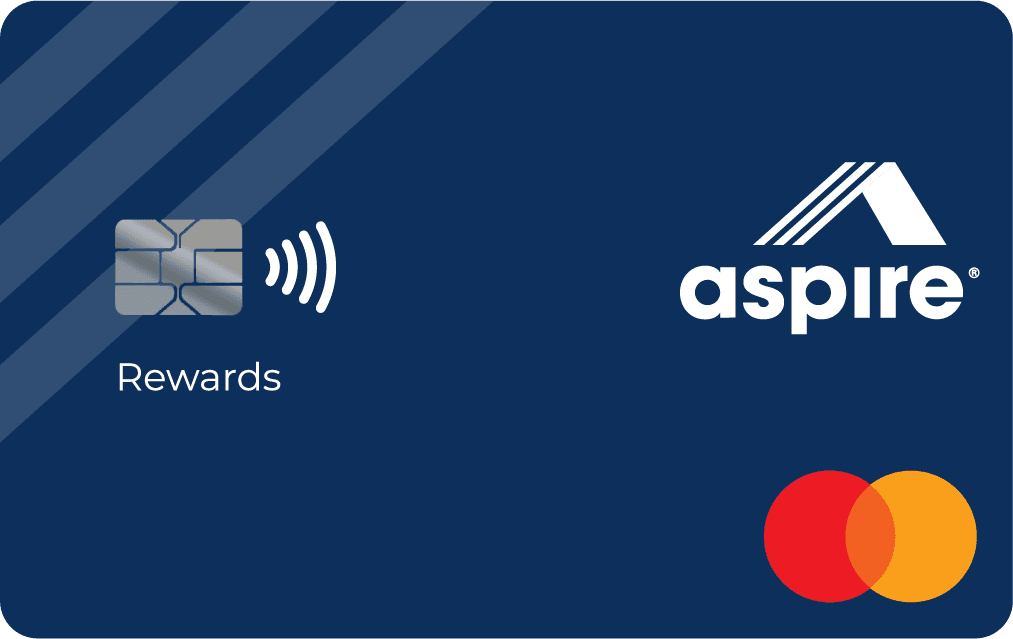
Worried about approval, or not in the score range yet? The Aspire Mastercard is a common stepping-stone: unsecured, no security deposit, accepts 580+ FICO, reports to all three bureaus, and pays up to 3% cash back, so you can use it anywhere while you build toward this card.
Aspire® Cash Back Rewards Mastercard
Aspire® Cash Back Rewards Mastercard
Aspire® Cash Back Rewards Mastercard. Prequalify* For Up To $1000 Credit Limit. No security deposit. Packed with great benefits, it’s designed to give you more flexibility—and purchasing power—along with up to 3% cash back rewards!** Good anywhere Mastercard is accepted, it’s the go-to card for any lifestyle.
Standout feature
Up to 3% cashback rewards**
Fees
$85–$175 first year, $229 thereafter (maintenance fees already included)
Pros
No Deposit Required. Prequalify* for up to $1000 credit limit
Cons
High APR, 36% Fixed.
Firstcard helps you compare these credit-building paths in plain English, and you can track your score for free with Creditship.ai as it climbs.
Who Should Get the Chase Freedom Flex?
The Chase Freedom Flex is a great fit if you have good to excellent credit, pay your balance in full each month, and enjoy optimizing rotating categories. The combination of 5% categories, the $200 bonus, and no annual fee is hard to beat for engaged spenders.
It is a poor fit if you are still building credit, do not want to track quarterly activations, or expect to carry a balance. In those cases, a credit-builder card like the Self Visa Credit Card is the right starting point.
Frequently Asked Questions
Does the Chase Freedom Flex have an annual fee?
No. As of June 2026, the Chase Freedom Flex has a $0 annual fee and no monthly maintenance fee, which makes it easy to keep long term, even in quarters when you do not maximize the bonus categories.
What is the Chase Freedom Flex welcome bonus?
As of June 2026, new cardholders can earn a $200 bonus after spending $500 on purchases within the first three months from account opening. Welcome offers change over time, so verify the current bonus on Chase's website before applying.
Do I have to activate the Chase Freedom Flex categories?
Yes. The 5% rotating categories require activation each quarter, and the bonus applies only up to $1,500 in combined spending per quarter. After that cap, those categories earn 1%. Setting a calendar reminder helps you avoid missing the deadline.
What credit score and limit can I expect with the Chase Freedom Flex?
Approvals are typically reported around a 700+ FICO score, and the application uses a hard pull. Approved starting credit limits are typically at least $500, with reported averages running higher for strong profiles. APRs run 0% intro for 15 months, then 18.24% to 27.74% variable, with a penalty APR up to 29.99%.