A Classic Balance-Transfer Card Returns
If you have been carrying credit card debt, a long stretch with no interest can feel like a lifeline. That is exactly what the Chase Slate card is built to offer, and in 2026 it came back with one of the longer intro offers around.
The Chase Slate is a balance-transfer focused credit card issued by JPMorgan Chase Bank, N.A. It was discontinued in 2020, then reintroduced in early 2026, replacing the Chase Slate Edge for new applicants. Below we cover the current status of both cards, the exact balance transfer terms, and what to do if you need a card that also builds credit.
Key Facts at a Glance
| Issuer | JPMorgan Chase Bank, N.A. |
| Network | Visa (open-loop, usable anywhere Visa is accepted) |
| Annual fee | $0 |
| Intro APR | 0% for 21 months on purchases and balance transfers |
| Go-to APR | 18.24%-28.24% variable |
| Balance transfer fee | Applies per Chase terms (widely reported as $5 or 5%, whichever is greater) |
| Foreign transaction fee | Not stated on the marketing page; confirm in pricing and terms |
| Rewards | None (no cash back or points) |
| Welcome bonus | No cash bonus; value is the 0% intro APR |
| Credit score | Typically good to excellent (~700+) |
| Reports to | Experian, TransUnion, Equifax |
Figures are as of June 2026 and can change.
Chase Slate Status in 2026
Here is the key update. The Chase Slate Edge stopped taking new applicants in early 2026, and the reintroduced Chase Slate took its place. Existing Slate Edge cardholders can still use their accounts, but new applicants are routed to the current Slate.
The reintroduced Slate leans hard into debt paydown. Per Chase's own product page, as of June 2026 it carries a 0% intro APR for 21 months on both purchases and balance transfers, longer than the 18 months the old Slate Edge offered. After the intro period, a variable APR of 18.24% to 28.24% applies. A balance transfer fee applies (widely reported as $5 or 5% of each transfer, whichever is greater; confirm the exact amount in Chase's pricing and terms). There is no annual fee and no rewards program. The card adds Chase Offers, 6 months of complimentary DashPass (activate by December 31, 2027), and up to $10 off quarterly on non-restaurant DoorDash orders, plus free credit-score access through Chase Credit Journey. It runs on the Visa network, so it works anywhere Visa is accepted, and Chase reports to all three major bureaus.
Why Verify Before You Apply
This new-cardmember offer is available if you do not already have the Slate and have not received a new-cardmember bonus for it in the past 24 months. Card offers change, and intro periods, fees, and approval rules can shift. Confirm Chase's current Slate terms, intro APR length, and go-to APR before applying. Terms and conditions apply, and APRs vary by creditworthiness.
How a Balance Transfer Card Helps
The whole point of the Chase Slate is to give you a 21-month window with no interest so more of each payment goes toward your principal. If you move high-interest debt over with a balance transfer and pay it down before the intro period ends, you can save a meaningful amount.
The catch is that the Slate generally requires good credit, typically a FICO around 700 or higher, and the balance transfer fee adds upfront cost. Chase does not publish a fixed starting credit limit; reported limits scale with your income and score. If your score is still climbing, you may not qualify yet.
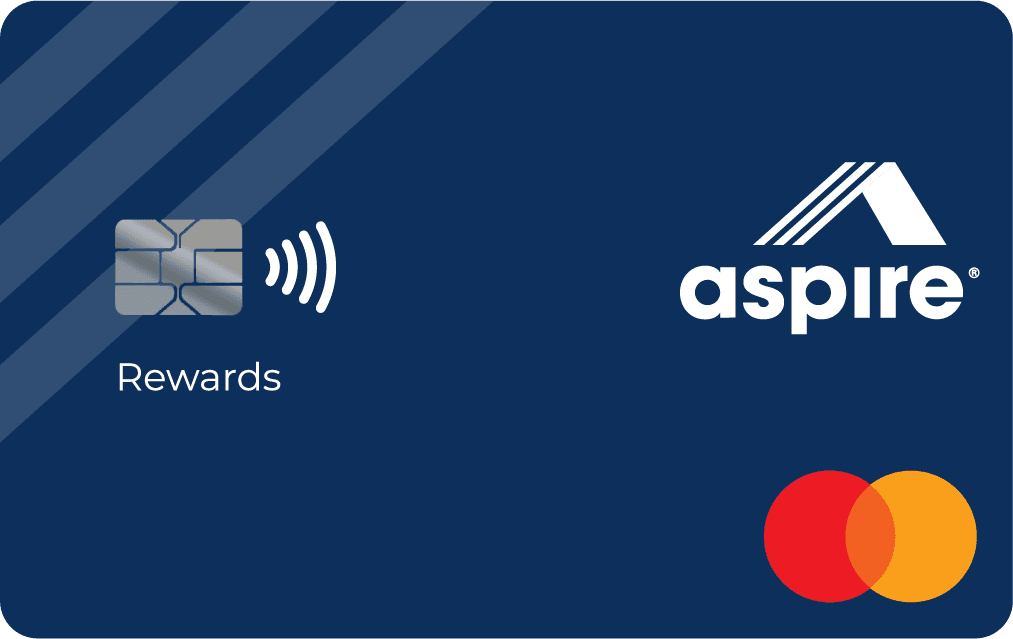
If that is your situation, an unsecured card built for credit building can be a better starting point. The Aspire Cash Back Rewards Mastercard is aimed at people with limited or rebuilding credit and reports your activity, helping you grow toward cards like the Slate.
Aspire® Cash Back Rewards Mastercard
Aspire® Cash Back Rewards Mastercard
Aspire® Cash Back Rewards Mastercard. Prequalify* For Up To $1000 Credit Limit. No security deposit. Packed with great benefits, it’s designed to give you more flexibility—and purchasing power—along with up to 3% cash back rewards!** Good anywhere Mastercard is accepted, it’s the go-to card for any lifestyle.
Standout feature
Up to 3% cashback rewards**
Fees
$85–$175 first year, $229 thereafter (maintenance fees already included)
Pros
No Deposit Required. Prequalify* for up to $1000 credit limit
Cons
High APR, 36% Fixed.
If you do not yet qualify for the Slate and want a structured way to build payment history, the Self Visa Credit Card pairs a Credit Builder Account with a secured card and reports to all three bureaus. Pairing steady payments with a debt-paydown plan can move you toward stronger credit and better card offers like the Slate.
Other Cards to Consider
A balance transfer card is one tool, but it is not the only way to manage your money. If your credit is already strong and you want spending, saving, and tracking bundled together, a card linked to a broader financial platform can fit.
Robinhood offers a card connected to its investing and banking tools, which can appeal if you want everything in one app. Unlike the Slate, it earns flat cash back but does not offer a 0% intro APR, so it is a rewards play rather than a debt-paydown tool. Before you apply for any card, know your numbers. A free tool like Creditship.ai shows your credit score and what is driving it, so you target offers you can actually qualify for.
Robinhood

Robinhood
Robinhood is a trading platform that brings stocks, ETFs, options, futures, prediction markets, crypto, and retirement accounts together in one app.
Standout feature
One platform for stocks, ETFs, options, futures, prediction markets, and crypto
Fees
$0 commission on stocks, ETFs, and options.
Pros
Zero-commission trading on stocks, ETFs, and options
Cons
Best perks (high APY, lower margin rates) require Gold subscription ($5/month)
Making the Most of the Slate's 0% Window
If you qualify for the Chase Slate, make a payoff plan before you transfer. Divide your balance by 21 months so you know the monthly target to clear it interest-free before the 18.24% to 28.24% variable rate kicks in.
The 0% intro rate covers purchases for the same 21 months, but new spending still eats into your payoff progress, so be deliberate. Do not miss a payment, which can put your account in default and affect your standing. Treat the intro window as a deadline, not a break.
The Bottom Line
The Chase Slate is back in 2026 with a 0% intro APR for 21 months on purchases and balance transfers, no annual fee, no rewards, and a balance transfer fee, replacing the discontinued Slate Edge for new applicants. It is a solid debt-paydown tool for people with good credit (around 700+). If you are still building, start with an unsecured or credit-building card and work toward qualifying.
Frequently Asked Questions
Is the Chase Slate still available?
Yes. The Chase Slate was reintroduced in early 2026 and replaced the Chase Slate Edge for new applicants. Existing Slate Edge cardholders can keep using their accounts.
What happened to the Chase Slate Edge?
The Chase Slate Edge stopped taking new applicants in early 2026. The reintroduced Chase Slate took its place, though current Slate Edge holders can still use their card.
What is the Chase Slate balance transfer offer?
Per Chase's product page, as of June 2026 the Slate offers a 0% intro APR for 21 months on purchases and balance transfers, then a variable 18.24% to 28.24% APR. A balance transfer fee applies (widely reported as $5 or 5%, whichever is greater); confirm the exact amount in Chase's pricing and terms. There is no annual fee.
What credit score do you need for the Chase Slate?
The Slate generally requires good to excellent credit, typically a FICO around 700 or higher. Chase does not publish a fixed credit limit; reported limits scale with income and score. Approval and your APR depend on your creditworthiness, so check your score before applying to avoid an unnecessary hard inquiry.