You use one almost every day, whether you swipe a debit card, get paid, or pay a bill online. Yet many people have never seen a plain definition of what a checking account actually is.
A checking account is a bank or credit union account built for everyday money, letting you deposit funds and take them out often through debit cards, checks, transfers, and cash withdrawals. This article explains that definition in full, how a checking account works, and how it differs from other accounts.
Checking Account Definition
At its core, a checking account is a deposit account you use for day-to-day spending. You put money in, and you can take it out as often as you need with no limit on the number of everyday transactions.
Banks and credit unions offer them. Your money is usually protected by FDIC insurance at a bank, or NCUA insurance at a credit union, up to $250,000 per depositor. That protection means your covered balance is safe even if the institution fails.
How a Checking Account Works
Money flows in and out of a checking account in several ways. Deposits can come from a paycheck through direct deposit, a cash or check deposit at a branch or ATM, or a transfer from another account.
Taking money out is just as flexible. You can pay with a debit card, write a paper check, send an online or app-based transfer, set up automatic bill payments, or withdraw cash at an ATM. The account keeps a running balance that updates as each transaction clears.
What Makes Checking Different From Savings
The main difference is purpose. A checking account is designed for frequent spending and easy access, while a savings account is built to hold money you do not touch often and to earn interest.
Savings accounts sometimes limit how many withdrawals you can make per month, and they usually pay more interest. Many checking accounts pay little or no interest because the trade-off is constant access to your cash. A common approach is to keep spending money in checking and set aside longer-term money in savings.
Common Features of a Checking Account
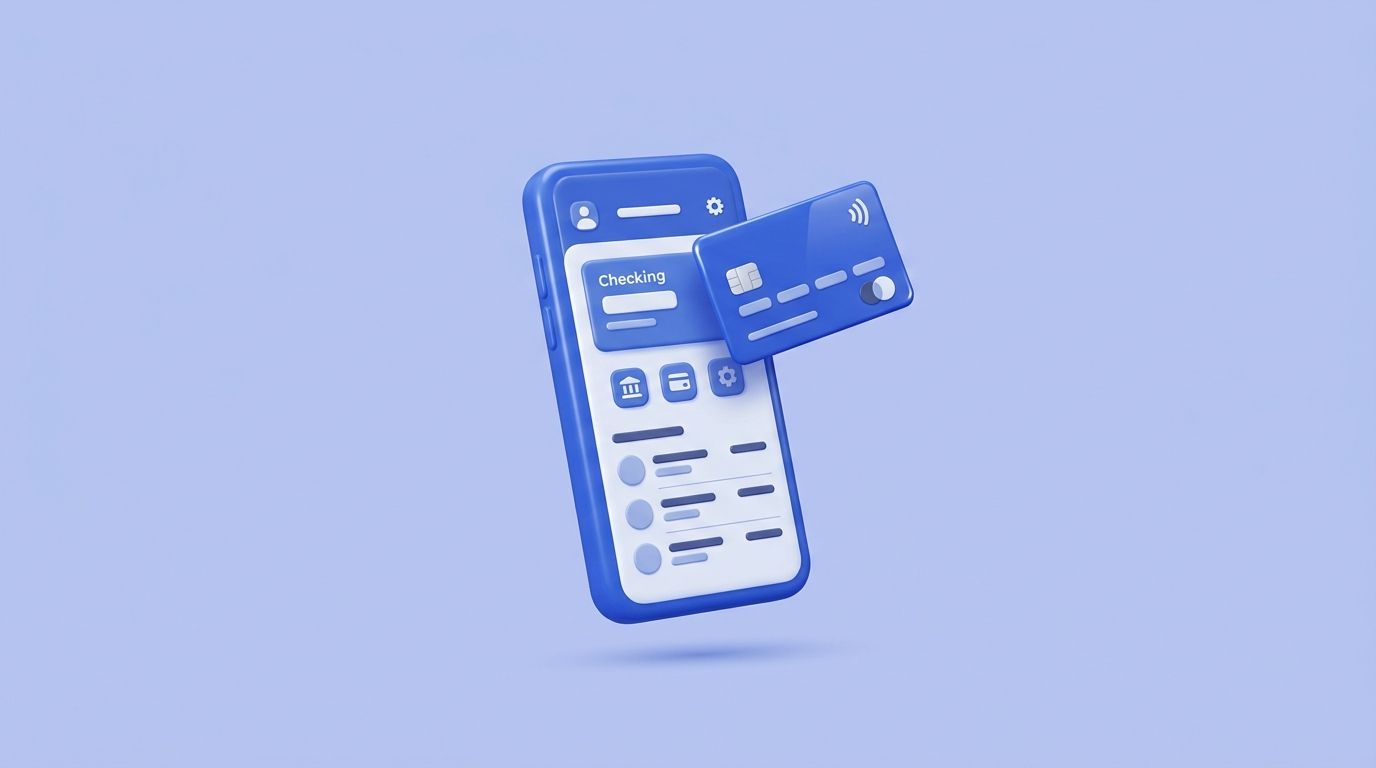
Most checking accounts share a set of standard tools. A debit card lets you spend directly from the account and pull cash from ATMs.
Online and mobile banking let you check your balance, move money, and deposit checks with your phone camera. Bill pay schedules recurring or one-time payments, and account alerts can warn you about low balances or large charges. Some accounts also offer overdraft protection, which can cover a payment that exceeds your balance, sometimes for a fee.
Fees to Watch For
Checking accounts can carry costs, so it helps to read the fee schedule. A monthly maintenance fee is common, though many accounts waive it if you set up direct deposit or keep a minimum balance.
Overdraft fees apply when you spend more than your balance, and an out-of-network ATM fee applies at machines outside your bank's network. Some accounts charge for paper statements or outgoing wire transfers. Comparing fees before you open an account can save you real money over a year.
Choosing a Checking Account
Many people now compare online-friendly accounts that skip monthly fees and add early-payday features. Current is one option that offers a mobile-first checking experience and tools aimed at helping you manage spending and access direct deposits sooner.
Current Banking

Current Banking
Current is a mobile-first banking app with no monthly fee and no minimum balance. Members can earn up to 4.00% APY with a qualifying direct deposit of $200, receive direct-deposit paychecks up to 2 days early, and overdraft up to $200 fee-free.
Standout feature
4.00% APY on Savings Pods (with a $200+ qualifying direct deposit) plus paycheck up to 2 days early — both included on the standard account for free
Fees
Free
Pros
$0 monthly fee; up to 4.00% APY on Savings Pods with qualifying direct deposit; paycheck up to 2 days early;
Cons
No physical branches
Chime is another popular choice, known for a fee-light account structure and features like early direct deposit and automatic savings round-ups. As with any account, read the terms so you understand which services are free and which carry a fee. Terms and conditions apply.
Chime

Chime
- Fee-free banking plus early pay access - Overdraft up to $200 without fees - 5% cash back and build credit everyday. - 3.75% APY on your savings.
Standout feature
No credit check, no interest, no annual fee, and no minimum deposit required.
Fees
$0
Pros
Fee-Free Banking and Get paid up to 2 days early
Cons
App/online-only support, no branches
How to Open a Checking Account
Opening an account is usually quick. You provide a government-issued ID, your Social Security number or taxpayer ID, and basic personal details like your address and date of birth.
Many banks let you open an account online in minutes, while others require a branch visit. You may need a small opening deposit, though some accounts have no minimum. Once open, set up direct deposit and online banking to get the most from the account.
Who Should Use a Checking Account
Just about anyone who earns and spends money can benefit from a checking account, and there are plenty of reasons to open a checking account. It is the hub that connects your paycheck, your bills, and your everyday purchases in one place.
If you are choosing your first account, focus on low or no fees, easy access to ATMs, and a solid mobile app. The right account keeps your money safe, easy to reach, and simple to manage.
Frequently Asked Questions
What is the simple definition of a checking account?
A checking account is a deposit account at a bank or credit union used for everyday money. You can deposit funds and withdraw them often through a debit card, checks, transfers, and ATM withdrawals, with no limit on routine transactions.
Is a checking account the same as a debit card?
No. A checking account holds your money, while a debit card is one tool that lets you spend from that account. The card is linked to the account, but the account also works through checks, transfers, and online bill pay.
Does a checking account earn interest?
Most traditional checking accounts pay little or no interest because they are built for frequent access rather than growth. Some accounts, often called interest or high-yield checking, do pay interest but may require a higher balance or more activity. Savings accounts usually pay more.
Is money in a checking account safe?
Yes, within limits. Funds at an FDIC-insured bank or an NCUA-insured credit union are protected up to $250,000 per depositor, per institution. That coverage keeps your insured balance safe even if the bank or credit union fails.