You are checking out at Ann Taylor, Victoria's Secret, or Pottery Barn when the cashier offers you 20% off your purchase today if you open a store credit card. That card is probably a Comenity card. Comenity Bank, a subsidiary of Bread Financial, issues more than 170 store-branded credit cards in the U.S. — one of the largest store card portfolios of any issuer. Understanding what a Comenity card actually is — and is not — before you sign at the register can save you significant money in interest charges.
What Is Comenity Bank?
Comenity Bank is a Delaware-chartered bank that specializes in co-branded and private-label store credit cards. It is a wholly owned subsidiary of Bread Financial (formerly Alliance Data Systems). Comenity partners with retailers across fashion, furniture, beauty, outdoor gear, and home goods to offer branded credit cards that reward loyal shoppers.
As of 2026, Comenity (including its sister entity Comenity Capital Bank) partners with over 170 retailers. Well-known brands include Victoria's Secret, Lane Bryant, Pottery Barn, Restoration Hardware (RH), Kay Jewelers, Zales, Ulta Beauty, Williams-Sonoma, and many more. Synchrony Bank is Comenity's primary competitor in the store card market. If you are looking at a Synchrony-issued card instead, the Synchrony HOME credit card is one of Synchrony's more flexible options, covering thousands of home retailers rather than a single brand.
Closed-Loop vs Open-Loop Comenity Cards
Not all Comenity cards are equal in where they can be used. This distinction is the most important thing to understand before applying.
Closed-loop (store-only) cards: These carry no Visa or Mastercard logo. They can only be used at the specific retailer (and its family of brands). If you have a Victoria's Secret store card, you cannot use it at a restaurant or gas station. These cards often offer the highest store rewards but have the most limited acceptance.
Open-loop cards (Visa or Mastercard): Some Comenity cards carry a Mastercard or Visa logo. These work anywhere Visa or Mastercard is accepted, not just at the sponsoring retailer. Examples include the Comenity Mastercard and various co-branded Mastercard products from Comenity's retail partners. Open-loop cards trade slightly lower store-specific rewards for much wider usability.
Always check which type you are being offered at the register — the cashier may not volunteer this distinction. For a side-by-side look at how an open-loop Amazon Visa compares to a closed-loop Amazon store card, the Amazon Visa card vs store card breakdown illustrates exactly what you gain or lose on acceptance when you choose open-loop over closed-loop.
APR: The Biggest Risk
Comenity cards carry some of the highest APRs in the consumer credit card market. As of June 2026:
- Most Comenity store-only cards carry a variable purchase APR typically around 27% to 29.99%
- The Comenity Mastercard has a reported APR range of 23.24% to 30.24% variable
- The ALL Rewards Mastercard (a Comenity product) carries a variable APR of approximately 26.49%
These rates sit well above the national average credit card APR. A $500 balance on a 29.99% APR Comenity card, carried for 12 months making minimum payments, costs roughly $130 to $150 in interest — easily erasing any one-time sign-up discount. Comenity cards are best used if you pay the full balance every statement cycle. APRs vary by creditworthiness, and terms and conditions apply. For context on how those minimum payment dynamics work, see do you get charged interest if you pay minimum balance.
Fees: Usually No Annual Fee
One genuine advantage of most Comenity store cards is no annual fee. Unlike many rewards cards that charge $95 to $550 per year, Comenity store cards typically cost nothing to hold. This makes them low-risk to keep open (for credit history length) even after you stop using the card regularly — as long as there is no inactivity fee, which varies by card. Check the specific card agreement for inactivity, paper statement, and returned payment fee disclosures.
Deferred Interest: Read the Fine Print
Many Comenity cards offer promotional financing like "0% for 12 months" on big purchases. This sounds like a 0% APR deal, but it is typically deferred interest — a very different product. With deferred interest, if you do not pay the entire promotional balance in full before the promotional period ends, you owe all of the interest that would have accrued from day one — not just on the remaining balance.
For example: you put $1,200 on a Comenity card with 12-month deferred interest at 29.99%. You pay $100 per month and have $0 left by month 12 — you owe nothing extra. But if you still owe $50 at month 12, you may be charged interest on the full original $1,200 back to day one. Deferred interest financing is common on furniture, jewelry, and appliance store cards from Comenity. The Jared The Galleria of Jewelry credit card is one example of a jewelry store card with similar deferred-interest financing terms worth reviewing before signing at the counter.
Customer Service: A Consistent Complaint
Comenity and Bread Financial receive a high volume of consumer complaints related to customer service, billing disputes, and payment processing delays. The CFPB (Consumer Financial Protection Bureau) complaint database lists hundreds of Comenity-related complaints annually, with recurring themes including late-payment errors and difficulty resolving billing discrepancies. If you hold a Comenity card, set up autopay for at least the minimum payment to avoid processing-delay issues that trigger late fees.
When a Comenity Card Makes Sense
Comenity store cards make the most sense when:
- You shop frequently at a specific retailer and the store rewards outweigh the APR risk
- You always pay your balance in full every month (so the high APR never applies)
- You want to use a promotional offer for a large purchase and are certain you will pay it off before the deferred interest period ends
- You want to lengthen your credit history by holding a no-annual-fee card long-term
They make the least sense when you plan to carry a balance, use deferred interest without a plan to pay in full, or want a card usable at multiple retailers. If open-loop rewards are what you want, the Synchrony Premier World Mastercard is a flat 2% cash-back Mastercard from Synchrony — Comenity's main competitor — that works everywhere without a retailer tie-in.
Alternatives: Building Credit Without Store-Card Risks
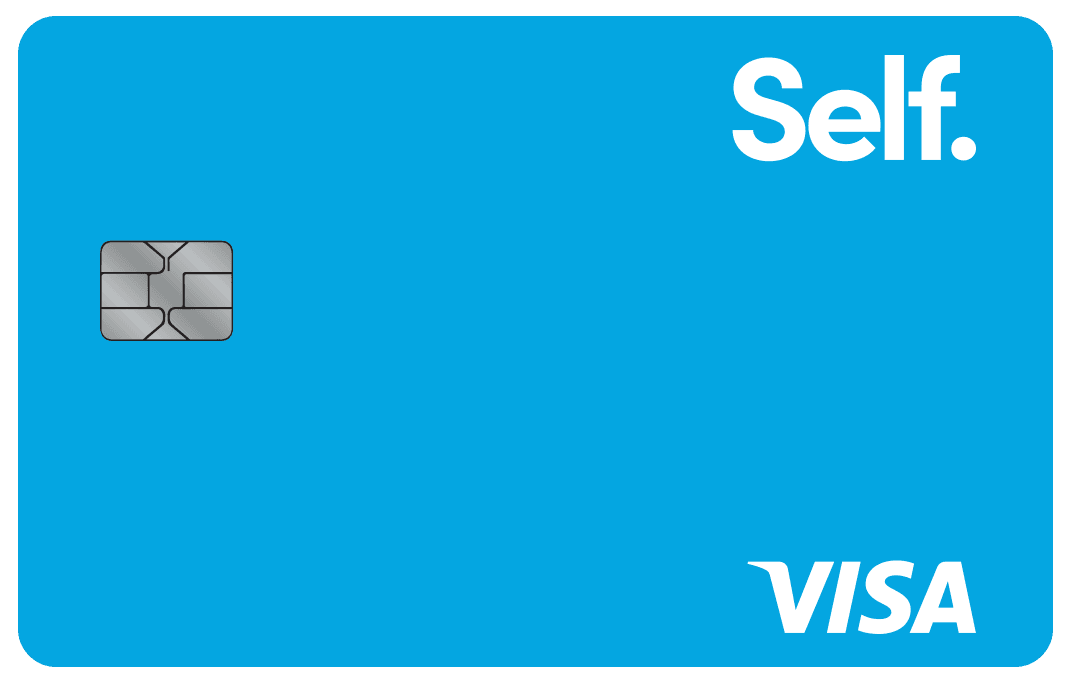
If approval is a concern, a credit-builder card offers broader acceptance and typically lower APRs than a closed-loop store card. The Self Visa Credit Card pairs a credit-builder installment loan with a secured Visa card — usable anywhere Visa is accepted, with payments reported to all three major bureaus. Unlike a Comenity closed-loop card, you can use the Self Visa at any merchant.
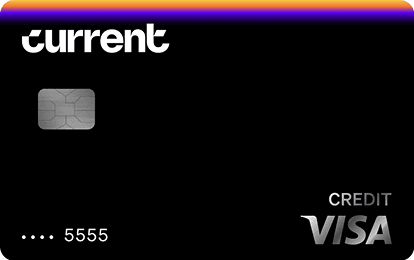
For a no-annual-fee secured card with no hard credit pull required, the Current Build Card lets you set your own credit limit based on a deposit held in your Current account. It reports to all three credit bureaus and works anywhere Visa is accepted — a significant upgrade in acceptance over any closed-loop Comenity store card.
Current Build Card
Current Build Card
$0 annual fee. No minimum deposit required. No credit check required. 1 point per dollar on eligible categories. Reports to Experian, TransUnion, Equifax.
Fee
$0
APR
0%
Minimum Deposit Amount
$0
Credit Check
No
Cashback
1 point/dollar on eligible categories (with qualifying payroll deposit)
Benefit
No credit check, no deposit minimum
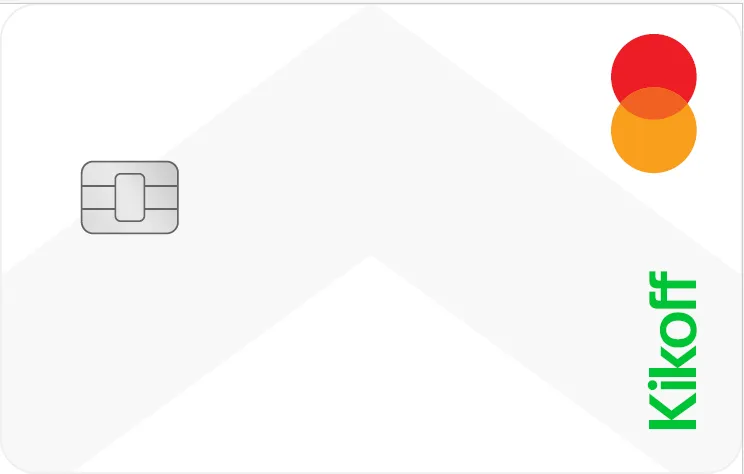
If you want to start building credit with a very low barrier to entry and no interest charges on your balance, the Kikoff Secured Credit Card offers a straightforward credit-building tool with no annual fee, no interest, and reports to all three major bureaus. It is a cleaner alternative to a high-APR store card for borrowers focused purely on building credit history.
Terms and conditions apply to all cards mentioned.
Kikoff Secured Credit Card
Kikoff Secured Credit Card
Kikoff Secured Credit Card works like a debit card & checking account and performs like a credit builder. Build credit with your everyday purchases.
APR
0%
Minimum Deposit Amount
$0
Credit Check
No
Cashback
Yes
Benefit
0% interest. No credit check.
Next Steps
If you are holding a Comenity card, check the APR in your card agreement and set up autopay for the full statement balance to avoid interest charges. If you are considering applying at a retailer checkout, ask whether the card is open-loop (Visa/Mastercard) or store-only, and request the Schumer Box with the full APR and fee disclosure before you sign. For deferred interest offers, calculate whether you can realistically pay the full balance before the promotional period ends — not just a portion of it.
Frequently Asked Questions
Is Comenity Bank a real bank?
Yes. Comenity Bank is a real, FDIC-insured bank chartered in Delaware. It is a wholly owned subsidiary of Bread Financial (formerly Alliance Data Systems). While it specializes in store credit cards rather than traditional banking products, your credit card account with Comenity is backed by a federally regulated bank.
How does deferred interest on Comenity cards work?
Deferred interest means the interest is calculated from day one of a promotional financing period but is not charged unless you have a remaining balance at the end of the promotional window. If you pay the full balance before the period ends, you pay no interest. If even $1 remains, you may owe interest on the entire original purchase amount going back to the date of purchase. This is different from a true 0% APR card, where only the remaining balance accrues interest after the promo period.
Can I use a Comenity store card anywhere?
It depends on the card. Closed-loop Comenity store cards — those without a Visa or Mastercard logo — can only be used at the sponsoring retailer and its affiliated brands. Open-loop Comenity cards (with a Visa or Mastercard logo) work anywhere that network is accepted. Always check which type you are signing up for before applying.
What credit score do I need for a Comenity card?
Comenity is known for approving applicants with fair or lower credit scores, sometimes as low as 580 to 620 for store-only cards. Open-loop Comenity Mastercard products may require slightly higher scores in the 620 to 660 range. Comenity typically performs a hard credit pull at application, which may temporarily lower your score by a few points.