
Paying your credit card in full every month is one of the smartest money habits you can build. It saves you interest and keeps you out of debt. So it feels natural to assume that credit utilization, the share of your credit limit you are using, stops mattering once you never carry a balance. It does not work that way.
Here is why utilization still shapes your score even when you owe nothing by the due date, and what you can do about it.
The Short Answer
Yes, credit utilization still matters if you pay in full. Your card issuer usually reports your balance to the credit bureaus on your statement closing date, not on your payment due date. If you had a balance when the statement closed, that balance gets reported even if you pay it off a few days later.
Credit utilization makes up about 30% of a FICO score. That is the second largest factor after payment history, so it is worth understanding.
How Credit Card Reporting Works
Your billing cycle has two key dates. The statement closing date is when your monthly statement is generated. The payment due date is usually about 21 to 25 days after that.
Most issuers send your balance to Experian, Equifax, and TransUnion right around the closing date. That snapshot becomes the balance that shows on your credit report for the month.
So if you charged $800 on a card with a $1,000 limit and the statement closed before you paid, your report can show 80% utilization. You might pay the full $800 a week later and owe zero interest, but the bureaus already recorded that high number.
Why Utilization Still Counts at Zero Interest
Interest and utilization are two separate things. Paying in full protects you from interest charges. It does not control what balance was reported.
FICO and VantageScore models look at the reported balance against your limit. A high reported figure can temporarily pull your score down, even for someone who never pays a cent of interest.
This matters most when timing is bad. If you apply for a mortgage, an auto loan, or a new card right after a big-spending month, a high reported balance could make your score look worse than your habits deserve.
What Counts as a Good Ratio
A common guideline is to keep utilization under 30%. Lower tends to be better. Many people with high scores keep overall utilization in the single digits.
Two numbers matter. Per-card utilization looks at each card on its own. Overall utilization looks at all your balances against all your limits combined. Both can affect your score, so a single maxed-out card can hurt even if your total usage is low.
Utilization also has no memory. Once a lower balance is reported, the prior month does not keep dragging you down. That is good news, because you can improve this factor quickly.
How to Lower Your Reported Utilization
You have a few practical options.
Pay before the statement closes. Make a payment a few days before your closing date so a smaller balance is reported. Some people call these micropayments or making multiple payments per month.
Ask for a higher credit limit. A larger limit lowers your ratio automatically, as long as you do not spend more.
Spread charges across cards. Keeping any single card well below its limit helps your per-card numbers.
Check your closing date. Log in or call your issuer to learn the exact date, then plan payments around it.
Building Credit With Thin or Damaged Files
Utilization tips only help if you already have credit reporting in your name. If your file is thin or your score is low, adding positive data matters more.
Self offers a credit builder account that reports installment payments to the major bureaus, which can help people establish a payment history over time. Because it is an installment product rather than a revolving card, it adds positive history without adding to your revolving utilization.
Deposit-Backed Cards That Keep Utilization Manageable
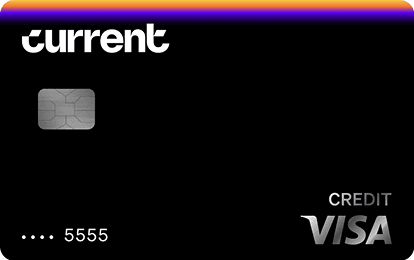
The Current Build Card takes a deposit-backed approach to credit building. Your own money helps set the spending limit, and on-time activity is reported to the bureaus. Because your limit is tied to what you move into the account, staying below it, and keeping utilization low, can be easier to manage.
Current Build Card
Current Build Card
$0 annual fee. No minimum deposit required. No credit check required. 1 point per dollar on eligible categories. Reports to Experian, TransUnion, Equifax.
Fee
$0
APR
0%
Minimum Deposit Amount
$0
Credit Check
No
Cashback
1 point/dollar on eligible categories (with qualifying payroll deposit)
Benefit
No credit check, no deposit minimum
A Secured Credit Builder Card Option
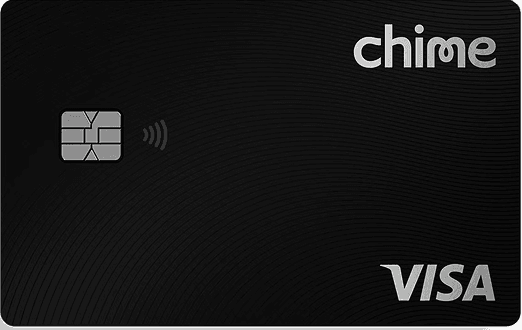
The Chime Secured Credit Builder card works on a similar deposit-backed model, reporting your on-time activity to the major bureaus. Because your spending is backed by money you move into the account, there is no traditional preset limit to max out.
None of these tools guarantee a specific score increase, and results vary by person. Still, for someone rebuilding, combining a low utilization habit with a product that reports positive history is a reasonable plan. Terms and conditions apply, and features can change.
Chime Card™
Chime Card™
Chime Card™ is Chime's secured credit card and has the reliable Chime credit-building features plus 5% cash back rewards on category of choice (with qualifying direct deposit) and access to cash at ATMs.¹
Fee
$0
APR
No interest
Minimum Deposit Amount
$0
Credit Check
No
Cashback
5% cash back rewards on category of choice (with qualifying direct deposit)
Benefit
Overdraft up to $200 without fees for eligible members.
What Users Commonly Report
People who track their scores often say the same thing. They pay in full, feel confused when their score dips, then realize the reported balance was high. Many describe a quick rebound once they start paying before the closing date. Others mention that a credit limit increase made the biggest difference with the least effort. These are general themes, and individual experiences differ.
Frequently Asked Questions
Does paying in full help my credit score at all?
Yes. Paying in full builds a strong payment history, which is the single biggest scoring factor. It also saves you interest. It simply does not control the balance that gets reported on your statement date.
Should I leave a small balance to build credit?
No. You do not need to carry a balance or pay interest to build credit. A small reported balance is fine, but leaving debt on purpose just costs you money without a scoring benefit.
How fast does utilization update on my report?
Usually within a month, after your next statement closes and your issuer reports again. Because utilization has no memory, a lower balance can improve this factor fairly quickly.
Will a credit limit increase hurt my score?
The limit increase itself lowers your utilization, which tends to help. Some issuers run a hard inquiry to approve an increase, which can cause a small, short dip, so it is worth asking how they handle it first.




