Flexible Savings Account Rollover: What Carries Over Each Year

July 4, 2026

The phrase flexible savings account rollover trips up a lot of people, and for good reason. There are two very different products that sound almost identical, and only one of them lets money carry over from one year to the next. Getting this wrong can cost you hundreds of dollars in forfeited funds.

This guide clears up the confusion. It explains what a flexible spending account rollover really is, how the health care version differs from a general savings account, and what rules decide whether your leftover money survives into the new year.

Two Things People Mean by This Phrase

When someone searches for a flexible savings account rollover, they usually mean one of two things.

The first is a flexible spending account, or FSA. This is a workplace benefit that lets you set aside pre-tax dollars for health or dependent care costs. FSAs are the accounts with the famous use-it-or-lose-it rule, and rollover here has a very specific, limited meaning.

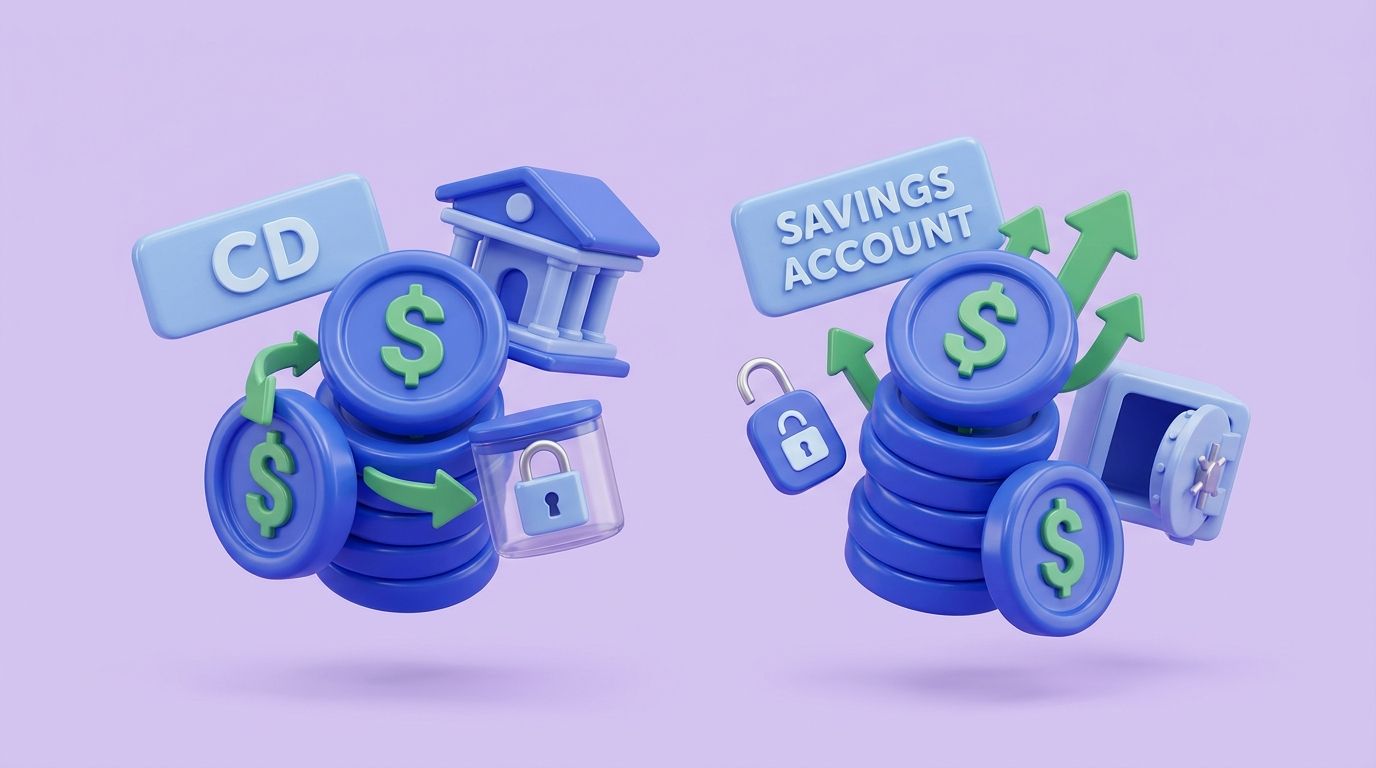
The second is a regular savings account, sometimes called a flexible savings account because you can add or withdraw money freely. A standard savings account does not have a use-it-or-lose-it rule at all. Your balance simply stays put and keeps earning interest year after year. There is no rollover to worry about because nothing ever expires.

Knowing which one you have is the whole game, so let's take them one at a time.

How FSA Rollover Actually Works

A health FSA is funded with pre-tax money from your paycheck, which lowers your taxable income. The catch has always been that unspent money could be forfeited at the end of the plan year.

The IRS softened that rule by letting employers offer one of two options, though not both. The first is a carryover. Employers may allow you to roll a limited amount of unused health FSA money into the next plan year. The carryover cap is set by the IRS and adjusts over time, so check your plan documents for the current figure. The second is a grace period. Instead of a carryover, some employers give you an extra window, up to two and a half months after the plan year ends, to spend down what is left.

Employers are not required to offer either option, so it is entirely possible to have an FSA with no rollover and no grace period at all. Read your benefits summary carefully, because the rules are set by your employer within IRS limits.

Dependent Care FSAs Are Different

One big warning: dependent care FSAs, which cover child care and similar costs, generally do not allow a carryover of unused funds the way health FSAs can. Some plans offer a grace period, but the carryover option that applies to health FSAs typically does not extend to dependent care accounts. If you use a dependent care FSA, plan your contributions carefully so you do not overfund and lose money.

Why a Regular Savings Account Never Expires

Now to the good news. If what you actually have is an ordinary savings account, none of the FSA rules apply. Money you deposit stays yours indefinitely. It rolls over automatically every year, keeps earning interest, and carries no deadline to spend it.

This is one of the biggest advantages of a plain savings account over an FSA. You get full flexibility, no forfeiture risk, and access to your cash whenever you need it. The tradeoff is that savings account contributions are made with after-tax dollars and the interest you earn is taxable, while FSA contributions are pre-tax. Each tool has a purpose, and many people use both.

Most savings accounts are insured by the FDIC or NCUA up to $250,000 per depositor, per institution, for each ownership category, which adds a layer of protection you do not get from spending accounts.

Best for: People who want a no-fee mobile bank with early direct deposit, high-yield account

Current Banking

Current Banking
4.6Firstcard rating

Current is a mobile-first banking app with no monthly fee and no minimum balance. Members can earn up to 4.00% APY with a qualifying direct deposit of $200, receive direct-deposit paychecks up to 2 days early, and overdraft up to $200 fee-free.

Standout feature

4.00% APY on Savings Pods (with a $200+ qualifying direct deposit) plus paycheck up to 2 days early — both included on the standard account for free

Fees

Free

Pros

$0 monthly fee; up to 4.00% APY on Savings Pods with qualifying direct deposit; paycheck up to 2 days early;

Cons

No physical branches

If you want a savings account that carries your balance over year after year with no expiration, a modern option like Current is worth a look for savers who prefer a mobile-first setup with built-in savings features. Compare the posted APY and any balance rules before opening, since those details shape what you earn.

When You Have Both an FSA and Savings

Many households pair an FSA with a regular savings account, and the two work well together. Use the FSA for predictable, qualified health or dependent care costs so you capture the tax break. Keep an emergency fund and longer-term savings in a regular account where the money never expires and stays fully accessible.

The key is to contribute to your FSA conservatively. Because unused FSA money can be forfeited, it is safer to slightly underfund the FSA and cover any extra costs from your regular savings than to overfund the FSA and risk losing what you do not spend.

Steps to Avoid Losing FSA Money

Use this simple checklist near the end of your plan year.

First, find out which option your plan offers: carryover, grace period, or neither. This single fact decides your deadline.

Second, tally your remaining balance and any pending claims. Do not forget eligible expenses you have already paid but not yet submitted.

Third, stock up on eligible items if you have a balance you cannot otherwise use. Many everyday health items qualify, though rules vary, so confirm eligibility first.

Fourth, submit every claim before your plan's runout deadline, which is separate from the spending deadline and is the last day to file paperwork.

How This Compares to a Savings Account Habit

Building a savings habit sidesteps the whole rollover headache. Because a regular savings account rolls over automatically, you never race a deadline. You simply keep adding money and let it compound. That is why a savings account is the natural home for funds you cannot afford to lose to a use-it-or-lose-it rule.

Best for: People who want a no-fee, no-interest path to build credit plus fee-free everyday banking

Chime

Chime
5Firstcard rating

- Fee-free banking plus early pay access - Overdraft up to $200 without fees - 5% cash back and build credit everyday. - 3.75% APY on your savings.

Standout feature

No credit check, no interest, no annual fee, and no minimum deposit required.

Fees

$0

Pros

Fee-Free Banking and Get paid up to 2 days early

Cons

App/online-only support, no branches

Chime is another modern option people compare when they want everyday banking plus savings tools that carry over automatically. As always, review the current APY, any qualifying requirements, and the fee schedule before deciding, since those factors drive your real results. Terms and conditions apply and rates vary.

Frequently Asked Questions

Does money in a flexible spending account roll over each year?

It depends on your employer's plan. Health FSAs may offer a limited carryover of unused funds or a grace period to spend them, but not both, and some plans offer neither. Check your benefits summary to see which option applies to you.

Is a flexible savings account the same as an FSA?

No. A flexible savings account usually means a regular savings account where you can add or withdraw money freely and the balance never expires. An FSA is a pre-tax spending account for health or dependent care with a use-it-or-lose-it rule. The two are easy to confuse but work very differently.

Does a regular savings account balance carry over year to year?

Yes. A standard savings account has no expiration and no use-it-or-lose-it rule. Your balance stays in the account, keeps earning interest, and carries over automatically every year with no action needed from you.

Can I roll unused dependent care FSA funds into next year?

Generally no. Dependent care FSAs usually do not allow a carryover of unused funds, though some plans offer a short grace period. Because of this, it is wise to estimate your dependent care costs carefully so you do not overfund the account and forfeit money.


Firstcard Educational Content Team

Firstcard Educational Content Team - July 4, 2026

Credit building
for all

Build credit early, earn cashback, grow your savings all in one place.

Credit building for all