High Yield Savings Account for Emergency Fund

June 5, 2026

Picture a surprise car repair landing in your lap next week. Would the cash be ready, or would it go on a credit card at a high rate? That gap is exactly what an emergency fund is built to fill.

The trick is keeping that money safe and reachable while it still earns a little. A regular checking account often pays almost nothing. A high yield savings account can do better without locking your cash away.

What an Emergency Fund Is For

An emergency fund is money set aside only for real surprises. Think job loss, medical bills, or a broken appliance you cannot live without.

It is not for vacations or holiday shopping. Keeping it separate makes you less likely to spend it by accident.

Most guides suggest building toward three to six months of basic expenses. Start small if needed. Even a modest cushion can keep one bad week from turning into debt.

Why a High Yield Account Helps

A high yield savings account is a savings account that typically pays a higher interest rate than a standard one, which helps your emergency fund grow while it waits. The rate can make a real difference over time. Comparing a few of the best high-yield savings accounts can help you find a competitive rate.

These accounts are often offered by online banks and fintech apps with lower overhead. That saved cost can show up as a better rate for you. Rates change often — here is why high-yield savings APYs rise and fall — so check the provider's official site for current numbers.

The money usually stays liquid, meaning you can move it when you need it. That mix of growth and access is what makes it a strong home for emergency cash.

Keeping Your Cash Safe and Reachable

Safety matters most for emergency money. Look for accounts held at banks with FDIC insurance, or partner banks that pass that protection through.

You also want easy transfers. A good account lets you move money to checking within a day or two when life happens.

One option to compare is Current. It offers mobile-first banking with savings features and tools that help you set money aside automatically.

Current may fit readers who want their emergency fund and everyday spending in one simple app they can manage from a phone.

Best for: People who want a no-fee mobile bank with early direct deposit, high-yield account

Current Banking

Current Banking
4.6Firstcard rating

Current is a mobile-first banking app with no monthly fee and no minimum balance. Members can earn up to 4.00% APY with a qualifying direct deposit of $200, receive direct-deposit paychecks up to 2 days early, and overdraft up to $200 fee-free.

Standout feature

4.00% APY on Savings Pods (with a $200+ qualifying direct deposit) plus paycheck up to 2 days early — both included on the standard account for free

Fees

Free

Pros

$0 monthly fee; up to 4.00% APY on Savings Pods with qualifying direct deposit; paycheck up to 2 days early;

Cons

No physical branches

Automating Your Savings

The easiest way to build a fund is to make saving automatic. When money moves on its own, you do not have to rely on willpower each month.

Many apps let you round up purchases or schedule small transfers. Those tiny amounts add up faster than people expect.

Another option to consider is Chime. It offers automatic savings features and a fee-light structure that can help a beginner grow a cushion steadily.

Chime may fit readers who want a no-fuss way to save in the background while they focus on daily life.

Best for: People who want a no-fee, no-interest path to build credit plus fee-free everyday banking

Chime

Chime
5Firstcard rating

- Fee-free banking plus early pay access - Overdraft up to $200 without fees - 5% cash back and build credit everyday. - 3.75% APY on your savings.

Standout feature

No credit check, no interest, no annual fee, and no minimum deposit required.

Fees

$0

Pros

Fee-Free Banking and Get paid up to 2 days early

Cons

App/online-only support, no branches

How Much to Keep in It

There is no single right number for everyone. Your target depends on your bills, your job stability, and your comfort level.

A common goal is three to six months of essential costs like rent, food, and utilities. People with uneven income may aim higher.

If that feels far away, set a starter goal first. Saving one month of expenses is a strong early win that builds momentum.

Avoiding Common Mistakes

A few simple slips can weaken your emergency fund. Knowing them ahead of time helps you avoid them.

Do not mix the fund with your daily spending account. The line between them blurs fast, and the money tends to disappear.

Also watch for accounts with surprise fees or strict withdrawal limits. Read the terms so your safety net stays flexible. Terms and conditions apply to any account you open.

High Yield Savings vs Other Options

You might wonder why not use a CD or the stock market. Each has trade-offs for emergency money.

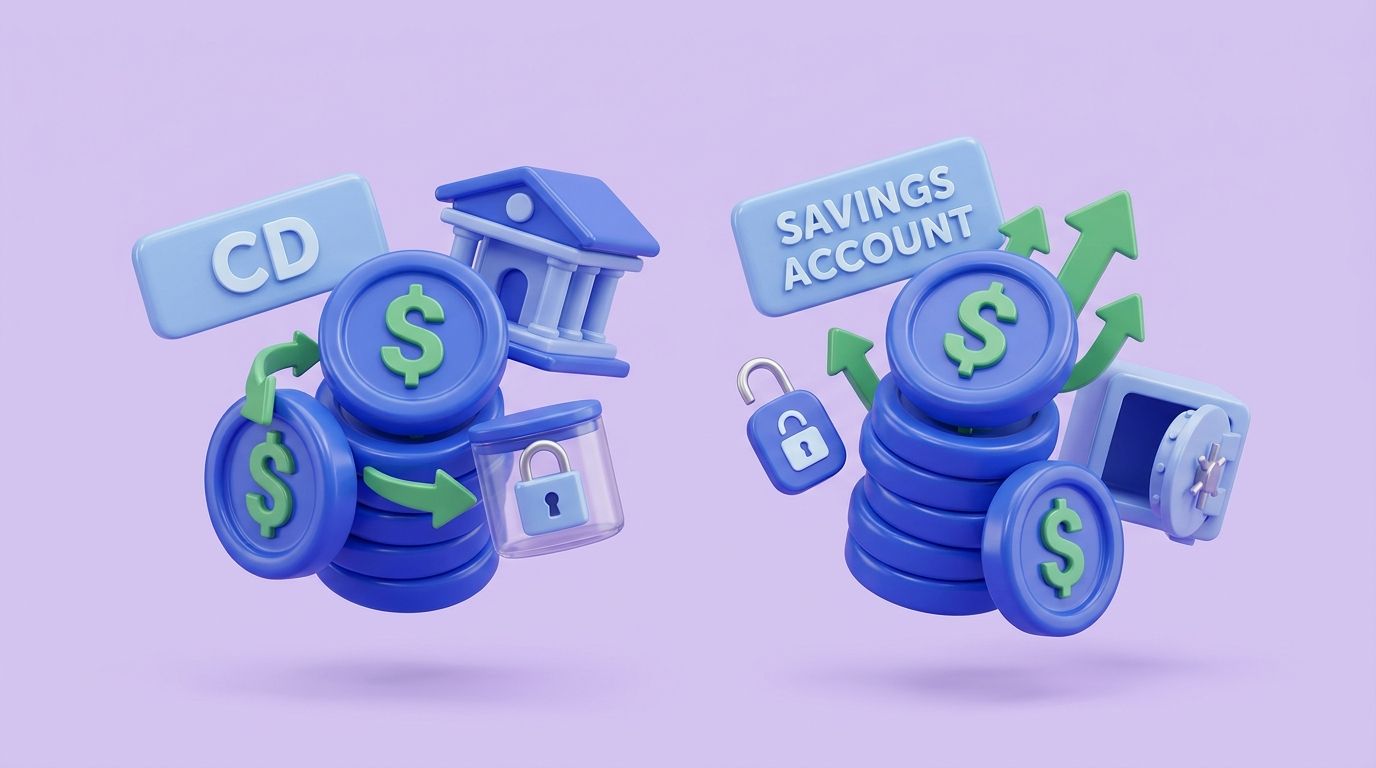
A CD can pay more but locks your cash for a set time, which defeats the purpose of quick access; our roundup of short-term investment options compares CDs and similar choices. Investments can fall in value right when you need them.

A high yield savings account stays liquid and lower risk, which is why it fits emergency cash so well. You trade a little growth for safety and access.

Building Strong Money Habits

An emergency fund works best alongside other healthy habits. Saving and credit health support each other over time.

If you are also rebuilding credit, a credit builder card can help you create positive history while your savings grow. Used carefully, it adds another layer of stability.

Those starting from a rough credit history might also look at a secured credit card that uses a deposit as the limit.

Take the First Step Today

A high yield savings account can keep your emergency fund safe, reachable, and growing, which beats letting cash sit idle. The hardest part is simply starting.

Compare the options above, open an account, and set up one small automatic transfer. Always confirm current rates and terms on each provider's official website before you commit.

Frequently Asked Questions

Is a high yield savings account safe for my emergency fund?

When the account is held at a bank with FDIC insurance, your money is protected up to legal limits. That makes it a lower-risk home for emergency cash. Always confirm the insurance details and current terms on the provider's official site.

How much should I keep in my emergency fund?

Many experts suggest three to six months of essential expenses, though your number may differ. People with unstable income often aim higher. If that feels out of reach, start with a one-month goal and build from there.

Can I lose money in a high yield savings account?

The balance itself does not drop the way an investment can, so it stays stable. The main thing that changes is the interest rate, which can move up or down over time. Check the provider's website for the current rate before you decide.

How is this different from a regular savings account?

A high yield savings account typically pays a higher interest rate than a standard one, often because it is offered by online banks with lower costs. Your money usually stays just as reachable. Rates vary by provider, so compare a few before opening one.


Firstcard Educational Content Team

Firstcard Educational Content Team - June 5, 2026

Credit building
for all

Build credit early, earn cashback, grow your savings all in one place.
Credit building for all