
If you shop the Home Shopping Network often, the HSN credit card promises a smoother checkout and a few perks built around the brand. Store cards like this can reward loyal shoppers, but they also come with tradeoffs worth understanding.
This is a plain-language breakdown of who issues the card, the real APR and fees, whether it builds credit, and where a more flexible card might serve you better. All figures are as of June 2026; terms and conditions apply, and APRs vary by creditworthiness.
Key Facts at a Glance
| HSN Store Card | HSN Mastercard | |
|---|---|---|
| Issuer | Comenity Capital Bank (Bread Financial) | Comenity Capital Bank (Bread Financial) |
| Network | Store-only (HSN purchases) | Mastercard (usable anywhere) |
| Annual fee | $0 | $0 |
| Purchase APR | ~29.24% variable | 13.24% / 17.24% / 21.24% at opening, then variable |
| Rewards | None (loyalty perks + financing) | None (loyalty perks + financing) |
| Welcome bonus | Up to $10 reported (confirm at checkout) | Up to $10 reported (confirm at checkout) |
| Financing | Special/deferred-interest on eligible HSN purchases | Same on HSN purchases |
| Other fees | $1.00 minimum interest charge per credit plan; late fee per Comenity Schumer Box | Same |
| Credit limit | Small starting limits typical; set by creditworthiness | Set by creditworthiness |
| Credit score | Typically fair or better (~640+ commonly cited) | Typically fair to good |
| Reports to | Experian, TransUnion, Equifax | Experian, TransUnion, Equifax |
What Is the HSN Credit Card?
The HSN credit card is issued by Comenity Capital Bank, part of Bread Financial, out of Salt Lake City, Utah. There are actually two versions:
- The HSN Store Card is closed-loop, meaning it works only for HSN purchases.
- The HSN Mastercard is co-branded, so you can use it anywhere Mastercard is accepted, while still earning HSN cardholder perks.
Both report to all three major credit bureaus, and both carry no annual fee. Store cards are often easier to qualify for than general-purpose cards, which appeals to people with fair or limited credit on the lower end of the credit score ranges. The tradeoff is a high interest rate, and with the store version, use limited to one retailer.
The APR and Fees to Watch
This is where store cards earn their reputation. Per Comenity's disclosures:
- The HSN Store Card carries a variable purchase APR reported at about 29.24%.
- The HSN Mastercard assigns a tiered purchase APR of 13.24%, 17.24%, or 21.24% at account opening based on your creditworthiness, then varies with the market based on the Prime Rate.
- There is a $1.00 minimum interest charge per credit plan, and a late payment fee applies (see Comenity's current Schumer Box for the exact amount, commonly up to about $41 on Comenity store cards).
Comenity sets your specific rate and credit limit when you apply, and the Credit Card Agreement is the authoritative source for the numbers on your account. Starting limits on the store version tend to be small. At nearly 29% on the store version, carrying a balance is expensive. Paying more than the minimum payment and clearing the full balance is the only sure way to avoid interest.
Perks, Rewards, and Financing
The HSN credit card does not have a traditional points or cash-back rewards program. Its value is loyalty perks and special financing on eligible HSN purchases, which let you spread a larger purchase over several months.
As with any deferred or promotional financing, the catch is the fine print: if you do not pay the promotional balance in full before the promo period ends, interest is typically charged back to the original purchase date. New cardholders have also been offered a small sign-up bonus (reported at up to $10). Confirm the live offer and current financing terms at checkout before you rely on them.
For frequent HSN shoppers who pay in full each month, the perks can add up. For anyone who carries a balance, the high APR usually outweighs them.
Does It Help Build Credit?
Because Comenity reports to all three major credit bureaus, paying the HSN card on time and keeping your balance low can build your credit over time. The HSN Mastercard, usable everywhere, gives you more room to keep activity steady than the store-only version. Approval typically calls for fair credit or better (around 640 is commonly cited, though Comenity does not publish a fixed cutoff), and you can check prequalification with no impact to your score.
The limitation is the same as with most store cards: a small starting limit plus a high rate. If a balance lingers, the interest can work against the progress you are trying to make. If building credit is your main goal, a card you can use anywhere may give you more control over credit utilization and payments.
If approval is a concern and you want a no-deposit unsecured card you can use everywhere, the Aspire Cash Back Rewards Mastercard is an unsecured card with no security deposit, prequalification up to a $1,000 limit, up to 3% cash back, and reports to all three bureaus.
Aspire® Cash Back Rewards Mastercard
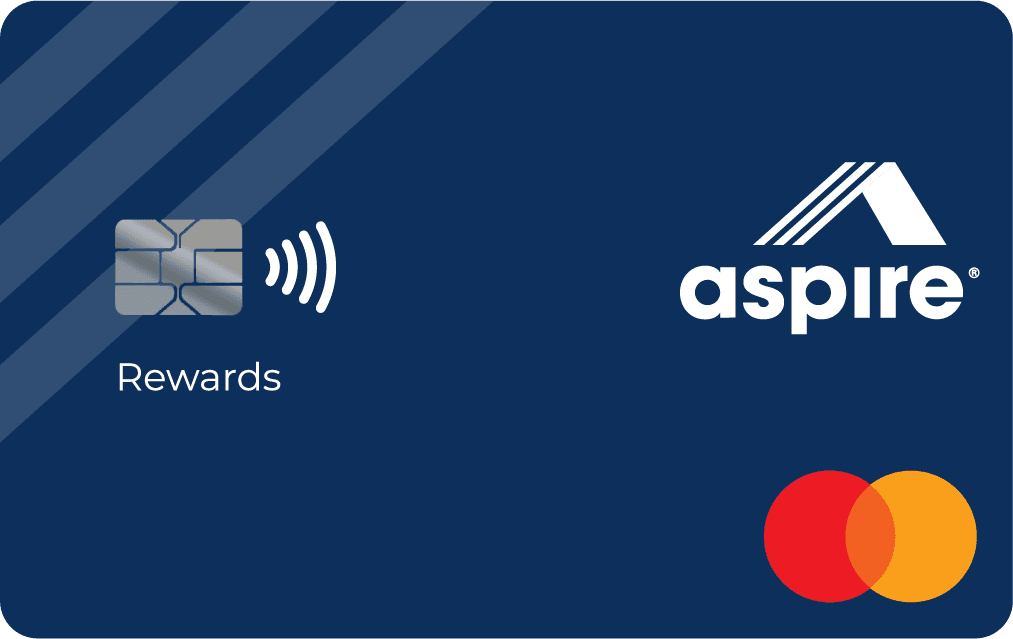
Aspire® Cash Back Rewards Mastercard
Aspire® Cash Back Rewards Mastercard. Prequalify* For Up To $1000 Credit Limit. No security deposit. Packed with great benefits, it’s designed to give you more flexibility—and purchasing power—along with up to 3% cash back rewards!** Good anywhere Mastercard is accepted, it’s the go-to card for any lifestyle.
Standout feature
Up to 3% cashback rewards**
Fees
$85–$175 first year, $229 thereafter (maintenance fees already included)
Pros
No Deposit Required. Prequalify* for up to $1000 credit limit
Cons
High APR, 36% Fixed.
A Pay-Over-Time Way to Build From Scratch
If your credit file is thin and you want a predictable, lower-risk way to start, a paycheck-based plan can be a better first step than a high-APR store card.
Perpay is powered by your paycheck — no security deposit, shop and pay over time while it reports to all three bureaus, members see an average 32-point increase. No matter which card you pick, tracking your score helps. A free tool like Creditship.ai lets you watch your progress as you build.
Perpay Credit Card
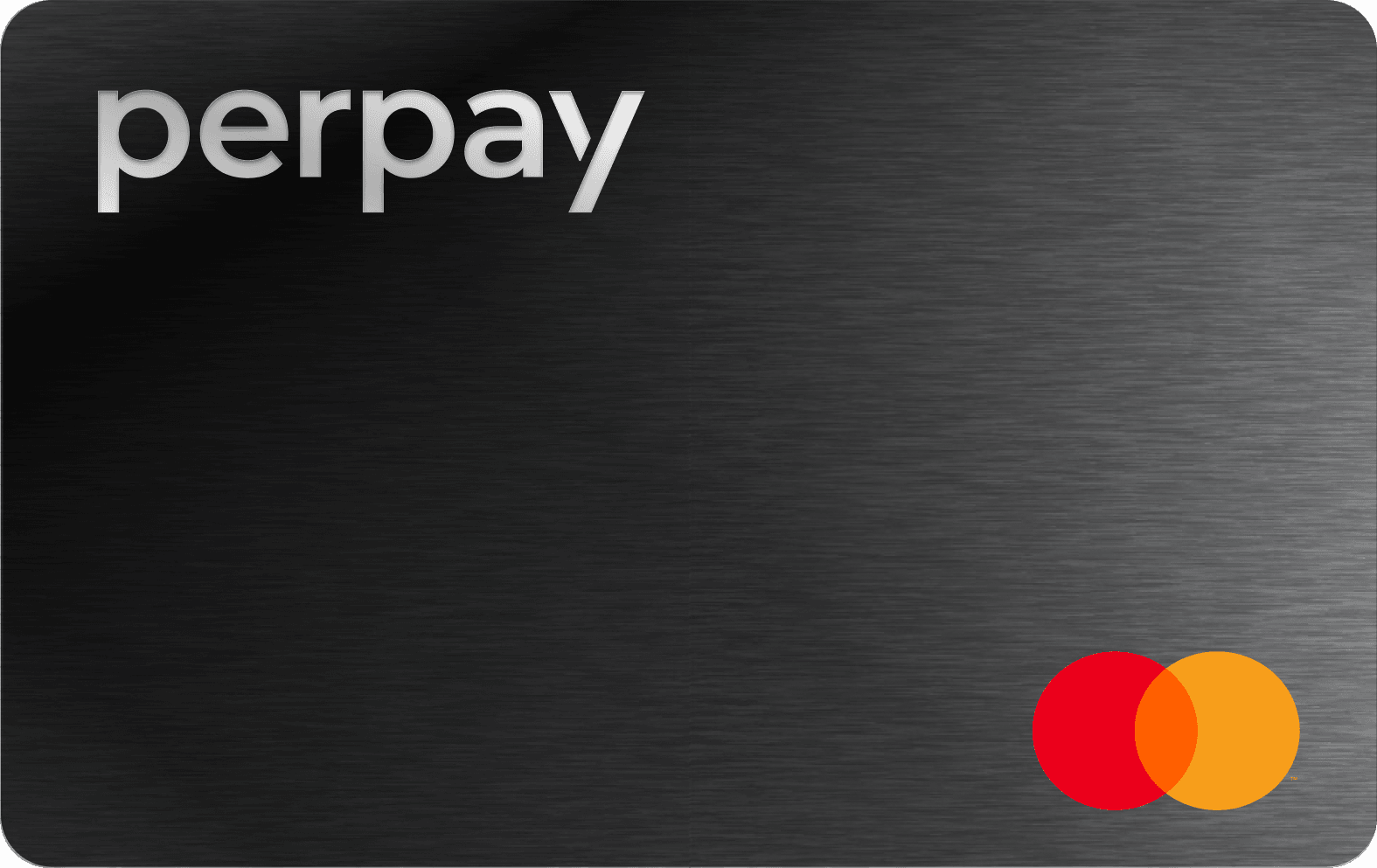
Perpay Credit Card
Meet the only card powered by your paycheck. With automatic transfers from your paycheck, you can manage payments stress-free and build credit with ease.
Fee
$9/month plus $9 account opening fee
APR
Marketplace: 0% / Credit Card: 27.74% to 29.99% depending on your creditworthiness.
Minimum Deposit Amount
$0
Credit Check
No
Cashback
2% reward on purchases made in Perpay Marketplace
Benefit
2% rewards, no security deposit
Another No-Deposit Starter Card
If you would rather have a revolving line that grows with you, a no-deposit starter card keeps your cash free while you build history.
The Arro Card is an unsecured starter card with no deposit and no hard credit check; start with a limit up to $300 that grows toward $2,500 via in-app tasks, reports to all three bureaus. Because there is no security deposit to fund, it is an easy way to start building before you reach for a store card.
Arro Card
Arro Card
No deposit. No hard credit check. Start with up to $300 and grow your credit line to $2,500 by completing in-app tasks. Earn 1% cash back on gas and groceries — including Walmart and Target.
Standout feature
Unsecured — no deposit required
Fees
up to $60/ year
Pros
1% cash back on gas & groceries
Cons
Starting credit limit: $50–$300
The Bottom Line
The HSN credit card, issued by Comenity Capital Bank, can reward loyal Home Shopping Network shoppers with perks and special financing, with no annual fee. Just watch the high APR (about 29.24% on the store version) and pay your balance in full whenever you can. The store version is HSN-only, while the Mastercard version works anywhere.
If you want a card you can use everywhere while building credit, compare the Aspire Mastercard, Perpay, and the Arro Card, then keep an eye on your score so you can move up to better cards over time.
Frequently Asked Questions
Who issues the HSN credit card?
The HSN credit card is issued by Comenity Capital Bank, part of Bread Financial. It comes in a closed-loop store card (HSN purchases only) and a co-branded HSN Mastercard usable anywhere Mastercard is accepted.
What is the APR on the HSN credit card?
Per Comenity, the HSN Store Card carries a variable purchase APR reported at about 29.24%, while the HSN Mastercard assigns a tiered 13.24%, 17.24%, or 21.24% at opening based on creditworthiness, then varies with the Prime Rate. There is a $1.00 minimum interest charge per credit plan. Check your Credit Card Agreement for your exact rate.
What credit score and limit can I expect?
Approval typically calls for fair credit or better (around 640 is commonly cited), though Comenity does not publish a fixed cutoff. Starting limits on store cards tend to be small and are set by your creditworthiness. You can prequalify with no impact to your score.
Does the HSN credit card help build credit?
Yes, as long as you pay on time. Comenity reports to all three major credit bureaus, so on-time payments and low balances can help. The Mastercard version, usable anywhere, offers more flexibility than the store-only card.



