Want the flexibility of buy now, pay later without juggling a dozen apps? The Klarna Card brings Klarna's pay-over-time tools to a single Visa you can swipe almost anywhere. But one question many shoppers miss is this: does the Klarna Card actually build your credit?
This review explains how the Klarna Card works in 2026, what it costs, and where it falls short, with fees verified against the WebBank cardholder agreement.
Key Facts at a Glance
| Issuer | WebBank |
| Network | Visa (open-loop, usable anywhere Visa is accepted) |
| Annual fee | $0 |
| Monthly fee | $0 |
| Purchase APR | Pay-in-full: $0 interest. Pay Over Time plans: agreement lists 28.99%; published rates range 0.00%-35.99% by creditworthiness/term |
| Rewards | None standing (debit-style by default) |
| Welcome bonus | None |
| Foreign transaction fee | $0 (none) |
| Late fee | Up to $7 per missed payment |
| Credit score | Typically 670+; hard pull at application |
| Reports to | Limited; everyday debit-style use does not report like a revolving card |
What Is the Klarna Card?
The Klarna Card is a Visa-branded card issued by WebBank and linked to your Klarna account. By default it works like a debit card, pulling from your linked funds, but it lets you turn eligible purchases into a payment plan right inside the Klarna app. Because it runs on Visa, it works anywhere Visa is accepted, not just at Klarna partner stores at checkout.
That flexibility is the appeal: pay in full now, or split a purchase into installments after the fact, all from one card you can use everywhere. There is no standing rewards program and no welcome bonus.
How the Klarna Card Works
The Klarna Card gives you a few ways to pay. As of June 2026, you can pay in full from your linked funds, use Pay in 30 to settle up to 30 days later, or move an eligible purchase into Pay Over Time installment windows of one, three, or six months.
Paying in full carries no interest. The longer installment plans, however, do accrue interest. Klarna's WebBank agreement lists a 28.99% APR for its Pay Over Months plans, and published rates can range from 0.00% to 35.99% depending on creditworthiness and the plan term. In other words, the Klarna Card can behave like a charge card you clear monthly, or like a financing tool if you stretch payments out, and the second mode costs more.
Klarna Card Fees and Credit Impact
The Klarna Card has no annual fee and no monthly fee, and it charges no foreign transaction fees, which is genuinely useful for travel. Per the agreement, a late payment can cost up to $7. Longer Pay Over Time plans may carry interest as noted above, so read the plan terms before you commit.
Applying for the card runs a hard inquiry through WebBank, and reported approvals typically want good credit, around a 670+ score. Here is the key point for credit builders: because the Klarna Card works largely like a debit-style product, everyday use does not build credit the way a traditional revolving credit card does. If your goal is a stronger score, you need a card that reports your on-time payments to the three major bureaus.
Who Should Get the Klarna Card (and Who Should Skip It)?
The Klarna Card may suit a disciplined shopper who wants flexible payments, no foreign transaction fees, and the option to spread out the occasional big purchase, and who pays on time. Used that way it is a low-fee, flexible tool you can carry anywhere.
It is a weaker fit if your main aim is building credit, since its everyday debit-style use does not report like a credit card, or if you are likely to lean on Pay Over Time and rack up interest. If a stronger score is the goal, an unsecured credit-building card is the better tool. A solid starting point is the Aspire Cash Back Rewards Mastercard, which is an unsecured card with no security deposit, prequalification up to a $1,000 limit, up to 3% cash back, and reports to all three bureaus.
Aspire® Cash Back Rewards Mastercard
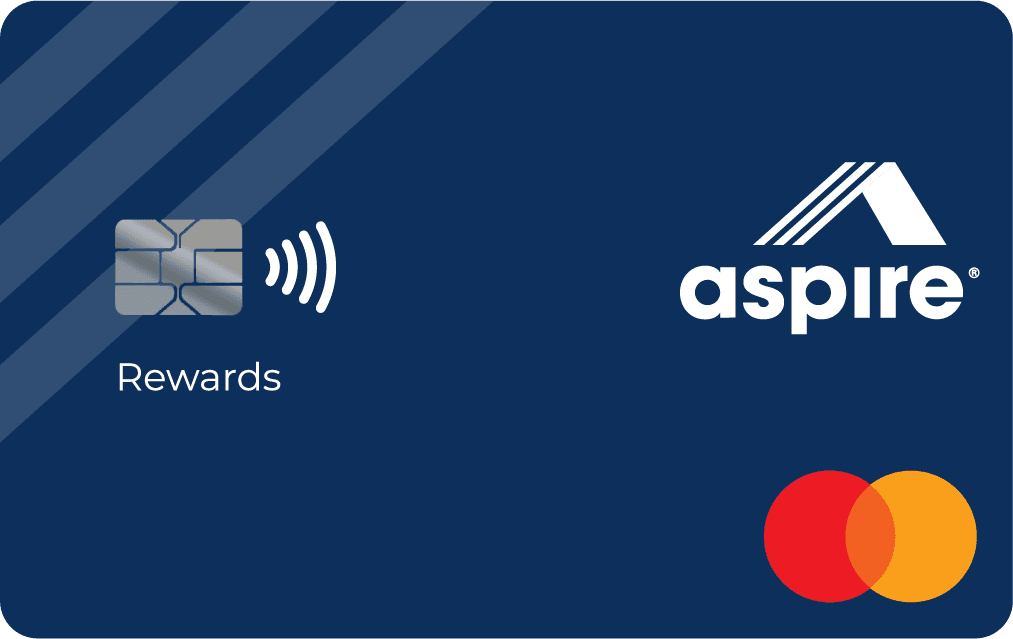
Aspire® Cash Back Rewards Mastercard
Aspire® Cash Back Rewards Mastercard. Prequalify* For Up To $1000 Credit Limit. No security deposit. Packed with great benefits, it’s designed to give you more flexibility—and purchasing power—along with up to 3% cash back rewards!** Good anywhere Mastercard is accepted, it’s the go-to card for any lifestyle.
Standout feature
Up to 3% cashback rewards**
Fees
$85–$175 first year, $229 thereafter (maintenance fees already included)
Pros
No Deposit Required. Prequalify* for up to $1000 credit limit
Cons
High APR, 36% Fixed.
The Aspire Mastercard reports your on-time payments to all three bureaus, which is exactly the piece the Klarna Card leaves out for everyday spending. That makes it a natural complement if a higher score is your goal, and it works anywhere Mastercard is accepted rather than just from your linked funds.
If what you like about the Klarna Card is paying over time with no security deposit, Perpay is powered by your paycheck — no security deposit, shop and pay over time while it reports to all three bureaus, members see an average 32-point increase. For a shopper who wants pay-over-time flexibility plus real credit reporting, it covers the gap the Klarna Card leaves.
Perpay Credit Card
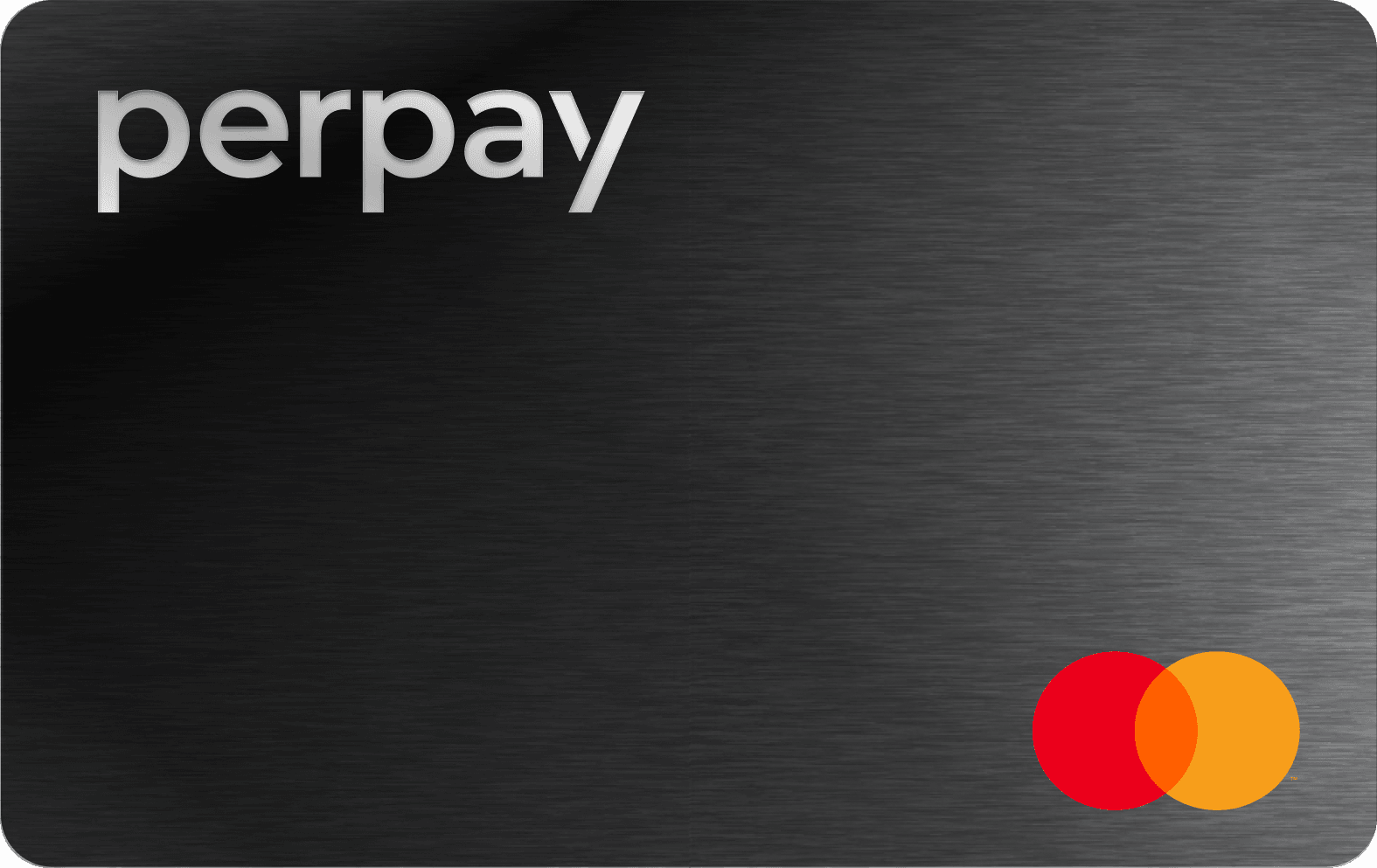
Perpay Credit Card
Meet the only card powered by your paycheck. With automatic transfers from your paycheck, you can manage payments stress-free and build credit with ease.
Fee
$9/month plus $9 account opening fee
APR
Marketplace: 0% / Credit Card: 27.74% to 29.99% depending on your creditworthiness.
Minimum Deposit Amount
$0
Credit Check
No
Cashback
2% reward on purchases made in Perpay Marketplace
Benefit
2% rewards, no security deposit
Prefer to build credit with no deposit and no hard credit check? The Arro Card is an unsecured starter card with no deposit and no hard credit check; start with a limit up to $300 that grows toward $2,500 via in-app tasks, reports to all three bureaus. It gives you the anywhere-usable convenience the Klarna Card offers, plus the credit reporting it skips.
Arro Card
Arro Card
No deposit. No hard credit check. Start with up to $300 and grow your credit line to $2,500 by completing in-app tasks. Earn 1% cash back on gas and groceries — including Walmart and Target.
Standout feature
Unsecured — no deposit required
Fees
up to $60/ year
Pros
1% cash back on gas & groceries
Cons
Starting credit limit: $50–$300
How These Compare to the Klarna Card
The Klarna Card is a flexible-payment Visa that behaves mostly like a debit product. The cards above are designed to build credit by reporting your on-time payments to all three bureaus, which the Klarna Card does not do for everyday use.
If you only want payment flexibility and already have strong credit, the Klarna Card is convenient and cheap to hold. If you are working on your score, an unsecured credit card built for credit building is the smarter pick. You can compare more starter cards in our guide to the best credit cards for beginners.
Is the Klarna Card Worth It?
For a careful shopper who wants flexible payments, no foreign transaction fees, and a Visa they can use anywhere, the Klarna Card is a handy, low-fee tool. Just know that everyday use does not build credit, and Pay Over Time plans can carry interest up to 35.99%. If a stronger score is your goal, pair it with, or start with, a card designed to report your payments. Tools like Creditship.ai can help you monitor your score along the way.
Frequently Asked Questions
Does the Klarna Card build credit?
For everyday debit-style use, no. The Klarna Card pulls from your linked funds and does not report that activity to the bureaus the way a traditional revolving card does. To build credit, you need a card that reports your on-time payments to all three bureaus. Applying does run a hard inquiry through WebBank.
Does the Klarna Card have fees?
Per the WebBank agreement, the Klarna Card has no annual fee, no monthly fee, and no foreign transaction fees. A late payment can cost up to $7, and longer Pay Over Time plans may carry interest. Always check current plan terms.
How does Pay Over Time work on the Klarna Card?
You can move an eligible purchase into an installment window of one, three, or six months. Paying in full carries no interest, but longer plans accrue interest; the agreement lists a 28.99% APR for Pay Over Months plans, with published rates ranging from 0.00% up to 35.99% based on creditworthiness and term.
What credit score do you need for the Klarna Card?
Reported approvals typically want good credit, around a 670+ score, and the application triggers a hard pull through WebBank. If you are building credit, an unsecured card like the Aspire Mastercard, Perpay, or the Arro Card that reports to all three bureaus is a better starting point.