Northwestern Bank High Yield Savings Account Guide

June 5, 2026

Saving money is good, but earning more on those savings is even better. A high yield savings account can help your balance grow faster than a basic account.

This guide explains how a Northwestern Bank high yield savings account works. You will also learn what to compare so you can choose an account that truly fits your goals.

What Is a High Yield Savings Account?

A high yield savings account pays a higher rate than a standard one. That higher rate means your money can grow more over time.

These accounts work much like regular savings accounts. You deposit money, earn interest, and can take it out when you need it.

The main draw is the better return on your balance. Even a small boost in rate can add up over months and years.

How Northwestern Bank High Yield Savings May Work

Most high yield accounts share a few common traits. You earn interest on your balance, and that interest is often paid monthly.

Some accounts ask for a minimum deposit or balance to earn the top rate. APYs vary by account and can change over time, so check the official Northwestern Bank site for current numbers.

If you want a flexible account to manage while you compare, Current offers mobile banking with handy money tools. It can serve as an easy home base as you shop for the best yield.

This fits readers who want a simple account they can run from their phone.

Best for: People who want a no-fee mobile bank with early direct deposit, high-yield account

Current Banking

Current Banking
4.6Firstcard rating

Current is a mobile-first banking app with no monthly fee and no minimum balance. Members can earn up to 4.00% APY with a qualifying direct deposit of $200, receive direct-deposit paychecks up to 2 days early, and overdraft up to $200 fee-free.

Standout feature

4.00% APY on Savings Pods (with a $200+ qualifying direct deposit) plus paycheck up to 2 days early — both included on the standard account for free

Fees

Free

Pros

$0 monthly fee; up to 4.00% APY on Savings Pods with qualifying direct deposit; paycheck up to 2 days early;

Cons

No physical branches

Why APY Matters More Than the Base Rate

When you compare savings accounts, focus on the APY. The APY, or annual percentage yield, reflects the real return after compounding.

Compounding means you earn interest on the interest you already earned. Over time, this can make a noticeable difference in your balance.

Because APY captures this effect, it is the fairest number to compare. Two accounts with the same base rate can have different APYs. For a sense of typical numbers, see how much APY a high-yield savings account pays.

Habits That Help Your Savings Grow

The right habits can speed up your progress. Automatic transfers move money to savings before you can spend it.

Keeping your savings separate from spending money also helps. When the cash is out of sight, it is easier to leave it alone.

A fee-friendly banking app can make these habits stick. Chime offers automatic savings features that round up purchases and set aside money for you.

This fits readers who want to save without much daily effort.

Best for: People who want a no-fee, no-interest path to build credit plus fee-free everyday banking

Chime

Chime
5Firstcard rating

- Fee-free banking plus early pay access - Overdraft up to $200 without fees - 5% cash back and build credit everyday. - 3.75% APY on your savings.

Standout feature

No credit check, no interest, no annual fee, and no minimum deposit required.

Fees

$0

Pros

Fee-Free Banking and Get paid up to 2 days early

Cons

App/online-only support, no branches

How to Compare High Yield Accounts

The top rate is not the only thing to weigh. A great rate can lose value if the account piles on fees.

Look at monthly fees, minimum balance rules, and how easy it is to access your cash. Also confirm the account is covered by federal deposit insurance.

Weigh all of these factors together for a clear picture. The best account balances a strong rate with fair, simple terms.

Pairing Savings With Credit Building

Growing your savings and building your credit can go hand in hand. Both habits strengthen your overall money picture.

While your savings grow, you can also work on your credit score. A secured credit card lets you build a payment history with a refundable deposit.

A credit builder card is another option that reports your on-time payments. Using one alongside savings can move you toward your goals faster.

When to Choose a Different Savings Option

A high yield savings account is flexible, but it is not always the best fit. If you will not touch the money for a long time, other options may pay more.

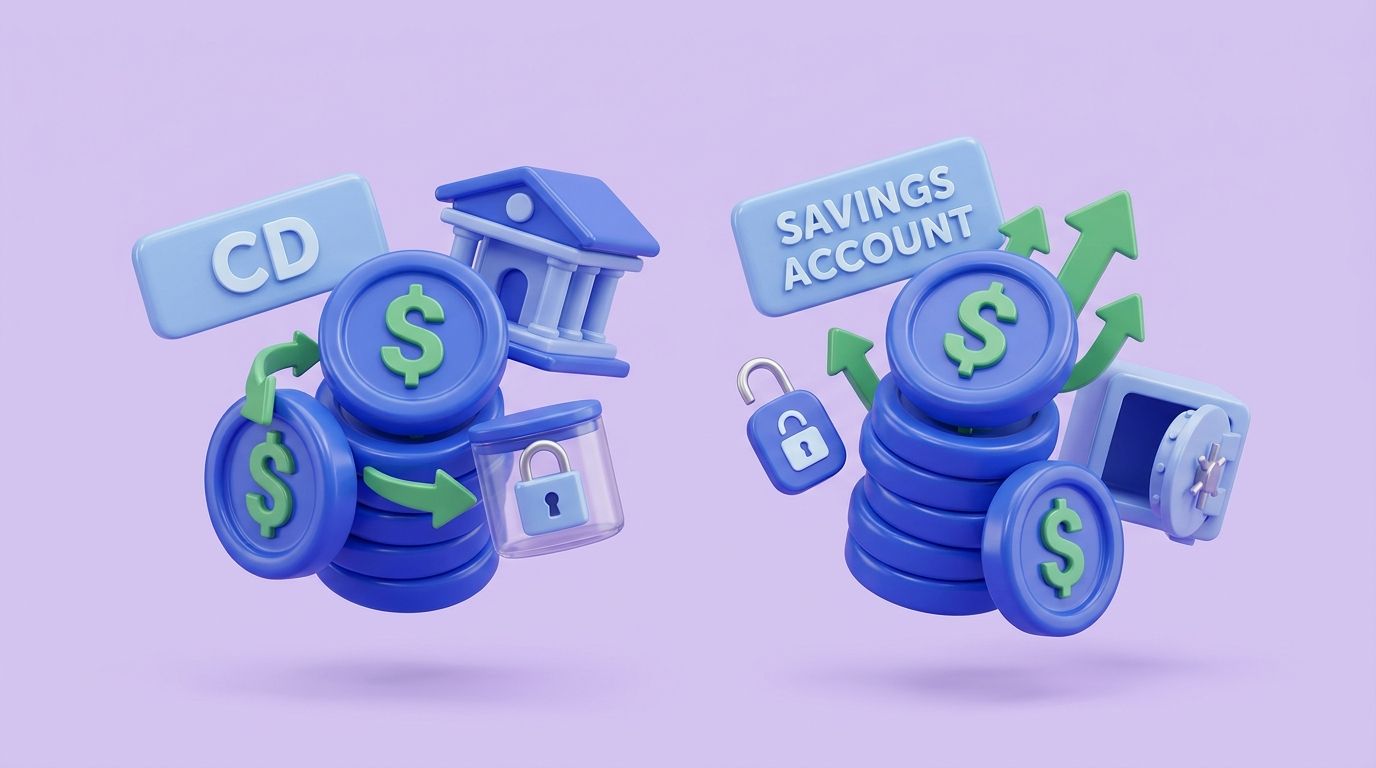
A certificate of deposit can offer a fixed rate for a set term. Money market accounts may also suit certain savers.

Think about your timeline before you decide. Terms and conditions apply, so review the details on each provider's site.

Ready to grow your money? Compare the flexible banking tools above, then check the official Northwestern Bank site for its current high yield savings rate.

Frequently Asked Questions

How is a high yield savings account different from a regular one?

A high yield account pays a higher interest rate than a standard savings account. That higher rate helps your money grow faster over time. Both let you deposit and withdraw funds, but the return is the key difference.

Where can I find the current Northwestern Bank savings rate?

The most accurate source is the official Northwestern Bank website. You can also call the bank or visit a branch to ask. Rates can change, so confirm the latest figure before you open an account.

Is my money safe in a high yield savings account?

Most accounts at insured banks are protected up to federal limits. This means your covered balance is safe even if the bank fails. Always confirm that the account carries federal deposit insurance.

Can I lose money in a high yield savings account?

Your balance does not drop due to market swings the way investments can. Fees, though, can eat into your earnings if you are not careful. Read the terms so you understand any costs before you open the account.


Firstcard Educational Content Team

Firstcard Educational Content Team - June 5, 2026

Credit building
for all

Build credit early, earn cashback, grow your savings all in one place.
Credit building for all