
PayPal is one of the most recognized names in online checkout, so it is no surprise its buy now pay later options are everywhere. If you have seen Pay in 4 or Pay Monthly at checkout and wondered how they work, this review breaks down the fees, terms, credit checks, and limits as of July 2026.
We will look honestly at what PayPal's pay-later products do well and where they fall short, plus a few alternatives worth knowing. Terms can change, so confirm the current details in your PayPal account before you buy.
Key facts at a glance
| Feature | Pay in 4 | Pay Monthly |
|---|---|---|
| How you repay | 4 payments every 2 weeks | Monthly for 3 to 24 months |
| Interest | 0% | Fixed 9.99% to 35.99% APR |
| Late fees | None | None |
| Purchase range | About $30 to $1,500 | Up to about $10,000 |
| Credit check | Soft, no score impact | Soft at application |
(As of July 2026; confirm current terms in the PayPal app.)
How PayPal Pay in 4 works
Pay in 4 splits an eligible purchase into four equal, interest-free payments. You pay the first quarter at checkout, then the remaining three every two weeks over about six weeks.
Fees and credit impact
Pay in 4 charges no interest, no sign-up fee, and no late fees as of early 2026. PayPal may run a soft credit check when you apply, which does not affect your score and is not visible to other lenders.
How PayPal Pay Monthly works
Pay Monthly is for larger purchases you want to spread over a longer period. Terms typically range from 3 to 24 months.
Rates and limits
Unlike Pay in 4, Pay Monthly charges a fixed interest rate that varies with your credit, currently between 9.99% and 35.99% APR. There are no sign-up or late fees, and eligible purchases can run up to about $10,000, compared with roughly $1,500 for Pay in 4.
The advantages of PayPal pay later
The biggest draw is convenience, since PayPal is already accepted at millions of online stores. Pay in 4 is genuinely interest-free, and the soft credit check means checking eligibility will not ding your score.
The lack of late fees on both products is also borrower-friendly. For a quick, no-interest split on a mid-size purchase, Pay in 4 is straightforward.
The drawbacks to weigh
No financing is without risk. Pay Monthly can carry a high APR at the upper end, so a longer plan can cost meaningfully more than the sticker price.
BNPL can also make overspending easy, and stacking several plans can strain your budget. PayPal's pay-later products generally do not report on-time payments to the bureaus, so they will not help you build credit the way some alternatives can.
Read the terms for each purchase
Eligibility and terms are decided purchase by purchase, so the option you saw last time may not appear next time. Always review the specific plan shown at checkout.
How PayPal compares to other BNPL options
If your goal is only to split a purchase interest-free, PayPal Pay in 4 competes closely with Sezzle, which also offers pay-in-4 plans and instant decisions without a hard credit check. Sezzle adds optional credit reporting through its Sezzle Up feature, which PayPal does not.
Sezzle

Sezzle
Flexible payments made simple. Shop now, pay later with zero interest options, smart budgeting tools, and a seamless checkout experience.
Standout feature
0% interest on Pay-in-4 when paid on time
Fees
Free
Pros
Sezzle Up reports on-time payments to all major US bureaus
Cons
Late fee of up to $16.95 per missed installment
If building credit matters to you, Perpay reports payments to the bureaus and lets you pay from your paycheck.
Perpay

Perpay
Access up to $1,000 to shop and pay over time from your paycheck while building credit. Increase your credit score by 32 points on average!
Standout feature
Buy Now, Pay Later with Credit Building
Fees
Free ($5/mo for Perpay+ to build credit)
Pros
Up to $1000 spending limit and reporting to Experian, Equifax and Transunion
Cons
Cost $5/mo for credit building
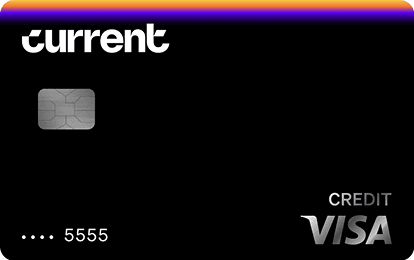
The Current Build Card is designed to help establish history through everyday spending. Chime Card is another tool some shoppers use to manage cash flow, though its features differ from a fixed installment plan.
Current Build Card
Current Build Card
$0 annual fee. No minimum deposit required. No credit check required. 1 point per dollar on eligible categories. Reports to Experian, TransUnion, Equifax.
Fee
$0
APR
0%
Minimum Deposit Amount
$0
Credit Check
No
Cashback
1 point/dollar on eligible categories (with qualifying payroll deposit)
Benefit
No credit check, no deposit minimum
Who PayPal pay later is best for
Pay in 4 fits shoppers who want a fast, interest-free split on a purchase under about $1,500 and already use PayPal. Pay Monthly can help with a larger expense if the fixed APR you are offered is reasonable and the payment fits your budget.
If credit building is your priority, an option that reports payments may serve you better. Match the tool to your goal rather than defaulting to whatever appears at checkout.
Frequently Asked Questions
Does PayPal Pay in 4 check your credit?
PayPal may run a soft credit check when you apply for Pay in 4, which does not affect your credit score. It is not visible to other lenders reviewing your file.
Does PayPal charge interest or late fees?
Pay in 4 charges no interest and no late fees. Pay Monthly charges a fixed APR between 9.99% and 35.99% depending on your credit, but it also has no late or sign-up fees as of July 2026.
How much can I spend with PayPal pay later?
Pay in 4 covers eligible purchases up to about $1,500, while Pay Monthly can go up to roughly $10,000. Your available amount is decided for each purchase based on PayPal's review.
Will PayPal pay later help me build credit?
Generally no, because PayPal does not typically report on-time Pay in 4 or Pay Monthly payments to the credit bureaus. If credit building is your goal, a service that reports payments would be a better fit.
Your next steps
Decide whether you need an interest-free split with Pay in 4 or a longer plan for a larger buy with Pay Monthly, and check the exact terms shown at checkout. For Pay Monthly, confirm the APR you are offered before you commit.
If building credit matters, compare a reporting alternative before you decide. Whichever you choose, set reminders for each due date and only borrow what you can comfortably repay.




