
If you furnish your home from Pottery Barn, Williams Sonoma, or West Elm, the Pottery Barn Key Rewards Visa dangles a tempting 5 percent back across all of those brands. That is a strong rate for a store-linked card with no annual fee, but the roughly 29 percent APR means it only pays off if you handle it carefully.
Here is our full review of the Pottery Barn Key Rewards Visa for 2026, including what it earns, what it costs, and who should actually carry it.
Key Facts at a Glance
| Feature | Detail (as of July 2026) |
|---|---|
| Issuer / network | Capital One, Visa |
| Annual fee | $0 |
| Intro rewards | 10% back at the eight brands for the first 30 days |
| Ongoing rewards | 5% back at the eight brands, 4% dining and grocery, 1% everywhere else |
| Purchase APR | 29.24% variable |
| Balance transfer APR | 29.24% variable |
| Cash advance APR | 29.24% variable |
| Welcome bonus | No lump-sum cash bonus; intro rate serves as the offer |
| Where usable | Anywhere Visa is accepted |
Rates and terms are set by Capital One and can change, so verify current details before applying.
How the Rewards Work
The card ties into The Key Rewards, the loyalty program shared by eight Williams-Sonoma brands: Williams Sonoma, Williams Sonoma Home, Pottery Barn, Pottery Barn Kids, Pottery Barn Teen, West Elm, Rejuvenation, and Mark & Graham.
New cardmembers earn 10 percent back at those brands during the first 30 days after opening the account, then 5 percent back after that. Because it runs on the Visa network, you also earn 4 percent back at grocery stores, food delivery, and restaurants, plus 1 percent on everything else.
That 5 percent brand rate lands well above the 2 percent that free, non-card Silver members of The Key earn. If you spend heavily at these stores, the gap is meaningful.
The Catch: Redemption Limits
Rewards are useful only if you shop the family of brands. Points from this card have no cash value and cannot be converted to cash, gift cards, or third-party services. You can spend rewards on future purchases and design services across the eight brands, in store, online, or by phone, until the balance runs out or expires.
That makes the card a poor fit if you only occasionally buy home goods. A flat-rate cash-back card that pays you real dollars anywhere may serve a light shopper better, even at a lower percentage.
Approval for this card leans toward good-to-excellent credit, so if you get denied, it helps to know which starter cards you can actually get. The Aspire Cash Back Rewards Mastercard is unsecured with no security deposit, lets you prequalify for a limit up to $1,000 with a FICO score around 580, and earns up to 3 percent cash back. It is a realistic way to start earning rewards while you build toward a card like the Pottery Barn Visa.
Aspire® Cash Back Rewards Mastercard
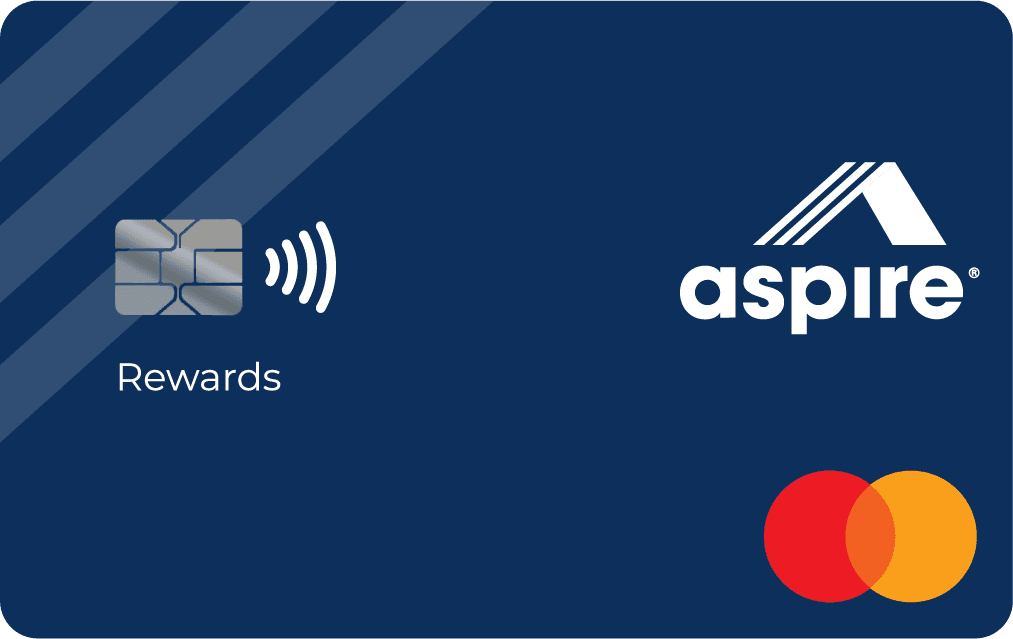
Aspire® Cash Back Rewards Mastercard
Aspire® Cash Back Rewards Mastercard. Prequalify* For Up To $1000 Credit Limit. No security deposit. Packed with great benefits, it’s designed to give you more flexibility—and purchasing power—along with up to 3% cash back rewards!** Good anywhere Mastercard is accepted, it’s the go-to card for any lifestyle.
Standout feature
Up to 3% cashback rewards**
Fees
$85–$175 first year, $229 thereafter (maintenance fees already included)
Pros
No Deposit Required. Prequalify* for up to $1000 credit limit
Cons
High APR, 36% Fixed.
The APR Is the Real Cost
The purchase, balance transfer, and cash advance APR all sit at 29.24 percent variable. That is high, and it is where store-linked cards quietly cost people money.
If you carry a balance, the interest can erase your 5 percent rewards several times over. A $2,000 sofa financed for a year at that rate could add hundreds of dollars in interest. The math only works if you pay the statement in full every month. Treat this as a rewards card for people who never revolve a balance, not a financing tool.
Fees and Approval
The standout positive is the $0 annual fee, so you can hold the card without a yearly cost. Standard charges still apply for things like late payments and cash advances, and cash advances start accruing interest immediately with no grace period.
Approval odds are generally best with good to excellent credit, typically a score in the mid-600s and up, though Capital One does not publish a firm cutoff. Applying triggers a hard credit inquiry, which can dip your score by a few points temporarily.
If you cannot pass a credit check yet, Perpay is worth a look. It is a paycheck-powered card with no security deposit and no credit check to get started, and it earns 2 percent rewards as you pay purchases down through payroll deductions. For a shopper who wants to furnish a home without a hard pull, it is an easier door in than a 29 percent APR retail card.
Perpay Credit Card
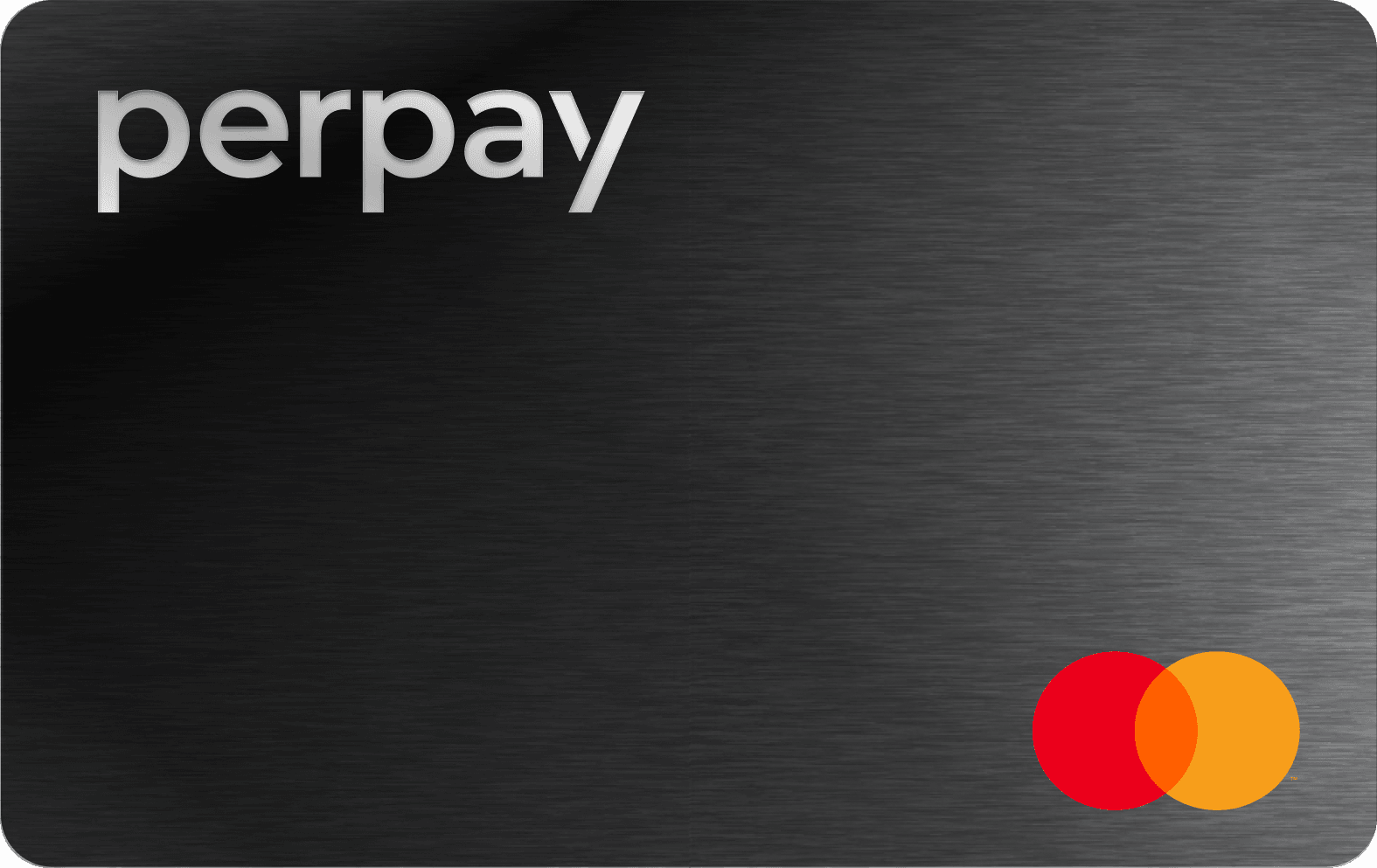
Perpay Credit Card
Meet the only card powered by your paycheck. With automatic transfers from your paycheck, you can manage payments stress-free and build credit with ease.
Fee
$9/month plus $9 account opening fee
APR
Marketplace: 0% / Credit Card: 27.74% to 29.99% depending on your creditworthiness.
Minimum Deposit Amount
$0
Credit Check
No
Cashback
2% reward on purchases made in Perpay Marketplace
Benefit
2% rewards, no security deposit
Better Fits if You Are Building Credit
A 29 percent APR retail card is rarely the right first card if your credit is thin or recovering. Products built for credit building can be a safer starting point.
The Self Visa Credit Card pairs a secured card with a credit-builder account and reports to all three bureaus, while the Kikoff Secured Credit Card offers a low-friction way to add on-time payments to your file. The Current Build Card lets you build history using your own money to help avoid interest. Any of these can help you reach the credit tier where a rewards card like the Pottery Barn Visa makes sense, without the high revolving rate. To track your progress, a monitoring service such as Creditship.ai can show how new accounts move your score.
Another unsecured starter worth considering is the Arro Card, which requires no deposit and no hard credit pull to apply. Its limit can grow from $300 up to $2,500 as you show on-time payments, and it pays 1 percent cash back on gas and groceries, so it doubles as a credit-builder and an everyday card while you work toward a card like the Pottery Barn Visa.
Arro Card
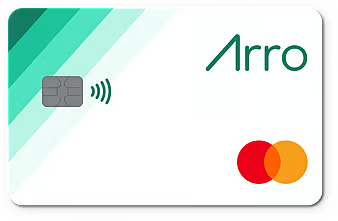
Arro Card
No deposit. No hard credit check. Start with up to $300 and grow your credit line to $2,500 by completing in-app tasks. Earn 1% cash back on gas and groceries — including Walmart and Target.
Standout feature
Unsecured — no deposit required
Fees
up to $60/ year
Pros
1% cash back on gas & groceries
Cons
Starting credit limit: $50–$300
Who Should Get This Card
The Pottery Barn Key Rewards Visa fits a specific shopper: someone who regularly buys from the eight Williams-Sonoma brands, pays the balance in full, and will actually redeem rewards on future home purchases.
If you rarely shop those stores, carry a balance, or want flexible cash rewards, a general cash-back card is likely the better pick. The no-annual-fee structure is friendly, but the value lives entirely inside that family of brands.
Frequently Asked Questions
What credit score do I need for the Pottery Barn Key Rewards Visa?
Capital One does not publish an exact minimum, but approval is generally easiest with good to excellent credit, typically a score in the mid-600s or higher. Applying results in a hard inquiry that can lower your score by a few points for a short time.
Can I use Pottery Barn rewards anywhere?
No. Rewards can only be redeemed on purchases and design services across the eight Williams-Sonoma brands, in store, online, or by phone. They carry no cash value and cannot be exchanged for cash or gift cards.
Is the Pottery Barn Key Rewards Visa worth it?
It can be worth it if you shop these brands often and pay your balance in full each month, since 5 percent back with no annual fee is strong. It is a weaker choice if you rarely buy home goods or tend to carry a balance at the 29.24 percent APR.
Does the card charge an annual fee?
No, the Pottery Barn Key Rewards Visa has a $0 annual fee. Other standard charges, such as late fees and cash advance costs, still apply, and cash advances begin accruing interest immediately.
Terms and conditions apply, and APRs vary by creditworthiness, so confirm current rates with Capital One before applying.




