If your credit has taken a few hits, you have probably seen the Surge credit card in your mailbox or an online offer. It promises approval for people with poor credit and no security deposit, which sounds great when most cards keep saying no. But a card that says yes when others say no comes with a cost. Here is exactly what the Surge credit card charges, verified against the Celtic Bank cardholder agreement as of June 2026.
Key Facts at a Glance
| Issuer | Celtic Bank, serviced by Continental Finance |
| Network | Mastercard (usable anywhere Mastercard is accepted) |
| Annual fee | $125 first year, then $96/year |
| Monthly maintenance fee | $10/month ($120/year), begins after the first 12 months |
| Purchase APR | 29.99% variable (Prime + 24.74% margin) |
| Cash advance APR | 29.99% variable |
| Rewards | None |
| Welcome bonus | None |
| Foreign transaction fee | 3% |
| Cash advance fee | Greater of $5 or 5% (none allowed in first 95 days) |
| Credit limit | Typically $300 to $1,000 to start; may rise after 6 on-time payments |
| Credit score | No minimum; reported approvals average around 564 (poor/limited credit) |
| Prequalification | Soft-pull prequalification available |
| Reports to | Experian, TransUnion, Equifax (monthly) |
What the Surge Credit Card Is
The Surge Platinum Mastercard is an unsecured card issued by Celtic Bank and serviced by Continental Finance. Unsecured means no deposit to open it, which sets it apart from most cards aimed at bad credit. It is a real revolving Mastercard you can use anywhere, and it reports to all three major bureaus, so on-time payments build positive history. Continental Finance services other cards in this niche, including the Verve Mastercard, so it is worth comparing their fee structures side by side.
It is marketed to applicants who cannot qualify for mainstream cards: thin files, past missed payments, or a recent setback. That access is the selling point. The pricing reflects the higher risk the issuer takes.
Surge Credit Card APR and Fees
This is where you need to pay close attention. The agreement is specific:
- Purchase APR: 29.99% variable (Prime Rate plus a 24.74% margin). Cash advances are also 29.99%. There is no 0% intro period and no penalty APR.
- Annual fee: $125 the first year, then $96 each year after.
- Monthly maintenance fee: $10 a month ($120 a year). It is not billed during the first 12 months, then begins.
- Cash advance fee: greater of $5 or 5%. No cash advances are allowed in the first 95 days.
- Foreign transaction fee: 3%.
- Late payment: up to $38 ($27 the first time). Returned payment: up to $27.
- Additional card fee: $30 one-time per authorized user.
Add it up and the first year costs $125, with $96 plus $120 in maintenance ($216) every year after. On a starting limit that may be as low as $300 to $1,000, those fees consume a real share of your available credit before you spend a dollar.
Credit Limits and Approval
Many applicants start with a limit between $300 and $1,000, set during pre-approval based on your profile. There is no hard minimum credit score; reported approvals skew toward scores in the 500s (the average matched score is around 564), and income and existing debt are weighed too. Surge offers a soft-pull prequalification so you can check likely approval without a hard inquiry. It advertises that it may increase your limit after your first six monthly minimum payments on time. A higher limit can help your utilization ratio, but a low starting limit paired with high fees leaves little room to spend.
How Surge Affects Your Credit
Used carefully, Surge can help. It reports to all three bureaus, so on-time payments and low balances may move your score in the right direction. The risk is the cost: if the annual and maintenance fees eat a big chunk of a small limit, your utilization can run high, which works against you. Keep your balance well under the limit, set up autopay for at least the minimum, and you protect your history.
Who Should Get It, and Who Should Skip It
Get it only if you genuinely cannot qualify elsewhere and you value an unsecured line you can use anywhere. For some people, that access is worth the fees in the short term.
Skip it if you can put down even a small deposit or qualify for a lower-fee card. The total yearly cost is high enough that a cheaper card usually builds credit just as well. If you are rebuilding after bankruptcy, weigh it against the best unsecured credit card after Chapter 7.
Lower-Cost Ways to Build Credit
If the fees give you pause, two Firstcard partners do similar work for less. If you want an unsecured card you can use anywhere without Surge's annual and maintenance fees, the Aspire Cash Back Rewards Mastercard prequalifies for up to a $1,000 limit with no deposit and no hard pull at prequalification, accepts 580+ FICO, reports to all three bureaus, and pays up to 3% cash back.
Aspire® Cash Back Rewards Mastercard
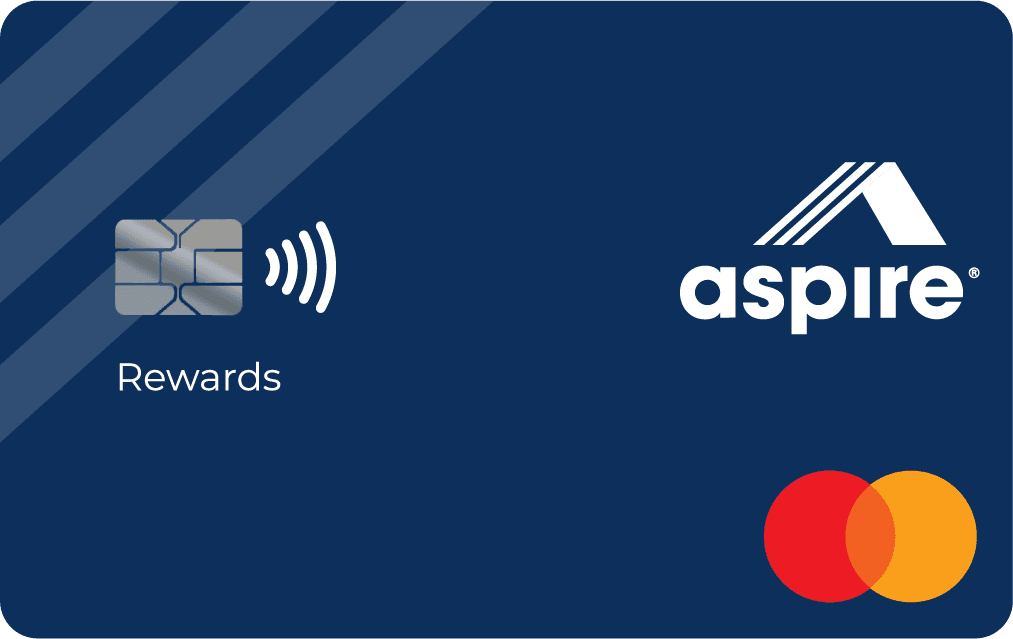
Aspire® Cash Back Rewards Mastercard
Aspire® Cash Back Rewards Mastercard. Prequalify* For Up To $1000 Credit Limit. No security deposit. Packed with great benefits, it’s designed to give you more flexibility—and purchasing power—along with up to 3% cash back rewards!** Good anywhere Mastercard is accepted, it’s the go-to card for any lifestyle.
Standout feature
Up to 3% cashback rewards**
Fees
$85–$175 first year, $229 thereafter (maintenance fees already included)
Pros
No Deposit Required. Prequalify* for up to $1000 credit limit
Cons
High APR, 36% Fixed.
If you would rather build with a dedicated credit-builder product, the Current Build Card links everyday purchases to a credit-building account with a $0 deposit minimum, no credit check, and a $0 annual fee, reporting to all three bureaus.
Current Build Card
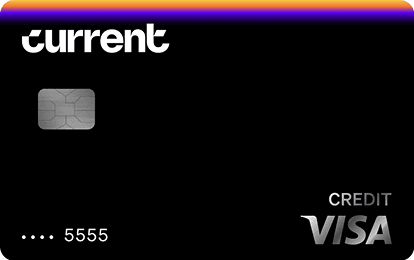
Current Build Card
$0 annual fee. No minimum deposit required. No credit check required. 1 point per dollar on eligible categories. Reports to Experian, TransUnion, Equifax.
Fee
$0
APR
0%
Minimum Deposit Amount
$0
Credit Check
No
Cashback
1 point/dollar on eligible categories (with qualifying payroll deposit)
Benefit
No credit check, no deposit minimum
Both cost far less per year than Surge while building the same on-time history. To compare more options, see cards easy to get with no credit, and monitor your progress free with Creditship.ai. Terms and conditions apply, and APRs vary by creditworthiness.
Frequently Asked Questions
How high is the Surge credit card APR?
The Celtic Bank agreement lists a 29.99% variable APR on both purchases and cash advances as of June 2026 (Prime Rate plus a 24.74% margin). There is no 0% intro period, no penalty APR, and no rewards to offset it, so carrying a balance is costly.
What does the Surge credit card cost in fees?
The annual fee is $125 the first year, then $96. A $10 monthly maintenance fee ($120 a year) begins after the first 12 months. There is also a 3% foreign transaction fee, late fees up to $38, and a cash advance fee of the greater of $5 or 5%. Those costs add up quickly on a small limit.
What credit score and limit can I expect with the Surge credit card?
There is no hard minimum score; reported approvals average around 564, so people with poor or limited credit have a real shot, and a soft-pull prequalification lets you check first. Starting limits typically run $300 to $1,000 and may increase after six on-time payments.
Are there cheaper alternatives to the Surge credit card?
Yes. Unsecured and credit-builder cards like the Aspire Mastercard and the Current Build Card carry far lower yearly costs and build credit just as well when you pay on time. Compare the total first-year and ongoing cost before you decide.