
If you've signed up for Credit Karma Money or just poked around the app, you may have wondered who actually holds your cash. Credit Karma is a well-known brand, but it isn't a chartered bank. So your funds have to live somewhere else.
The short answer is that Credit Karma Money checking and savings accounts are provided through MVB Bank, Inc., a federally regulated bank. Credit Karma handles the app and customer experience, while MVB handles the banking part behind the scenes.
This kind of setup is common in fintech, but it can be confusing if you're used to traditional banks. Let's break down how it works, why it matters, and what your options are if you want to build credit at the same time. For a related product, see our writeup of the Credit Karma Money credit builder.
Credit Karma Isn't a Bank: Here's the Setup
Credit Karma is a financial technology company owned by Intuit, the same parent company that owns TurboTax and QuickBooks. It was founded in 2007 and is best known for free credit scores and credit monitoring.
In 2020, Credit Karma launched Credit Karma Money, which includes a checking-style Spend account and a high-yield Save account. Because Credit Karma is not a chartered bank, it partners with a real bank to offer these accounts.
That banking partner is MVB Bank, Inc., a community bank headquartered in West Virginia. MVB is a Member FDIC institution, which is the key detail you want to see.
Which Bank Powers Credit Karma Money?
The bank behind Credit Karma Money is MVB Bank, Inc., Member FDIC. When you open a Credit Karma Money Spend or Save account, your deposits are technically held at MVB, not at Credit Karma itself.
That means your money is eligible for standard FDIC insurance up to the legal limit, which is currently $250,000 per depositor, per insured bank, per ownership category. If something happened to Credit Karma the app, your funds at MVB would still be protected under FDIC rules.
Visa is the network behind the Credit Karma Money debit card. So you've got Credit Karma as the front end, MVB as the bank, and Visa as the card network.
What About the Credit Karma Visa Debit Card?
The Credit Karma Visa Debit Card is issued by MVB Bank, Inc., Member FDIC, under license from Visa U.S.A. Inc. You can use it anywhere Visa is accepted, plus get fee-free withdrawals at a large network of ATMs.
Because MVB is the issuing bank, any disputes, fraud claims, or account changes ultimately flow back to MVB's compliance and operations teams. Credit Karma helps you start the process, but the bank is on the hook for regulatory steps.
This layered structure is the norm with most modern "neobank" apps, including Chime, Varo, and similar services.
Is Credit Karma Money Safe?
From a deposit-safety angle, Credit Karma Money is set up the way most bank-partnered fintech products are. Funds in your Spend and Save accounts are held at MVB Bank and covered by FDIC insurance, subject to the usual rules and limits.
That said, safety is not just about FDIC coverage. It also depends on:
- Strong passwords and two-factor authentication on your Credit Karma login.
- Watching for phishing emails pretending to be from Credit Karma.
- Reviewing transactions often and reporting issues quickly.
The FDIC protects against bank failure, not against fraud where you accidentally hand over your credentials. So good account hygiene still matters.
Errors on your credit report can quietly hold your score down. Dovly is a free AI-powered credit engine that disputes inaccuracies on your behalf, with members reporting an average 34-point boost.

Why Credit Karma Uses a Partner Bank
Getting a U.S. bank charter is hard and expensive. It takes years of regulatory work, capital requirements, and ongoing compliance. Many fintech companies skip that path and partner with an existing bank instead.
For Credit Karma, partnering with MVB means it can focus on:
- The app, score tracking, and personalized offers.
- Tax filing through TurboTax integration.
- Recommendations for credit cards, loans, and insurance.
MVB, meanwhile, handles the regulated banking work. This split is why your account agreement clearly lists MVB as the actual bank.
Credit Karma Is Great for Monitoring, Not for Building Credit
Credit Karma is fantastic at one specific job: showing you your VantageScore credit scores and giving you a snapshot of your credit report. But it doesn't directly help you build credit on its own. It also has real blind spots worth knowing about — our closer look at what is wrong with Credit Karma covers where the platform falls short, from score accuracy to misleading approval odds. If your number isn't where you want it, our deep dive on why is my credit score so low explains the main culprits.
If your goal is to lift a low score or establish credit from scratch, you'll need an actual credit product that reports to the major bureaus. A secured card or credit-builder card is usually the most accessible option.
This is where a tool like Creditship can be useful. Creditship is designed to help you find credit-building options matched to your situation, instead of just monitoring a score that you can't directly change.
Creditship

Creditship
Get free credit monitoring and concrete advice how to improve your credit from Creditship AI.
Standout feature
AI Credit Coach. AI analyzes your credit report in depth and gives you tailored, actionable steps to raise your score.
Fees
Free
Pros
Free credit report access plus monitoring and alerts
Cons
No credit repair feature
If you're considering a new credit card to pair with your Credit Karma monitoring, remember that terms and conditions apply, and APRs vary by creditworthiness.
Free monitoring is the diagnosis. Self Visa® Credit Card is the treatment for thin credit files. It's backed by your own savings, reports to all three bureaus, and has no hard pull at signup. That makes it the simplest way to add positive credit history alongside monitoring.

VantageScore vs FICO: An Important Detail
Credit Karma shows you VantageScore 3.0 scores from TransUnion and Equifax. Many lenders, however, use FICO scores in their underwriting decisions, especially for mortgages and auto loans. Knowing the difference between a credit report vs credit score helps you interpret what each app is really showing.
The two scoring models often land in a similar range, but they can also disagree by 20 to 50 points or more. That's why a great Credit Karma score doesn't always translate into approval at the rate you expect. Scores can also bounce around a lot, and our piece on why does my credit score change every week explains the most common reasons.
If you're shopping for a major loan, it's worth pulling your FICO score from your card issuer or AnnualCreditReport.com to get a fuller picture. You can also check whether a 720 credit score is great for the loan you have in mind. You can read more about credit-building tools on the Firstcard credit-building card guide.
If a security deposit isn't realistic, Current Build Card has $0 deposit minimum and no credit check, with reporting to all three bureaus. Pair with banking already on the same app.
Current Build Card
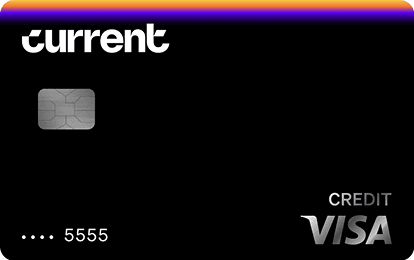
Current Build Card
$0 annual fee. No minimum deposit required. No credit check required. 1 point per dollar on eligible categories. Reports to Experian, TransUnion, Equifax.
Fee
$0
APR
0%
Minimum Deposit Amount
$0
Credit Check
No
Cashback
1 point/dollar on eligible categories (with qualifying payroll deposit)
Benefit
No credit check, no deposit minimum
How to Open or Close Credit Karma Money
To open a Credit Karma Money account, you sign up through the Credit Karma app or website. You'll provide your name, address, Social Security number, and date of birth, which MVB needs to comply with federal banking rules.
If you want to close the account, you can do so from the app or by contacting Credit Karma support. The actual closure is processed through MVB's systems, so it may take a few business days for any remaining balance to transfer out.
Make sure you've moved direct deposits and pulled any leftover funds before closing, just so nothing gets stuck in limbo. If you also notice extra credit pulls on your report, our guide on how to remove hard inquiries walks through the dispute process.
Frequently Asked Questions
Is Credit Karma a real bank?
No, Credit Karma is not a chartered bank. It's a fintech company owned by Intuit. Banking services for Credit Karma Money are provided through MVB Bank, Inc., Member FDIC, which holds the deposits and issues the debit card.
Are Credit Karma Money accounts FDIC-insured?
Yes. Because deposits are held at MVB Bank, they're covered by FDIC insurance up to $250,000 per depositor, per ownership category, subject to standard FDIC rules. This protects your money if the bank fails, though it doesn't cover losses from fraud you authorized.
Can Credit Karma actually help me build credit?
Credit Karma helps you monitor your VantageScore and watch for changes on your report. But it doesn't directly build credit because it's not a lender. To build credit, you need an active credit product, like a secured card or credit-builder loan, that reports to the bureaus.
Is the score Credit Karma shows me the same one lenders use?
Not always. Credit Karma shows VantageScore 3.0, while many lenders use FICO scores for approvals. The two models often land close together, but they can differ by a meaningful amount, so it's smart to check both before applying for a big loan.




