
If you searched for an Apple Card versus Razer Gold card annual fee comparison, here is the most important fact up front: only one of these is actually a credit card. The Apple Card is a real Mastercard with no annual fee. Razer Gold is a prepaid gaming wallet and virtual currency, not a credit card at all, so it has no annual fee because there is no card account to charge one. This guide explains the difference clearly and centers on the Apple Card, the product that can actually affect your credit and your wallet.
Key facts at a glance
| Feature | Apple Card | Razer Gold |
|---|---|---|
| Product type | Credit card | Gaming wallet / virtual currency |
| Issuer | Goldman Sachs Bank USA (Chase transition announced) | Razer (not a bank) |
| Network | Mastercard | None (closed gaming ecosystem) |
| Annual fee | $0 | None (no card to charge) |
| Purchase APR | 17.49% to 27.74% variable | Not applicable |
| Rewards | Up to 3% Daily Cash | Bonus Razer Silver on top-ups |
| Builds credit | Yes, reports to all 3 bureaus | No |
Terms and conditions apply, and APRs vary by creditworthiness.
Why this is not a true apples-to-apples comparison
Razer Gold is a stored-value system gamers use to buy games and in-game items. You load money into it, sometimes earning bonus Razer Silver loyalty points, then spend it across supported titles. It is closer to a gift card balance than to a credit card.
Because Razer Gold is not a line of credit, it has no APR, no credit limit, no bureau reporting, and no annual fee in the credit-card sense. You cannot build credit with it, and it cannot help or hurt your score. So if your real question is which card to carry, the Apple Card is the only credit card in this matchup.
Apple Card: the details that matter
The Apple Card is a Mastercard issued by Goldman Sachs Bank USA, available only in the United States to qualifying applicants. In January 2026, Apple announced that Chase will become the new issuer over roughly the next 24 months, with Mastercard staying as the network. For now, Goldman Sachs remains the issuer, and the customer experience continues unchanged.
The rewards run on a Daily Cash model. You earn up to 3% Daily Cash at select merchants like Apple, 2% when you use Apple Pay, and 1% on physical card purchases. The cash posts daily, not monthly, and can flow into an Apple Card Savings account.
On cost, the Apple Card lives up to its no-fee promise. There is no annual fee, no foreign transaction fee, no late fee, and no over-limit fee. The only real cost is interest if you carry a balance. As of January 1, 2026, the variable APR ranges from 17.49% to 27.74% based on creditworthiness. Learning how interest works shows why paying in full keeps this card free.
Annual fee comparison, settled
The headline answer is simple. Neither the Apple Card nor Razer Gold charges an annual fee, but for very different reasons.
The Apple Card charges $0 annually as a deliberate feature, part of its no-fees design. Razer Gold charges nothing annually because it is not a card account, so there is nothing to bill. If annual fee is your only filter, both score zero, but only the Apple Card delivers the things people expect from a card: a credit line, rewards on real-world spending, and credit building.
Apple Card approval and credit reporting
The Apple Card reports to all three major credit bureaus, so on-time payments can help your credit over time. Razer Gold reports to none, because it is prepaid. That single difference is the biggest reason to choose a credit card if building credit is your goal.
Apple Card approval generally favors applicants with fair to good credit, often in the ~660 and up range, though Apple uses a soft pull to show your offer before a hard inquiry. If your credit is still thin, comparing cards that build credit without a deposit can point you to easier-to-get options.
The card also includes spending tools in the Wallet app, interest-free Apple Card Monthly Installments on Apple products, and Apple Card Family sharing. None of these have a Razer Gold equivalent because the two products solve different problems.
If you cannot get the Apple Card, start here
The Apple Card needs decent credit. If you are rebuilding or just starting out, a few partner cards can get you approved and reporting to the bureaus, which Razer Gold can never do.
The Aspire Cash Back Rewards Mastercard is an unsecured option for fair-credit applicants who still want cash back, earning 3% on eligible gas, groceries, and utilities and 1% elsewhere. Its 29.99% to 36.00% APR and first-year annual fee make it pricier than the Apple Card, so weigh the terms, but its approval bar is lower.
Aspire® Cash Back Rewards Mastercard
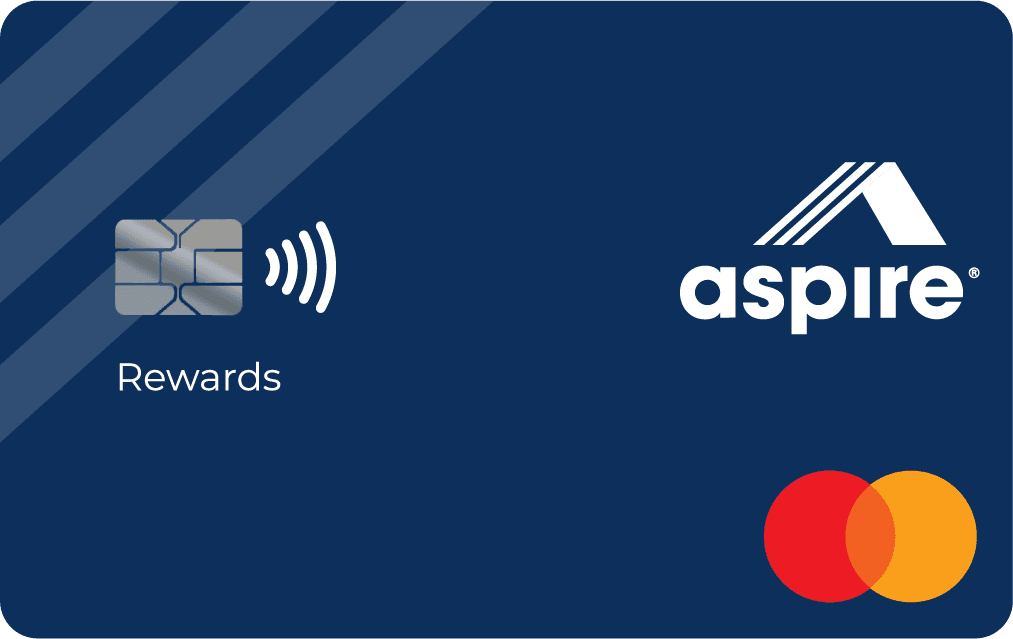
Aspire® Cash Back Rewards Mastercard
Aspire® Cash Back Rewards Mastercard. Prequalify* For Up To $1000 Credit Limit. No security deposit. Packed with great benefits, it’s designed to give you more flexibility—and purchasing power—along with up to 3% cash back rewards!** Good anywhere Mastercard is accepted, it’s the go-to card for any lifestyle.
Standout feature
Up to 3% cashback rewards
Fees
$49 to $175; after that $0 to $49 annually; - $60 to $159 annually billed at $5 to $12.50 per month after the first year.
Pros
No Deposit Required. Prequalify for up to $1000 credit limit
Cons
High APR. 25.74% to 36%, based on your creditworthiness.
If a hard credit pull is a problem, Perpay offers an unsecured Mastercard issued by Celtic Bank that ties to your payroll direct deposit and skips the security deposit. It reports to all three bureaus, which makes it a real credit-building tool. Plan for the $9 monthly service fee and $9 opening fee, roughly $117 in year one, before you apply.
Perpay Credit Card
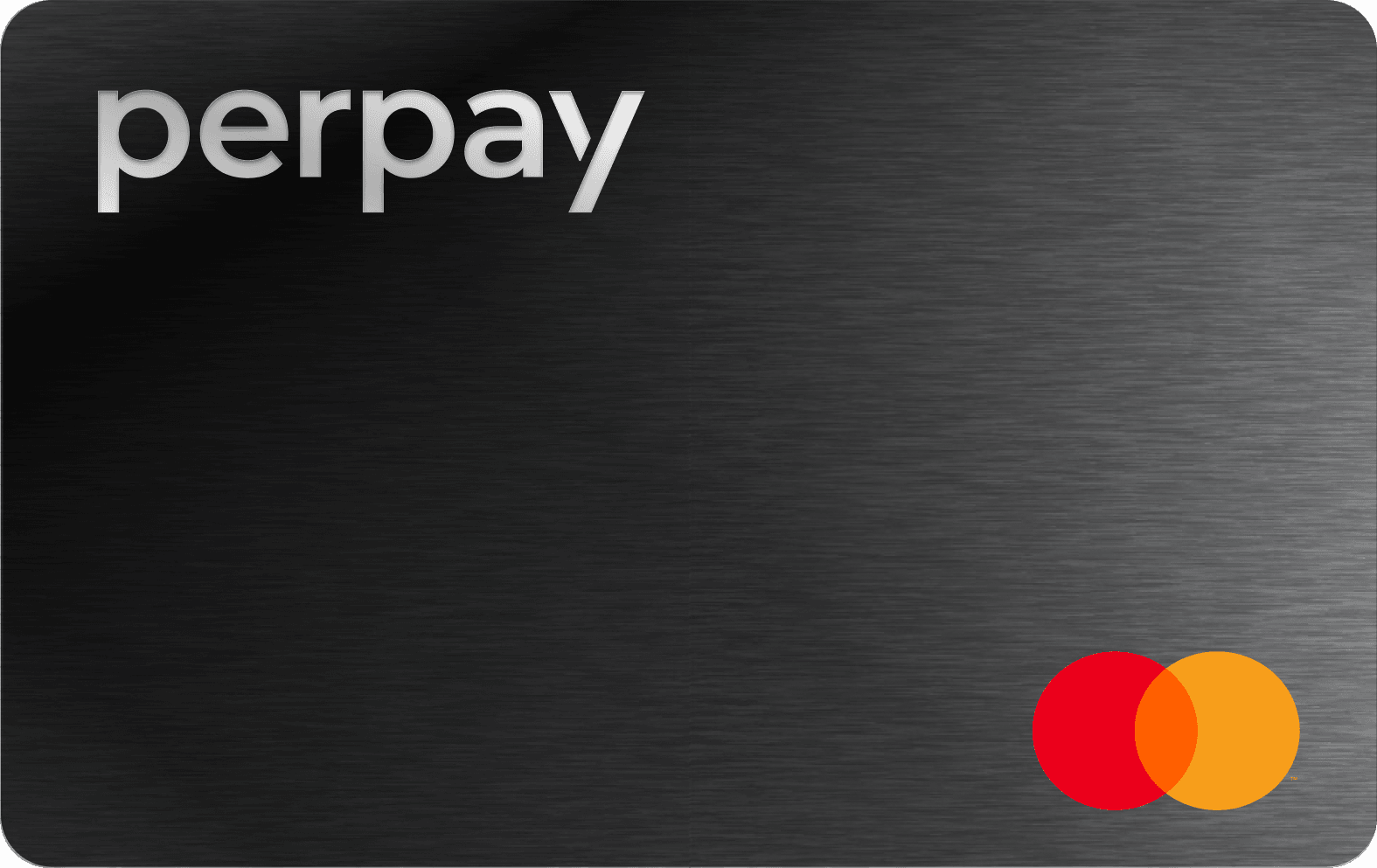
Perpay Credit Card
Meet the only card powered by your paycheck. With automatic transfers from your paycheck, you can manage payments stress-free and build credit with ease.
Fee
$9/month plus $9 account opening fee
APR
Marketplace: 0% / Credit Card: 27.74% to 29.99% depending on your creditworthiness.
Minimum Deposit Amount
$0
Credit Check
No
Cashback
2% reward on purchases made in Perpay Marketplace
Benefit
2% rewards, no security deposit
And if you want no interest and no debt at all while you build, the Current Build Card is a secured charge card from Cross River Bank with no annual fee, no APR, no minimum deposit, and no credit check, reporting to all three bureaus. You spend only money already in your Current account, so there is nothing to repay with interest. Comparing a secured credit card shows how it stacks up against the Apple Card's unsecured line.
Current Build Card
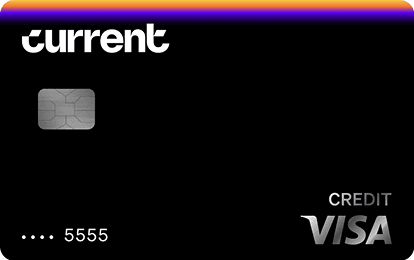
Current Build Card
$0 annual fee. No minimum deposit required. No credit check required. 1 point per dollar on eligible categories. Reports to Experian, TransUnion, Equifax.
Fee
$0
APR
0%
Minimum Deposit Amount
$0
Credit Check
No
Cashback
1 point/dollar on eligible categories (with qualifying payroll deposit)
Benefit
No credit check, no deposit minimum
The bottom line
The Apple Card and Razer Gold are not really competitors. The Apple Card is a no-fee credit card that earns Daily Cash and builds credit. Razer Gold is a prepaid wallet for buying games, with no fee, no rewards on everyday spending, and no credit impact.
If you want a card for daily life and credit building, the Apple Card wins by default. If you just want to fund game purchases, Razer Gold does that, but it is not a card to compare on credit terms. For a deeper sense of how your account affects your score, see our guide on how long it takes to get a credit score.
Frequently Asked Questions
Is Razer Gold a credit card?
No. Razer Gold is a prepaid gaming wallet and virtual currency used to buy games and in-game items. It is not issued by a bank, has no credit line, no APR, and does not report to credit bureaus, so it cannot build credit.
Does the Apple Card have an annual fee?
No. The Apple Card has a $0 annual fee, plus no foreign transaction fee, no late fee, and no over-limit fee. The only cost is interest if you carry a balance, with a variable APR of 17.49% to 27.74% as of January 1, 2026.
Who issues the Apple Card in 2026?
The Apple Card is currently issued by Goldman Sachs Bank USA and runs on Mastercard. In January 2026, Apple announced Chase will become the new issuer over roughly the next 24 months, with Mastercard remaining the network.
Can Razer Gold help me build credit?
No. Because Razer Gold is a prepaid wallet and not a credit product, it does not report to Experian, Equifax, or TransUnion. To build credit, you need a credit card or loan that reports to the bureaus, like the Apple Card. Terms and conditions apply.




