
Picking between a Bank of America vs Chase credit card usually comes down to two popular no-annual-fee cash back cards: the Bank of America Customized Cash Rewards and the Chase Freedom Unlimited. Both give solid rewards with no yearly fee, but they earn in very different ways. This side-by-side comparison, current as of July 2026, will help you choose the one that matches how you actually spend.
Bank of America vs Chase Credit Card: At a Glance
Here is a quick side-by-side look before we dig into the details. Rates and terms vary by creditworthiness, and terms and conditions apply.
| Feature | BofA Customized Cash Rewards | Chase Freedom Unlimited |
|---|---|---|
| Annual fee | $0 | $0 |
| Rewards rate | 3% in a category you choose, 2% at grocery stores and wholesale clubs (up to $2,500 combined per quarter), 1% on everything else | 5% on travel booked through Chase Travel, 3% on dining and drugstores, 1.5% on all other purchases |
| Welcome bonus | Around $200 cash after meeting the spend requirement | 30,000 points, roughly an extra 1.5% back in the first year |
| Intro APR | 0% for 15 billing cycles on purchases and balance transfers | 0% for 15 months on purchases and balance transfers |
| Regular APR | About 18.24% - 28.24% | About 18.99% - 28.49% |
| Foreign transaction fee | 3% | 3% |
| Best for | Customizing your top spending category | Simple, flat cash back everywhere |
Rewards Compared
The biggest difference is flexibility versus simplicity. The Bank of America Customized Cash Rewards lets you pick a 3% category from a list like gas, online shopping, dining, or travel, and change it once a month. You also get 2% at grocery stores and wholesale clubs. The catch is that the 3% and 2% rates only apply to the first $2,500 in combined spending each quarter, then drop to 1%.
The Chase Freedom Unlimited is simpler. You earn 1.5% on everything with no category to manage, plus higher rates on travel booked through Chase and on dining and drugstores. There is no quarterly cap on the base 1.5%, which makes it great for steady, everyday spending.
Welcome Bonus and APR
Both cards offer a sign-up bonus, though the exact amount and spending requirement change over time, so check the current offer before applying. As of July 2026, Bank of America has typically offered around $200 cash back, while Chase has run a points-based bonus worth roughly an extra 1.5% in the first year.
Both cards also come with a 0% intro APR for about 15 months or 15 billing cycles on purchases and balance transfers. After that, the standard variable APR applies, and APRs vary by creditworthiness. If you plan to carry a balance temporarily, either card gives you breathing room, but pay it off before the intro period ends.
Which Card Fits Your Spending?
Choose the Bank of America Customized Cash Rewards if you have one clear top category, like gas or online shopping, and you spend under $2,500 in it per quarter. The 3% choice category can beat Chase in that lane. It gets even better if you have a Bank of America checking account, since the BofA Rewards program can add a bonus on your earnings.
Choose the Chase Freedom Unlimited if you want one card that just works everywhere without tracking categories or caps. The flat 1.5% plus bonus categories often earns more for people with spread-out spending. Both are strong picks, so match the card to your habits rather than the brand name.
What If You Do Not Qualify Yet?
Both of these cards generally require good credit, roughly a 670 FICO score or higher. If your credit is still growing, a starter or credit builder card can help you get there without an annual-fee shock.
The Self Visa® Credit Card is a secured card tied to a credit builder account, and it reports to all three credit bureaus to help build history. It is designed for people with little or no credit who want to graduate to cards like these later.

Another option with no annual fee and no interest is the Chime Card™. It is a secured credit builder card that uses money you move into a secured account as your spending limit, so there is no traditional credit check to worry about and no interest to carry.
Chime Card™
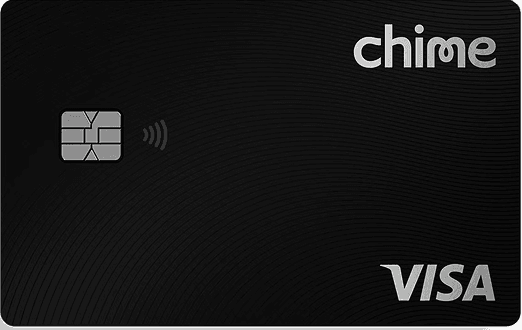
Chime Card™
Chime Card™ is Chime's secured credit card and has the reliable Chime credit-building features plus 5% cash back rewards on category of choice (with qualifying direct deposit) and access to cash at ATMs.¹
Fee
$0
APR
No interest
Minimum Deposit Amount
$0
Credit Check
No
Cashback
5% cash back rewards on category of choice (with qualifying direct deposit)
Benefit
Overdraft up to $200 without fees for eligible members.
If you prefer a card that also gives cash back while you build, the Current Build Card reports your everyday spending to the credit bureaus and lets you earn points at select merchants. It pairs a secured structure with rewards, which few starter cards do.
Current Build Card
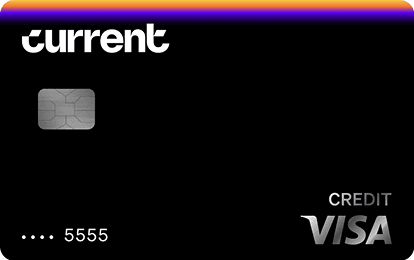
Current Build Card
$0 annual fee. No minimum deposit required. No credit check required. 1 point per dollar on eligible categories. Reports to Experian, TransUnion, Equifax.
Fee
$0
APR
0%
Minimum Deposit Amount
$0
Credit Check
No
Cashback
1 point/dollar on eligible categories (with qualifying payroll deposit)
Benefit
No credit check, no deposit minimum
Pairing Your Card With the Right Bank Account
A rewards card works best when you pay it off in full every month, and that is easier with a bank account that helps you track spending. Current Banking offers a mobile-first account with savings pods, instant spending notifications, and no monthly maintenance fee on its standard account.
Using a checking account like this to auto-pay your card balance keeps you out of interest charges. That matters, because carrying a balance at a 25% APR can wipe out any cash back you earn.
Current Banking

Current Banking
Current is a mobile-first banking app with no monthly fee and no minimum balance. Members can earn up to 4.00% APY with a qualifying direct deposit of $200, receive direct-deposit paychecks up to 2 days early, and overdraft up to $200 fee-free.
Standout feature
4.00% APY on Savings Pods (with a $200+ qualifying direct deposit) plus paycheck up to 2 days early — both included on the standard account for free
Fees
Free
Pros
$0 monthly fee; up to 4.00% APY on Savings Pods with qualifying direct deposit; paycheck up to 2 days early;
Cons
No physical branches
The Bottom Line
There is no single winner in the Bank of America vs Chase credit card matchup, because the right choice depends on you. The Customized Cash Rewards rewards people who can name their top category and stay under the quarterly cap. The Freedom Unlimited rewards people who want simple, uncapped cash back everywhere.
Whatever you choose, pay the balance in full each month so interest never eats your rewards. And if you are not approval-ready yet, a credit builder card is a smart first step.
Frequently Asked Questions
Is Bank of America or Chase better for cash back?
It depends on your spending. Bank of America Customized Cash Rewards can pay 3% in a category you choose, which is great if you have one heavy category. Chase Freedom Unlimited pays a flat 1.5% on everything with no cap, which usually wins for spread-out, everyday spending.
Do these cards charge an annual fee?
No. As of July 2026, both the Bank of America Customized Cash Rewards and the Chase Freedom Unlimited have a $0 annual fee. You only pay interest if you carry a balance, so paying in full each month keeps them free to use.
What credit score do I need for these cards?
Both cards typically require good credit, usually around a 670 FICO score or higher. If your score is lower, approval is less likely. A secured or credit builder card can help you build the history needed to qualify later.
Can I have both a Bank of America and a Chase card?
Yes, many people hold cards from both banks. Just be aware that Chase has an unofficial rule that limits approvals if you have opened several new cards recently. Space out your applications and keep every balance paid to protect your credit score.




