Why Vet Bills Catch Pet Owners Off Guard
According to industry surveys, nearly one in three pet owners have faced a surprise vet bill over $1,000 in the past two years. Emergency surgeries, cancer treatments, and even dental work can easily push costs into four figures. Finding the best credit card for vet bills can mean the difference between saying yes to treatment and delaying care.
Most pet parents do not keep a dedicated savings fund for animal emergencies. A flexible credit line, used responsibly, becomes the safety net. The right card also rewards your everyday spending so you build value over time.
What Makes a Card Good for Vet Bills
A few features matter more than others when your dog needs an X-ray at 2 a.m. Look for a low ongoing APR, a fair credit limit, and no surprise fees. Cards that report to all three credit bureaus also help you build your score while you pay down the balance.
You also want a card that accepts your application quickly. If you have thin or rough credit, secured and credit-builder options give you a real shot at approval. Rewards are nice, but access to a line of credit matters most in a pinch.
Our Top Picks
Self Visa® Credit Card
Best for: first-time credit builders who want structure.
If you are still working on your score, the Self Visa® Credit Card is a solid way to build credit while keeping a line available for unexpected pet costs. You unlock the card after making on-time payments on a Self credit builder loan, so it doubles as a savings habit. Terms and conditions apply.
Kikoff Secured Credit Card
Best for: low deposit and fast setup.
The Kikoff Secured Credit Card lets you start with a modest deposit, which is helpful if you want a card ready before any vet emergency. It reports to major bureaus and has no annual fee, making it a low risk option for building credit.
OpenSky
Best for: applicants with no credit check.
OpenSky does not require a credit check, so it is popular for people rebuilding after a rough patch. Your deposit sets your limit, which gives you a predictable cushion for pet bills.
Current Build Card
Best for: debit-style spending with credit building baked in.
The Current Build Card works more like a debit card but reports activity to the bureaus. That structure can help you avoid interest while still showing a positive payment history for future financing needs.
Aspire Mastercard
Best for: an unsecured starter card with a real credit line.
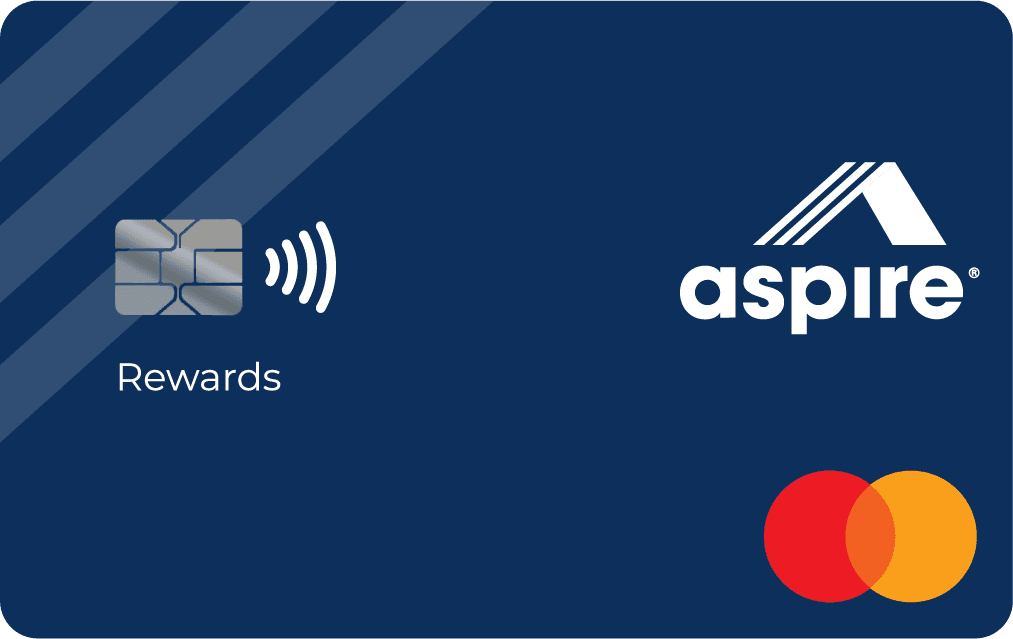
If you would rather not tie up cash in a deposit, the Aspire Mastercard is an unsecured option built for people with less-than-perfect credit. It gives you an actual revolving line you can tap when a vet bill lands, and it reports your payments so you keep building credit while you pay the balance down. Review the terms, since starter unsecured cards can carry higher fees than secured ones.
Aspire® Cash Back Rewards Mastercard
Aspire® Cash Back Rewards Mastercard
Aspire® Cash Back Rewards Mastercard. Prequalify* For Up To $1000 Credit Limit. No security deposit. Packed with great benefits, it’s designed to give you more flexibility—and purchasing power—along with up to 3% cash back rewards!** Good anywhere Mastercard is accepted, it’s the go-to card for any lifestyle.
Standout feature
Up to 3% cashback rewards**
Fees
$85–$175 first year, $229 thereafter (maintenance fees already included)
Pros
No Deposit Required. Prequalify* for up to $1000 credit limit
Cons
High APR, 36% Fixed.
How CareCredit Fits In
CareCredit is a health and pet care financing option offered by many vet clinics. It often advertises promotional no-interest periods if you pay the full balance before the promo ends. The catch is deferred interest, which can get expensive if you miss the deadline.
CareCredit can make sense for very large bills when you have a clear payoff plan. For smaller or recurring vet costs, a general purpose credit card with a reasonable APR is usually easier to manage. Always read the fine print before you sign at the clinic counter.
Emergency Financing Tips
Ask for an itemized estimate
Before you commit, ask the vet for a written estimate. Many clinics offer payment plans or charity partnerships for qualifying cases. A second opinion can also reveal lower cost treatment paths.
Spread the bill across tools
If the bill is big, you might combine a credit card with a clinic payment plan. Paying part up front can reduce the balance that accrues interest. This mix keeps any single account from maxing out, which protects your credit utilization.
Build before you need it
The best time to prepare is before a crisis. Opening a credit builder card now gives future-you a working credit line and a stronger score when underwriters review your file.
Alternatives to Credit Cards
Pet insurance is the most direct way to cap emergency costs. Premiums vary by breed and age, but reimbursement can cover 70 to 90 percent of a big bill. Nonprofits like RedRover and breed-specific rescues sometimes offer grants for urgent procedures.
A small personal loan from a credit union may also work, especially if you can lock in a fixed rate. APRs vary by creditworthiness, so compare offers before you apply.
When the bill is small and you just need a few hundred dollars to bridge the gap until payday, a cash-advance app can beat charging the whole visit. Klover offers interest-free advances with no mandatory tips, so you can cover an urgent co-pay or medication refill without piling on high-interest debt. Treat it as a short-term cushion for the emergency, then pay it back on your next deposit.
Klover

Klover
Need cash before payday? Klover gives you instant access to up to $750 with no credit check, no interest, and no late fees. Earn points through surveys, receipt scanning, and daily activities to unlock higher advance amounts.
Standout feature
Up to $750 cash advance with no interest or credit check. Free standard delivery.
Fees
Free (optional instant delivery fee)
Pros
No interest or required fees. Quick access to cash advances. Multiple ways to earn points and unlock higher limits.
Cons
Points system can be grindy with ads and games required.
Related Reading
Frequently Asked Questions
What is the best credit card for vet bills if my credit is poor?
Secured cards such as OpenSky and the Kikoff Secured Credit Card are designed for people with limited or rough credit. They give you a real credit line while helping you build a score for better cards later.
Can I use a 0% APR card for a big surgery?
Yes, if you qualify. A true 0 percent intro APR card lets you spread payments over 12 to 18 months without interest. Just make sure you can pay it off before the promo ends, because regular rates can be high.
Should I use CareCredit or a regular credit card?
CareCredit can help with very large bills if you stay inside the promo window. For smaller bills, a general card with a steady APR is often easier to manage and does not carry deferred interest risk.
Will vet bills hurt my credit score?
A vet bill only hurts your score if it goes unpaid and gets sent to collections. Paying on time, even the minimum, protects your score and builds positive history.

Firstcard was founded in 2020 by Kenji Niwa, an immigrant founder who was turned down for his first U.S. credit card because he had no credit score. So he set out to build the card he couldn't get. Firstcard launched its own card, the Firstcard Secured Credit Builder Card. The program received more than 250,000 applications and served tens of thousands of cardholders. In February 2026, Firstcard became a marketplace for financial products, with the same mission: to help people build credit and reach financial freedom. Today we compare credit cards, cash advance apps and credit builders, so you can choose the right one with confidence. This editorial team is led by Chief Editor Kenji Niwa. We check fees, APRs and terms against each provider's own documents and note the date we checked. We also interview real users and the companies that offer credit cards and loans. Our ratings use the same standards whether or not Firstcard earns money from a product. Full profile and latest articles →