A 500 FICO score sits in the deepest part of subprime. Lenders see it and most close the door before you finish typing. The good news is that a small but real group of credit cards for bad credit still says yes to a 500, and using one responsibly can push you out of subprime in under a year.
This guide ranks the seven best credit cards for a 500 credit score in 2026. Every card on this list has documented approvals at 500 or below, reports to all three credit bureaus, and is available nationwide. We focus on secured cards and credit builder cards because they are the realistic options at this score range, and we are upfront about fees so you can pick the right one for your budget.
What a 500 Credit Score Means for Card Approval
A 500 FICO is considered deep subprime. About 18 percent of Americans have a score below 600, so you are not alone, but most major issuers like Chase, Amex, and Citi will deny applications at this level. Unsecured cards aimed at bad credit users will sometimes approve a 500, but they often come with annual fees of $75 to $150 and high APRs above 30 percent.
The smart move at a 500 score is a secured credit card or a no credit check credit builder card. With these, the issuer has very little risk because you either put down a deposit or fund spending from your own bank balance. That means approval is nearly automatic if you have any income. If you also need cash beyond what a card can offer, our guide to the best personal loans for bad credit covers the realistic lender options at this score range.
The 7 Best Credit Cards for a 500 Credit Score
Here are the seven cards we recommend, ranked by a combination of approval odds, fees, and credit building impact.
1. Current Build Card
Current Build Card is the top pick because it requires no credit check and no security deposit. You fund the card from your Current bank balance, and your spending limit equals whatever you set aside. Reports to all three bureaus monthly. No annual fee, no interest, no late fees. Best for: anyone who wants the simplest possible card with the lowest possible cost. For a deeper look at the product, see our full Current Build Card review.
2. Self Visa Credit Card
The Self Visa requires you to first open a Self credit builder account (basically a small loan). After a few months of on time payments, the savings in that account become the deposit for the Self Visa. No credit check, no minimum credit score, no annual fee on most plans. Best for: people who want both a loan and a card from one provider.
3. OpenSky Secured Visa
OpenSky is famous for approving people other secured cards reject. There is zero credit check, just a refundable deposit between $200 and $3,000 that becomes your credit limit. Annual fee is $35. Best for: someone with a 500 score plus a recent collection or charge off on file.
4. Kikoff Secured Credit Card
Kikoff lets you pick your own deposit, even as low as $5, and reports to all three bureaus. No annual fee. The line is small, so it builds payment history without much utilization impact. Best for: people who want full control over how much cash they tie up in the deposit.
Current Build Card
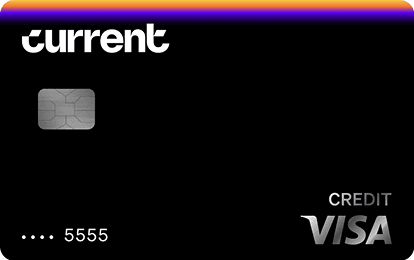
Current Build Card
$0 annual fee. No minimum deposit required. No credit check required. 1 point per dollar on eligible categories. Reports to Experian, TransUnion, Equifax.
Fee
$0
APR
0%
Minimum Deposit Amount
$0
Credit Check
No
Cashback
1 point/dollar on eligible categories (with qualifying payroll deposit)
Benefit
No credit check, no deposit minimum
Kikoff Secured Credit Card
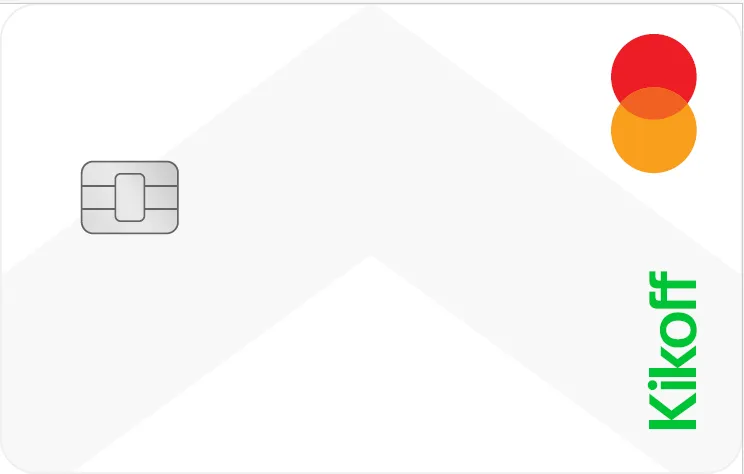
Kikoff Secured Credit Card
Kikoff Secured Credit Card works like a debit card & checking account and performs like a credit builder. Build credit with your everyday purchases.
APR
0%
Minimum Deposit Amount
$0
Credit Check
No
Cashback
Yes
Benefit
0% interest. No credit check.
5. Capital One Platinum Secured
Capital One Platinum Secured can approve with a 500 score and a $49, $99, or $200 deposit depending on your full application. No annual fee. After 6 months of on time payments, Capital One often graduates users to an unsecured card. Best for: users who want a path back to a name brand unsecured card.
6. Discover it Secured
Discover it Secured offers 2 percent cash back at gas stations and restaurants and 1 percent on everything else, which is unusual for a secured card. The minimum deposit is $200 and there is no annual fee. Discover reviews accounts after 7 months for graduation to unsecured. Best for: someone with a 500 score who still wants rewards.
7. Mission Lane Visa
Mission Lane is one of the few unsecured cards that will sometimes approve a 500 score. There is no deposit required, but the annual fee runs from $0 to $59 and the APR is high, often around 29 percent or more. Best for: users who absolutely cannot tie up cash in a deposit but want a real card.
How to Use a Card to Move From 500 to 650+
Getting approved is only step one. The score moves from steady use over time. Here is the playbook.
- Set up autopay for the full statement balance every month so you never miss a payment
- Keep credit utilization under 10 percent, meaning if your limit is $300, keep the balance under $30
- Wait at least 6 months before applying for any second card
- Pull your credit reports every 3 months at AnnualCreditReport.com and dispute any errors
Most users following this routine move from a 500 to a 620 to 660 range within 9 to 12 months. After you cross 620, you start getting approved for better products like store cards, no annual fee unsecured cards, and even basic auto loans at decent rates.
Fees and Costs to Watch Out For
Not all cards at this level are good deals. Some unsecured bad credit cards bundle a $75 to $150 annual fee, a monthly maintenance fee, and a setup fee that can eat hundreds of dollars in your first year. Always do the math on the total first year cost before applying.
Secured cards are almost always cheaper because the deposit is yours and you get it back when you close or graduate the account. The only real cost is any annual fee plus interest, which you avoid completely by paying in full.
Mistakes to Avoid at a 500 Score
A 500 score is fragile. One missed payment can drop you another 30 to 60 points and undo months of progress. Avoid these traps:
- Do not apply for three or four cards at once. Each hard inquiry costs a few points, and getting denied does not give those points back
- Do not close your secured card the second you graduate. Keeping it open helps your length of credit history
- Do not chase rewards. At a 500 score, the goal is building positive history, not earning 2 percent back
Final Thoughts
A 500 credit score feels like a wall, but it is really a starting line. The seven cards above all approve at this level, all report positive history, and all give you a path to a 650+ score within a year if you use them carefully. Pick the one whose fee structure fits your budget, set up autopay, and check back in 90 days. The score moves faster than you think.
Frequently Asked Questions
Can I get an unsecured credit card with a 500 credit score?
A handful of unsecured cards like Mission Lane, Indigo, and Milestone will sometimes approve a 500 score, but they typically charge annual fees of $59 to $99 and APRs above 29 percent. A secured card is almost always the cheaper option at this score range.
How long does it take to go from 500 to 650?
Most people with a single new credit builder card and on time payments see their score move from 500 to 650 within 9 to 12 months. Stacking a credit builder loan on top of a card can shorten that timeline by 2 to 3 months because it adds credit mix.
Will applying for a card hurt my 500 score?
A hard inquiry typically lowers your score by 3 to 5 points, and the impact fades over 6 to 12 months. Some of the cards on this list, like Current Build Card and OpenSky, do not run a hard inquiry at all, so you can apply without any score impact.
Should I pay off my whole balance every month?
Yes. Paying the full statement balance avoids all interest, keeps your utilization at zero on the next report, and builds the strongest possible payment history. Carrying a balance does not help your score and just costs you money in interest.