
If you have ever searched for ways to build credit from scratch, you have probably seen the phrase credit builder products thrown around like everyone knows what it means. The truth is, there are five very different product types hiding under that label, and picking the wrong one can cost you months of progress.
This guide walks through all five credit builder product categories, how each one reports to the credit bureaus, and which real partner products are worth a look in 2026. By the end you should know exactly which type fits your situation, whether you are a brand new credit user, a recent immigrant with no SSN history, or someone trying to bounce back from a 500 credit score.
A quick note before we start. Every credit builder product carries some risk, usually in the form of fees or a missed payment that hurts instead of helps. None of these are zero risk options, so read the fine print on any product you pick.
What Counts as a Credit Builder Product
A credit builder product is any financial tool whose main purpose is to add positive payment history to your credit reports at Experian, Equifax, and TransUnion. Most regular credit cards and loans report to bureaus too, but they require decent credit to qualify. Credit builder products are designed for people who cannot qualify for a normal card or loan yet.
There are five main categories:
- Credit builder loans, where you make payments first and get the money at the end
- Credit builder cards, which are usually secured cards backed by a deposit
- Credit builder installments, similar to loans but often with a service component baked in
- Rent and utility reporting, which adds payments you already make every month (rent, phone, electric) to your credit file as positive accounts
- Credit line tradelines, which open a fresh revolving credit account in your name to lift your total available credit and improve your utilization ratio
Each one moves a different part of your FICO score. Loans and installments mostly help your payment history and credit mix. Cards help payment history and credit utilization. Rent and utility reporting can boost length of history or add a fresh positive account fast at almost no cost. Credit line tradelines directly improve your utilization ratio by adding available credit. Knowing which lever you need is the difference between a 30 point bump and a 100 point bump.
Credit Builder Loans
A credit builder loan flips the normal lending model. Instead of getting money up front and paying it back, the lender holds your loan amount in a locked savings account, you make monthly payments for 6 to 24 months, and you receive the cash plus any interest at the end. Every on time payment is reported to all three bureaus.
These loans are a good fit if your main weakness is a thin file, meaning you have very few accounts on your credit report. They are also forgiving on approval because the lender is not taking much risk, since they hold the money the whole time.
Self Credit Builder Account
Self is the best known credit builder loan in the United States, with over 4 million customers. Plans start at $25 per month for 24 months and the account reports to all three bureaus. There is a small administrative fee, around $9, and interest you do not get back, but most users see a score lift in the first 60 to 90 days. Self is a strong starter pick for anyone with no credit history.

Cheers
Cheers is a newer entrant that bundles a credit builder loan with budgeting features and AI-powered accelerated reporting to all three bureaus. Plans start at $24 per month for a 24-month term, with no application fees, no maintenance charges, and no early cancellation penalties. It works well if you want a slightly more modern app experience than Self offers and want to see credit reporting kick in faster.
Cheers Credit Builder Loan

Cheers Credit Builder Loan
AI-powered credit builder with accelerated reporting to all 3 bureaus, designed to make credit building simple and affordable.
Loan Amount
Multiple plans (starting at $24/mo)
Term
24 months
APR
12.15% (fixed)
Admin Fee
$0
Monthly Fee
$0
Credit Check
No
Average Score Increase
95% of users with fair credit see a 20+ point increase in just 2 months
MoneyLion Credit Builder Plus
MoneyLion offers a Credit Builder Plus membership for $19.99 per month. It is a hybrid product, part loan, part cash advance, part bank account. You can borrow up to $1,000 immediately with APR starting at 5.99 percent (up to 29.99 percent depending on profile), and the rest is held in a locked account, so it feels less like a delayed payoff. Reports to all three bureaus.
Credit Builder Cards
A credit builder card is almost always a secured credit card, meaning you put down a refundable security deposit that becomes your credit limit. Some newer cards skip the deposit and instead pull funds from a linked bank balance. Either way, on time payments and low utilization both report to the bureaus, which makes cards more powerful than loans for most people. If you are weighing the two formats side by side, the credit builder loan vs secured credit card breakdown covers the trade offs in detail.
Cards help your score two ways at once: payment history, which is 35 percent of FICO, and utilization, which is 30 percent. That double impact is why most credit experts suggest a credit builder card as the first credit builder product to open.
Current Build Card
Current Build Card is a no deposit, no credit check card that pulls funds from your Current bank balance to set a spending limit. There is no annual fee and no interest because you are spending your own money. Reports to all three bureaus monthly. Best for: anyone who wants the simplest possible path to a positive tradeline.
Current Build Card
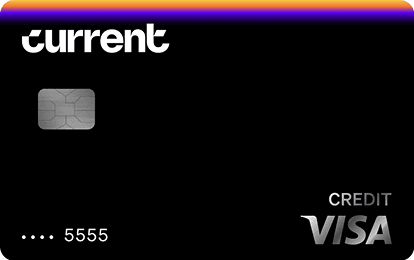
Current Build Card
$0 annual fee. No minimum deposit required. No credit check required. 1 point per dollar on eligible categories. Reports to Experian, TransUnion, Equifax.
Fee
$0
APR
0%
Minimum Deposit Amount
$0
Credit Check
No
Cashback
1 point/dollar on eligible categories (with qualifying payroll deposit)
Benefit
No credit check, no deposit minimum
Self Visa Credit Card
The Self Visa card unlocks after you have made a few payments on a Self credit builder loan. The savings from your loan act as the security deposit, so you do not need to come up with extra cash. The card carries a $0 intro annual fee in year one and a $25 annual fee each year after that, with no minimum credit score required.

OpenSky Secured Visa
OpenSky is one of the few secured cards that does no credit check at all, just a deposit between $200 and $3,000. Annual fee is $35. It is a workhorse pick for anyone whose credit was damaged by past collections.

Kikoff Secured Credit Card
Kikoff offers a secured card with no annual fee, no minimum deposit (you set it), and reporting to all three bureaus. Good fit for users who want flexibility on deposit size.
Kikoff Secured Credit Card
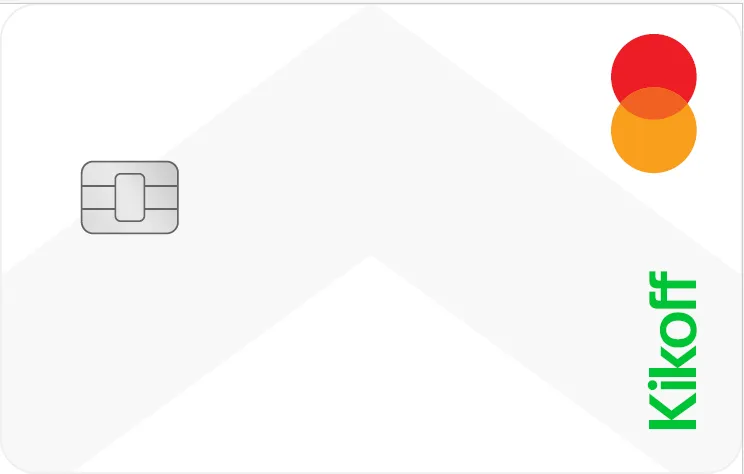
Kikoff Secured Credit Card
Kikoff Secured Credit Card works like a debit card & checking account and performs like a credit builder. Build credit with your everyday purchases.
APR
0%
Minimum Deposit Amount
$0
Credit Check
No
Cashback
Yes
Benefit
0% interest. No credit check.
Credit Builder Installments
Credit builder installments look a lot like loans, but they are usually paired with a service like rent reporting, subscription tracking, or bill financing. The line between an installment and a loan gets blurry, so the simplest way to think about it is this: a loan returns your money at the end, an installment usually does not but adds a service in exchange.
Credit Strong
Credit Strong offers installment accounts (CS Build and CS Stretch) from $15 to $48 per month for 12 to 120 months. The longer term plans build a serious length of history, which matters as the average age of your accounts grows. Reports to all three bureaus. If you want a Credit Strong product that improves credit utilization instead of just installment history, see Magnum by Credit Strong in the credit line tradelines section below.
Kovo
Kovo charges $10 per month for 24 months and reports to all four bureaus, including Innovis. Total cost is $240 over the two-year term, which Kovo treats as the price of the service itself rather than money returned at the end. In place of a savings payout, Kovo bundles digital courses on personal finance and entrepreneurship plus a rewards program that unlocks up to $1,225 in sign-up bonuses on partner products after four on-time payments. Lower cost than most options and a good fit for tight budgets, as long as you understand the $240 is not refunded.
Rent & Utility Reporting
Rent and utility reporting takes a payment you are already making every month — rent, phone, electric, streaming subscriptions — and submits it to the credit bureaus as a positive account. You are not adding any new monthly cost, just turning an existing one into credit-building fuel. This is often the fastest way to see a score increase because every reliable on time payment immediately starts building positive history.
Self.Inc Rent & Utility Reporting
Self.Inc Rent & Utility Reporting has a free tier that reports your on-time rent payments to all three credit bureaus each month — no monthly fee, no credit check, no deposit. A premium tier at $6.95 per month adds cellphone and other utility bill reporting to TransUnion only. The free tier alone is the easiest entry point in this category, and you can stack it on top of an existing Self credit builder loan for a double tradeline lift.
Self.Inc: Rent & Utility Reporting

Self.Inc: Rent & Utility Reporting
We’ll report those on-time rent and phone payments for you each month to the credit bureaus for FREE.
Standout feature
Free Rent Reporting
Fees
$0
Pros
Completely Free for Rent Reporting
Cons
Requires bank account linking
Boom
Boom reports your rent payments to all three bureaus for $2 per month (paid annually as $24), with a one-time $10 enrollment fee and optional back reporting of up to 24 months for a $25 one-time fee. If you have been paying rent reliably, back reporting can add a big chunk of positive history overnight.
Experian Boost
Experian Boost is free and reports your utility, phone, and streaming subscription payments to Experian only. Since it only hits one bureau, the score impact is smaller, but you cannot beat the price.
StellarFi
StellarFi charges $4.99 to $19.99 per month depending on tier and the number of bills you want covered. Higher tiers add more bill slots and features. StellarFi has shifted in recent years from a pure bill-pay reporting service toward a credit-card centered product (Silver, Gold, and Stellarite tiers), but the core mechanic still reports your bill payments to the credit bureaus.
Credit Line Tradelines (For Improving Credit Utilization)
A credit line tradeline is a credit builder product that opens a real revolving credit account in your name. Unlike rent and utility reporting (which submits payments you already make), these products add an actual credit limit to your file. That lifts your total available credit and lowers your overall credit utilization ratio. Utilization is 30 percent of your FICO score, and many thin-file users have no revolving accounts at all, so this category can move the score needle quickly. Two partner products fit this category in 2026: the Kikoff Credit Account and Magnum by Credit Strong.
Kikoff Credit Account
The Kikoff Credit Account is a $750 revolving line of credit (separate from Kikoff's secured card) that costs $5 per month with 0 percent interest on the Basic tier. Kikoff reports the full $750 line to all three major bureaus (Equifax, Experian, and TransUnion), which can drop your utilization significantly if you currently have only one or two credit cards with low limits. The line is restricted to Kikoff's online store, so it is not a general-purpose card, but the credit-building mechanics are the same.
Kikoff Credit Account

Kikoff Credit Account
Everything you need to build your credit, right in one app. Build credit, lower debt, and unlock progress with tools that actually work.
Standout feature
An avg increase of +86 points within a year with on-time payments
Fees
$5/month for Basic plan, $20/mo for Premium plan $35/mo for Ultimate plan
Pros
Helps both payment history and credit utilization, the two factors that move scores most
Cons
Monthly fee continues for as long as you keep the account open
Magnum by Credit Strong
Magnum by Credit Strong is a high-limit credit line tradeline designed for thin-file users who want a meaningful jump in available credit. Plans build $2,000 to $25,000 of credit history starting at $30 per month, with no hard credit pull, and reports to all three bureaus. Because the reported credit limit is so much larger than what most secured cards offer, Magnum can move utilization more aggressively than a credit-builder card alone.
Magnum by CreditStrong

Magnum by CreditStrong
MAGNUM helps you build large amounts of credit. Build $2,000 to $25,000 of credit history starting at just $30/mo. No hard credit pull. Reports to all 3 bureaus.
Loan Amount
$2,000 to $25,000
Term
45 months or 120 months
APR
11.11%
Admin Fee
$25
Monthly Fee
$30/mo to $110/mo depends on the plan
Credit Check
No
Average Score Increase
88+ points average FICO score increase
Which Credit Builder Product Should You Pick
Most people benefit from stacking two or three of these at once. A common starter combo is one card, one loan or installment, and one rent/utility reporting service. That covers payment history, utilization, credit mix, and adds a fresh positive account, hitting four FICO factors with one strategy.
If you are brand new to credit, start with a no deposit card like Current Build Card or a low cost loan like Self. If your file already has a few accounts and you want to push utilization down faster, layer in a credit line tradeline like Kikoff Credit Account or Magnum. If your weakest spot is length of history, add Self.Inc Rent & Utility Reporting (free) or Boom with back reporting on top.
Final Thoughts
Credit builder products are tools, not magic. The product is only as good as your consistency in paying it on time and keeping balances low. Pick one from each major category that fits your budget, set up autopay, and check your score with a free credit monitoring tool in 60 to 90 days. That is the entire playbook for going from no credit to a usable score in under a year.
Frequently Asked Questions
How fast do credit builder products raise your score?
Most users see a measurable change within 60 to 90 days of consistent on time payments. The exact lift depends on your starting score, your credit mix, and which bureaus the product reports to. A thin file moving from no score to a 650+ can take 6 months of steady use.
Do credit builder products require a credit check?
Most credit builder loans, secured cards, rent reporting tools, and credit line tradelines use a soft pull or no pull at all, since the lender is not taking real risk. Always check the product page to confirm before applying. A soft pull does not affect your score.
Can I stack multiple credit builder products at the same time?
Yes, and most experts recommend it. Pairing a card with a loan, a rent reporting tool, and a credit line tradeline hits more FICO factors at once. Just make sure you can comfortably afford the combined monthly cost, since a missed payment on any of them will hurt more than the boost you are getting.
What is the difference between rent/utility reporting and a credit line tradeline?
Rent and utility reporting (like Self.Inc Rent & Utility Reporting, Boom, or Experian Boost) submits payments you are already making, such as rent or utilities, to the bureaus as positive history. A credit line tradeline (like Kikoff Credit Account or Magnum by Credit Strong) opens a brand new revolving credit account in your name with an actual credit limit, which builds payment history AND boosts your total available credit to improve utilization.
What is the cheapest credit builder product?
Self.Inc Rent & Utility Reporting (free tier) and Experian Boost are both free, though Experian Boost only reports to one bureau. After that, Boom rent reporting at $2 per month, the Kikoff Credit Account at $5 per month, and Kovo at $10 per month are among the lowest cost ways to add positive history that reaches multiple bureaus.




