
Citi has published financial education content explaining the difference between debit cards and credit cards, and it's one of the clearest breakdowns available from a major bank. But there's more to the picture than what fits in a quick explainer. Here's a complete comparison, with the legal specifics and practical implications, so you can decide which type of card fits your financial situation.
How Each Card Works
A debit card draws directly from your checking account. When you swipe, the money leaves your balance immediately or within one to two business days. You can only spend what you have. There is no billing statement, no minimum payment, and no interest charge.
A credit card gives you a revolving line of credit from the issuing bank. When you buy something, the bank pays the merchant, and you pay the bank back, either in full by the due date or in minimum payments over time. If you carry a balance, interest accrues at your card's purchase APR.
The Fraud Protection Difference Is Significant
This is where debit cards and credit cards diverge most sharply, and it matters for everyone.
Credit cards are governed by the Fair Credit Billing Act (FCBA). Under the FCBA, unauthorized charges are treated as a billing error, not a loss of your money. Your maximum liability is $50, and most major card networks (Visa, Mastercard, American Express) have voluntarily reduced that to $0. When fraud hits your credit card, you dispute a charge that the bank's money paid. Your own money is not at risk.
Debit cards fall under the Electronic Fund Transfer Act (EFTA) and Regulation E. The liability limits depend on how quickly you report:
| Debit Card Fraud Timing | Your Maximum Liability |
|---|---|
| Reported within 2 business days | $50 |
| Reported 3 to 60 days after statement | $500 |
| Reported after 60 days | Unlimited (full loss) |
With debit fraud, the money is already gone from your checking account before you even know it happened. Getting it back requires a bank investigation, which can take days or weeks. Bills may bounce in the meantime. For a deeper look at how digital payment methods compare on security, see our guide on digital payment systems security vs traditional credit debit cards.
Credit Building: Only Credit Cards Count
Debit cards do not affect your credit score. Period. Your checking account and debit card spending are not reported to Equifax, Experian, or TransUnion. No matter how responsibly you use a debit card, it will not build a credit history.
Credit cards report your account activity to credit bureaus monthly. On-time payments and low credit utilization (ideally below 30%) can improve your FICO score over time. This matters for future loan applications, apartment rentals, and even some job screenings.
As Citi's financial education materials note: responsible credit card use can improve your creditworthiness, while a debit card builds no credit history whatsoever.
Spending Control: Debit Has the Edge
Debit cards cannot let you spend more than your account balance (unless you have overdraft coverage, which carries its own fees and risks). That built-in limit prevents you from accidentally going into debt.
Credit cards require self-discipline. Your credit limit may be $5,000 or $15,000, and you can charge up to that limit without immediate consequence. The risk of overspending is real, and at today's average credit card APR of 21-22% (per Federal Reserve data, early 2026), carrying a large balance gets expensive fast.
If you're working on spending discipline, a debit card removes the possibility of debt from the equation. Our comparison on debit cards vs credit cards budgeting transparency advantages goes deeper on how each type affects spending behavior.
Side-by-Side Comparison
| Feature | Debit Card | Credit Card |
|---|---|---|
| Funds source | Your checking account | Bank's line of credit |
| Interest charges | None | Yes, if you carry a balance |
| Fraud liability | Up to unlimited after 60 days | Capped at $50 (often $0 in practice) |
| Credit building | No | Yes (reports to bureaus monthly) |
| Rewards | Rarely offered | Widely available |
| Overspending risk | Limited to account balance | Up to your credit limit |
| Governing law | EFTA / Regulation E | Fair Credit Billing Act (FCBA) |
| Foreign transaction fees | Varies by bank | Varies by card |
Rewards: Credit Cards Win Clearly
Most debit cards offer no rewards. Some bank checking accounts offer small cash-back perks on debit card purchases, but these are the exception, not the rule. Credit cards routinely offer 1.5% to 5% back, travel miles, or points on purchases. Over a year of normal spending, a good cash-back credit card can return hundreds of dollars.
That said, rewards only pay off if you pay your balance in full. Carrying even a small balance at 20%+ APR will cancel out most rewards programs.
When a Debit Card Makes More Sense
A debit card makes sense if you are building a budget and want to avoid debt risk, you are early in your financial journey and have not yet established a credit history, or you find credit card spending hard to control. It is a perfectly valid and responsible financial tool.
When a Credit Card Makes More Sense
A credit card makes sense if you pay your balance in full every month, you want to build a credit history for future loans or housing, you travel or shop online where fraud risk is higher, or you want to earn rewards on spending you'd do anyway. To understand how debit and credit cards compare for merchants specifically, our piece on benefits of accepting debit cards for merchants vs cash explains the other side of the transaction.
Starting to Build Credit? Consider These Options
If you're using a debit card now and want to start building credit, a secured credit card is often the easiest on-ramp. The Self Visa® Credit Card is a secured card designed specifically for credit building. It reports to all three major bureaus and can be used anywhere Visa is accepted. You can read more in Firstcard's Self Credit Builder Card review. APRs vary by creditworthiness; terms and conditions apply.

The Current Build Card is another credit-building option. It's a secured Visa card that reports to major bureaus with no annual fee. For someone already banking with Current's debit account, it offers a familiar app experience while adding credit-building to the mix.
If you're starting from a thin or no-credit file, the Kikoff Secured Credit Card reports to all three major credit bureaus and is built specifically for new-to-credit users. Firstcard's Kikoff Credit Builder App review has the full breakdown. APRs vary; terms and conditions apply.
Current Build Card
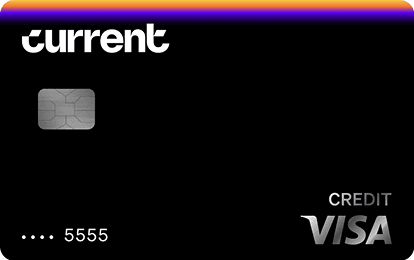
Current Build Card
$0 annual fee. No minimum deposit required. No credit check required. 1 point per dollar on eligible categories. Reports to Experian, TransUnion, Equifax.
Fee
$0
APR
0%
Minimum Deposit Amount
$0
Credit Check
No
Cashback
1 point/dollar on eligible categories (with qualifying payroll deposit)
Benefit
No credit check, no deposit minimum
Frequently Asked Questions
Does using a debit card help build credit?
No. Debit card usage is not reported to any of the three major credit bureaus (Equifax, Experian, or TransUnion). Your checking account balance and debit spending history have no impact on your FICO score. To build credit, you need an account that reports to bureaus, such as a credit card, credit-builder loan, or some secured card products.
What happens if my debit card is used fraudulently?
Under the Electronic Fund Transfer Act (EFTA), your liability depends on how quickly you report the fraud. If you report within two business days, your maximum loss is $50. After two days but within 60 days, the limit rises to $500. After 60 days, you may be liable for the full amount stolen. Report fraud immediately to limit your exposure.
Can I get in trouble with a credit card if I only make minimum payments?
Yes. Paying only the minimum keeps your account in good standing, which is fine for your credit score, but interest accrues on the remaining balance at your full purchase APR. At a 21% APR, a $1,000 balance paying only the minimum can take years to pay off and cost hundreds of dollars in interest. Paying in full monthly avoids interest entirely.
Is a Citi credit card better than a debit card for travel?
For most travelers, a credit card offers stronger fraud protection, no risk of a frozen checking account, and often no foreign transaction fees depending on the card. Citi offers several travel cards with $0 foreign transaction fees. A debit card can work for ATM withdrawals abroad, but the fraud liability risk is higher when using it for purchases at unfamiliar merchants. For a Citi-specific card comparison, see our breakdown of the citi thankyou mastercard to understand how Citi structures its rewards and travel benefits.
Kikoff Secured Credit Card
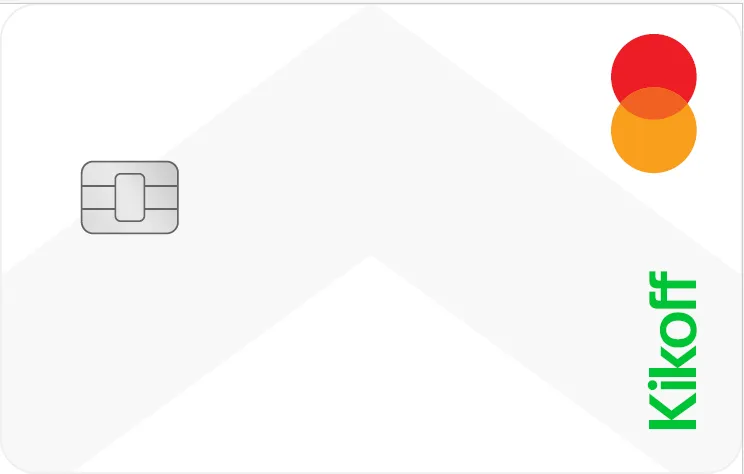
Kikoff Secured Credit Card
Kikoff Secured Credit Card works like a debit card & checking account and performs like a credit builder. Build credit with your everyday purchases.
APR
0%
Minimum Deposit Amount
$0
Credit Check
No
Cashback
Yes
Benefit
0% interest. No credit check.




