Debit vs Credit Cards: Budgeting Transparency Advantages

June 10, 2026

Have you ever reached the end of the month wondering where your money went? The card you reach for most can make a real difference in how clearly you see your spending.

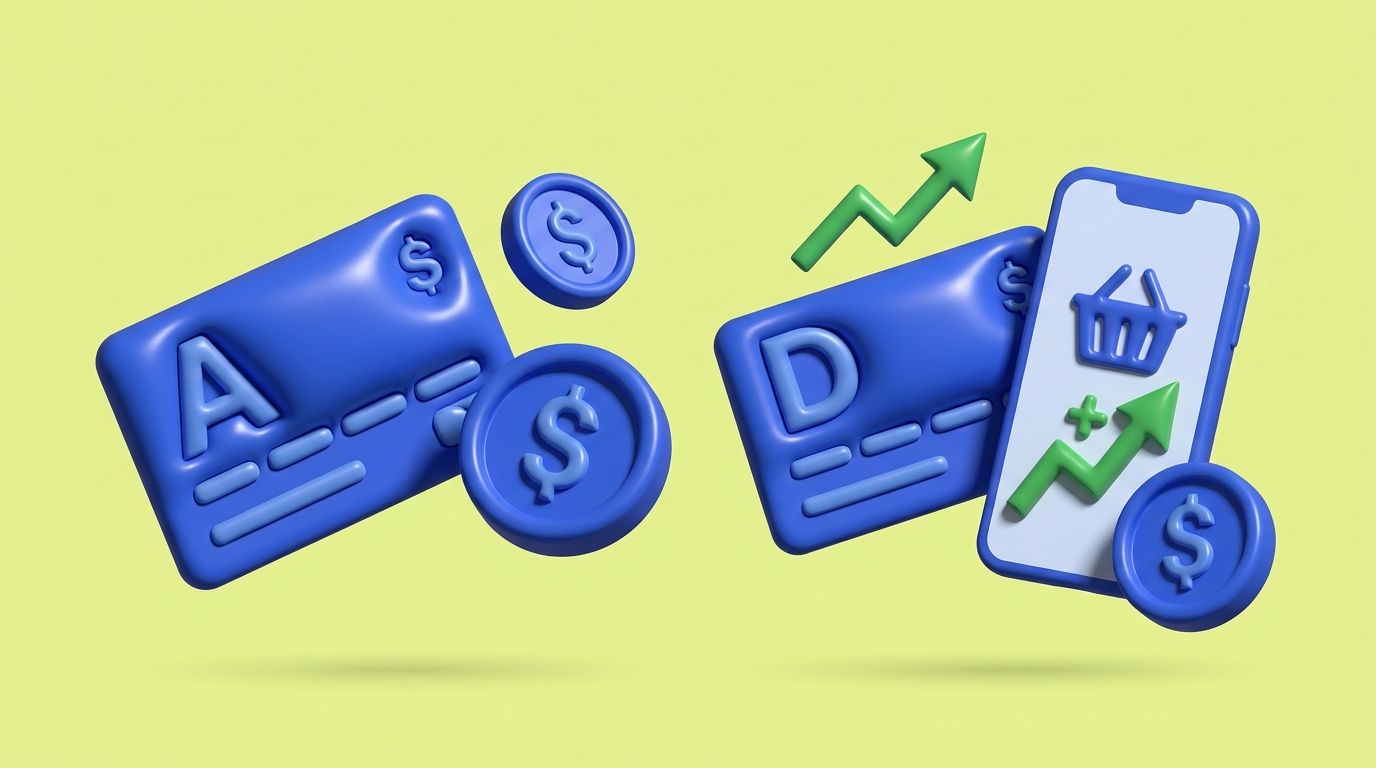
Debit and credit cards each offer different advantages when it comes to budgeting and transparency. This guide compares the two so you can choose the tool that helps you stay in control of your money.

Why Transparency Matters in Budgeting

Budgeting works best when you can clearly see money moving in and out. The more visible your spending, the easier it is to catch overspending before it becomes a problem.

The type of card you use shapes that visibility. One method shows you the impact instantly, while the other adds a delay that can blur the picture.

Understanding this difference is the first step to choosing the right tool. The best card for you is the one that matches how your brain handles money.

How Debit Cards Support Transparency

A debit card pulls money straight from your checking account the moment you spend. You see your balance drop in real time, which makes the cost feel immediate and real.

This instant feedback is a powerful budgeting advantage. When the money is gone right away, it is harder to lose track of what you can actually afford.

Debit also makes it nearly impossible to spend money you do not have, which keeps you grounded. For people who want to avoid debt, that built-in limit is a major plus.

How Credit Cards Affect Transparency

A credit card delays the moment you actually pay, since the bill comes at the end of the cycle. That gap can make spending feel less real in the moment.

The upside is that credit cards bundle all your purchases into one detailed statement. That itemized record can make it easy to review and categorize your spending later.

The risk is that the delay can lead to overspending if you are not careful. Without real-time feedback, small purchases can add up before the bill arrives, and interest can follow if you carry a balance. APRs vary by creditworthiness, so it pays to understand what APR means on a credit card.

Comparing the Two for Everyday Budgeting

Neither card is automatically better, since the right choice depends on your habits. Each offers a different kind of transparency.

Real-Time Awareness with Debit

Debit gives you instant feedback every time you spend. If you tend to lose track of small purchases, that immediacy can keep you honest.

Detailed Records with Credit

Credit gives you a clean monthly statement that groups everything together. Just keep your credit utilization in check, and if you prefer reviewing spending in one place, that record can be useful for budgeting.

Tools That Make Spending Clearer

Modern banking apps can boost transparency no matter which card you use. Real-time alerts, spending categories, and balance updates help you see your money clearly.

If you want a debit-first experience with strong tracking features, a free checking account is a low-cost place to start, and accounts from Current and Chime offer instant transaction alerts and easy-to-read balances. These features can make day-to-day budgeting feel simpler.

Best for: People who want a no-fee mobile bank with early direct deposit, high-yield account

Current Banking

Current Banking
4.6Firstcard rating

Current is a mobile-first banking app with no monthly fee and no minimum balance. Members can earn up to 4.00% APY with a qualifying direct deposit of $200, receive direct-deposit paychecks up to 2 days early, and overdraft up to $200 fee-free.

Standout feature

4.00% APY on Savings Pods (with a $200+ qualifying direct deposit) plus paycheck up to 2 days early — both included on the standard account for free

Fees

Free

Pros

$0 monthly fee; up to 4.00% APY on Savings Pods with qualifying direct deposit; paycheck up to 2 days early;

Cons

No physical branches

If you also use credit and want to track its impact, monitoring your profile helps, and the same trade-offs show up when you compare debit and credit for business cash flow. A tool like Creditship.ai can help you keep an eye on your credit as you build healthy habits. Terms and conditions apply.

Best for: People who want a no-fee, no-interest path to build credit plus fee-free everyday banking

Chime

Chime
5Firstcard rating

- Fee-free banking plus early pay access - Overdraft up to $200 without fees - 5% cash back and build credit everyday. - 3.75% APY on your savings.

Standout feature

No credit check, no interest, no annual fee, and no minimum deposit required.

Fees

$0

Pros

Fee-Free Banking and Get paid up to 2 days early

Cons

App/online-only support, no branches

Building Habits That Stick

The most transparent card in the world will not help if you ignore your balance. Good budgeting comes from regular check-ins, not just the right tool.

Try reviewing your spending weekly, whether you use debit, credit, or both. A quick look can catch problems early and keep your budget on track.

Many people use debit for everyday spending to stay grounded and credit for specific purchases they track closely. The goal is a system that keeps your spending visible and under control.

Next Steps

Debit cards offer instant, real-time transparency, while credit cards offer detailed records and added flexibility. Neither is universally better, so choose based on how you handle money.

Whatever you pick, lean on banking tools that surface your spending clearly and check in regularly. With the right setup, you can budget with confidence and always know where your money is going.

Frequently Asked Questions

Are debit cards better for budgeting than credit cards?

Debit cards offer real-time transparency, since the money leaves your account instantly. That immediacy helps many people avoid overspending. Credit cards offer detailed monthly records instead, so the better choice depends on how you handle money.

How do credit cards affect spending transparency?

Credit cards delay payment until the statement arrives, which can make spending feel less real in the moment. The upside is a detailed, itemized statement that makes reviewing purchases easy later. The risk is overspending and interest if you carry a balance.

Can I use both debit and credit for better budgeting?

Yes. Many people use debit for everyday spending to stay grounded and credit for specific tracked purchases. Combining the real-time awareness of debit with the detailed records of credit can give you a fuller picture of your money.

What tools help make spending more transparent?

Modern banking apps with real-time alerts and spending categories make budgeting easier. Accounts from Current and Chime offer instant transaction alerts and clear balances. If you use credit, a monitoring tool like Creditship can help you track its impact on your profile.


Firstcard Educational Content Team

Firstcard Educational Content Team - June 10, 2026

Credit building
for all

Build credit early, earn cashback, grow your savings all in one place.
Credit building for all