Business Debit vs Credit Cards: Cash Flow Compared

June 10, 2026

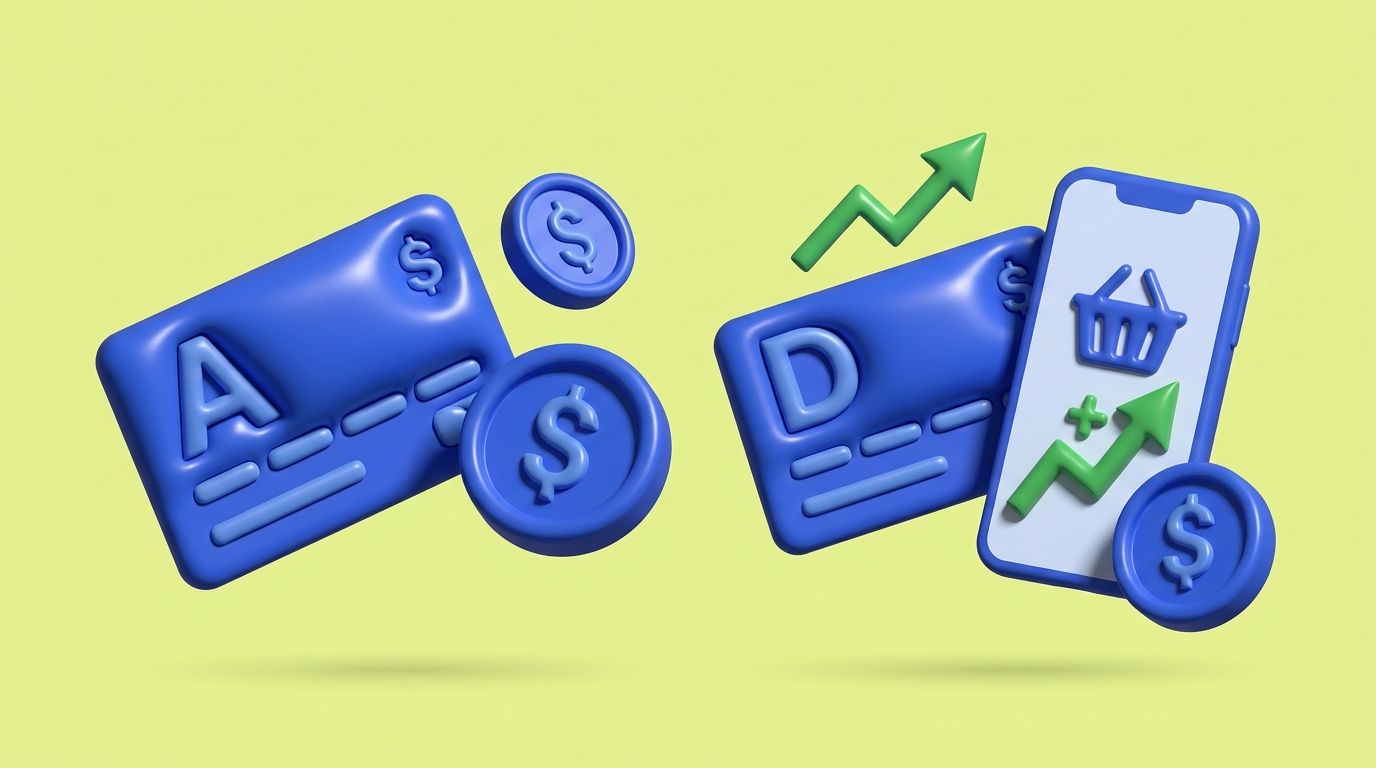
Ever wonder why two business owners spending the same amount can have wildly different cash flow? Often the answer comes down to one choice: paying with a debit card or a credit card.

Both tools move money, but they affect the timing of your cash very differently. This guide compares business debit and credit cards through the lens of cash flow, so you can pick the right tool for your situation.

Cash Flow in Plain Terms

Cash flow is simply the timing of money moving in and out of your business. Even a profitable business can run into trouble if cash leaves faster than it comes in.

The payment method you use directly shapes that timing. A debit card pulls money out immediately, while a credit card delays the outflow until your statement is due.

That timing gap is the heart of the debit-versus-credit decision. Understanding it helps you keep enough cash on hand to cover payroll, inventory, and surprises.

How a Business Debit Card Affects Cash Flow

A business debit card pulls funds straight from your business checking account the moment you spend. There is no bill later, because the money is already gone.

This gives you tight control and makes overspending harder, since you can only spend what you have. It also avoids interest charges entirely, which keeps costs predictable.

The trade-off is that you get no float, the short delay between buying something and paying for it. If a big expense hits before your customers pay you, a debit card offers no cushion.

How a Business Credit Card Affects Cash Flow

A business credit card delays the outflow of cash until your statement is due, often weeks later. That gap is called float, and it can be valuable when revenue arrives on a delay.

For example, you might buy inventory now and sell it before the bill comes due. Used carefully, that timing can smooth out uneven cash flow and keep operations running.

The risk is real, though. If you carry a balance, interest charges add up, and APRs vary by creditworthiness, so it helps to understand what APR means on a credit card before you lean on float. A credit card helps cash flow only when you pay the balance in full on time.

Control and Risk: A Side-by-Side Look

Debit and credit cards sit at opposite ends of the control spectrum. Each has strengths depending on how disciplined your spending is.

Where Debit Wins

Debit cards prevent debt and force you to live within your real balance. For owners who want strict limits, that built-in discipline is a feature, not a flaw.

Where Credit Wins

Credit cards offer float, build business credit history, and often add purchase protections. Keeping your credit utilization low while you do so protects your score, and the card can also help cover emergencies when cash is temporarily short.

Tools That Fit Each Approach

Many business owners use both, choosing the tool that fits each purchase. The key is matching the method to your cash flow needs and your discipline.

If you want the control of spending only what you have, a banking product with a strong debit experience helps, and a free checking account keeps your costs down while you do it. Accounts from Current and Chime offer debit-based spending with features that make tracking your money easier.

Best for: People who want a no-fee mobile bank with early direct deposit, high-yield account

Current Banking

Current Banking
4.6Firstcard rating

Current is a mobile-first banking app with no monthly fee and no minimum balance. Members can earn up to 4.00% APY with a qualifying direct deposit of $200, receive direct-deposit paychecks up to 2 days early, and overdraft up to $200 fee-free.

Standout feature

4.00% APY on Savings Pods (with a $200+ qualifying direct deposit) plus paycheck up to 2 days early — both included on the standard account for free

Fees

Free

Pros

$0 monthly fee; up to 4.00% APY on Savings Pods with qualifying direct deposit; paycheck up to 2 days early;

Cons

No physical branches

If building business credit matters, monitoring your profile helps you see progress, and the same transparency benefits apply when you weigh debit versus credit for budgeting. A tool like Creditship.ai can help you keep an eye on your credit as your business grows. Terms and conditions apply.

Best for: People who want a no-fee, no-interest path to build credit plus fee-free everyday banking

Chime

Chime
5Firstcard rating

- Fee-free banking plus early pay access - Overdraft up to $200 without fees - 5% cash back and build credit everyday. - 3.75% APY on your savings.

Standout feature

No credit check, no interest, no annual fee, and no minimum deposit required.

Fees

$0

Pros

Fee-Free Banking and Get paid up to 2 days early

Cons

App/online-only support, no branches

Choosing the Right Mix for Your Business

There is no single right answer, since the best tool depends on your cash flow and habits. Many owners use debit for routine, controlled spending and credit for larger or timing-sensitive purchases.

Start by mapping when money comes in versus when bills are due. If revenue lags your expenses, the float from a credit card may help, as long as you pay in full.

If your income is steady and you want to avoid debt, leaning on debit keeps things simple. The goal is a system you can manage without stress.

Next Steps

Business debit and credit cards both have a place, and the difference comes down to timing and control. Debit protects you from debt, while credit can provide breathing room when used responsibly.

Look at your own cash flow pattern, then choose the tool, or mix of tools, that fits. Whatever you pick, track your spending closely so your business always has the cash it needs.

Frequently Asked Questions

What is the main cash flow difference between business debit and credit cards?

A business debit card pulls money out immediately, so there is no delay. A business credit card delays the outflow until your statement is due, giving you float. That timing gap is the core difference that affects your cash flow.

Is a debit or credit card better for a small business?

Neither is automatically better. Debit cards prevent debt and enforce discipline, while credit cards offer float and can build business credit. Many owners use both, matching the tool to each purchase and their cash flow needs.

Does using a business credit card help cash flow?

It can, by delaying when cash leaves your account until the statement is due. That float helps when revenue arrives on a delay. The benefit only holds if you pay the balance in full, since interest charges can outweigh it. APRs vary by creditworthiness.

Can I use both a debit and credit card for my business?

Yes, and many owners do. Using debit for routine spending and credit for larger or timing-sensitive purchases can balance control and flexibility. Banking products from Current and Chime support debit spending, and a tool like Creditship can help you monitor your credit.


Firstcard Educational Content Team

Firstcard Educational Content Team - June 10, 2026

Credit building
for all

Build credit early, earn cashback, grow your savings all in one place.
Credit building for all