
Using a credit card outside the United States can be one of the smartest ways to pay. You get better exchange rates than most currency kiosks, fraud protection, and rewards on every swipe.
The trick is choosing a card that does not charge foreign transaction fees and knowing how to use it well. A few small habits can save you a lot of money on every trip.
Why Foreign Transaction Fees Matter
Many credit cards add a foreign transaction fee of 1% to 3% on every purchase made outside the U.S. or with a foreign merchant. That includes online orders from international websites. For a full list, see our roundup of credit cards with no foreign transaction fees.
On a $3,000 trip, a 3% fee adds $90 in pure cost. Over a year of travel, that adds up fast.
Several popular cards skip the fee entirely. The Capital One Venture, Chase Sapphire Preferred, and Discover it Cash Back all charge 0% on foreign transactions, which makes them strong options for travelers. You can also compare the best credit cards for international travel with no annual fee if you want to skip both fees at once.
Your Credit Score Comes First
Before you can pick up a no-foreign-fee card, you usually need decent credit. Most travel cards expect a score in the high 600s or above. If you are new to the U.S. credit system, the Zolve credit card is one option built specifically for international workers.
That is why monitoring your credit before you apply is so useful. Creditship is a free credit monitor that helps you track your score and spot issues that could block approval for the card you want. Terms and conditions apply. APRs vary by creditworthiness.
Creditship

Creditship
Get free credit monitoring and concrete advice how to improve your credit from Creditship AI.
Standout feature
AI Credit Coach. AI analyzes your credit report in depth and gives you tailored, actionable steps to raise your score.
Fees
Free
Pros
Free credit report access plus monitoring and alerts
Cons
No credit repair feature
Knowing where your score stands makes the application process less of a guessing game. You can apply with confidence instead of risking a hard inquiry on a card you might not get.
Best Card Options for International Use
A few cards stand out for international transactions because they charge no foreign transaction fee and offer travel-friendly perks.
The Capital One Venture earns flat rewards on every purchase and works on the Visa network, which is accepted in most countries. It also bundles travel insurance and rental car protection. Premium travelers may also want to compare the Capital One Venture X foreign transaction fee policy.
The Chase Sapphire Preferred carries no foreign transaction fee and earns extra points on dining and travel. Many travelers like its trip cancellation coverage and primary auto rental insurance.
The Discover it Cash Back has no foreign transaction fee either. The catch is that Discover acceptance is more limited in Europe and Asia, so it works best as a backup card.
Don't have an Amex Platinum or Chase Sapphire Reserve yet? Aspire Mastercard is the most common stepping-stone for building the credit history premium travel cards want. Unsecured, no deposit, 580+ FICO, with on-time history reported to all three bureaus.
Aspire® Cash Back Rewards Mastercard

Aspire® Cash Back Rewards Mastercard
Aspire® Cash Back Rewards Mastercard. Prequalify* For Up To $1000 Credit Limit. No security deposit. Packed with great benefits, it’s designed to give you more flexibility—and purchasing power—along with up to 3% cash back rewards!** Good anywhere Mastercard is accepted, it’s the go-to card for any lifestyle.
Standout feature
Up to 3% cashback rewards**
Fees
$85–$175 first year, $229 thereafter (maintenance fees already included)
Pros
No Deposit Required. Prequalify* for up to $1000 credit limit
Cons
High APR, 36% Fixed.
Choose the Right Network
Not every card network is accepted everywhere. Visa and Mastercard are the most widely supported globally.
American Express is gaining ground, especially in tourist areas, but smaller shops may still turn it away. Discover acceptance abroad is the most limited.
If you only carry one card, make sure it runs on Visa or Mastercard. A second card on a different network is a smart backup.
Always Pay in Local Currency
Many overseas terminals ask if you want to pay in U.S. dollars or the local currency. Always pick local currency.
When you pay in dollars, the merchant uses a feature called dynamic currency conversion. That sounds helpful, but the merchant sets the exchange rate, and it is almost always worse than what your card network would charge.
Paying in local currency lets Visa or Mastercard handle the conversion at their wholesale rate. You save money every time.
If a security deposit isn't an option, Current Build Card has $0 deposit minimum, no credit check at signup, and reports to all three bureaus. It's the most flexible alternative for readers who want to build credit without locking up cash.
Current Build Card
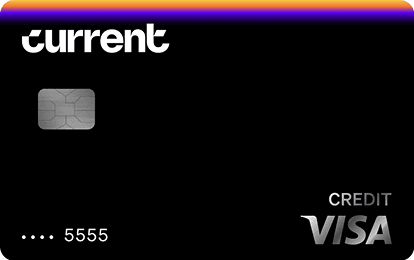
Current Build Card
$0 annual fee. No minimum deposit required. No credit check required. 1 point per dollar on eligible categories. Reports to Experian, TransUnion, Equifax.
Fee
$0
APR
0%
Minimum Deposit Amount
$0
Credit Check
No
Cashback
1 point/dollar on eligible categories (with qualifying payroll deposit)
Benefit
No credit check, no deposit minimum
Tell Your Card Issuer Before You Travel
Many issuers no longer require travel notices, but some still do. A surprise charge from another country can look like fraud and trigger a hold on your card.
Check the issuer app for a travel notice option. If there is one, set it up before you leave so your card keeps working overseas.
It also helps to save the issuer's international phone number in your contacts. If something goes wrong, you can call collect from anywhere.
Watch Out for Cash Advances
Pulling cash from a credit card at an ATM abroad is tempting. It is also expensive.
Cash advances usually trigger a 3% to 5% fee, a higher APR, and immediate interest with no grace period. Add the foreign ATM fee on top and you are paying a lot for that cash.
Use a debit card for ATM withdrawals instead, ideally one that refunds international fees. Save the credit card for purchases.
If approval for a premium travel card is uncertain, building 12 months of clean history first changes the outcome. Self Visa® Credit Card is backed by your own savings, reports to all three bureaus, and has the highest approval rate of any credit-builder card on the market.

Protect Yourself From Fraud
International travel raises the odds of card skimming and theft. A few simple habits go a long way.
Use contactless or chip transactions whenever possible. They are harder to skim than magnetic swipes.
Check your statement daily through the app. If you see something off, freeze the card right away and call the issuer.
Also enable purchase alerts so every charge sends a notification. That gives you near-instant fraud detection.
Build the Credit You Need First
If your score is not yet where you want it, focus on building it before you apply for a travel card. Paying on time and keeping balances low are the two biggest moves. A credit card for immigrants can be a useful starting point if you are new to U.S. credit.
A free monitor helps you see progress in real time. Creditship tracks your score and flags changes so you know when you are close to approval range.
You can also browse credit building cards to find a starter product while you grow your score.
Frequently Asked Questions
Does Discover It have foreign transaction fees?
No. The Discover it cards, including the Cash Back and Student Cash Back versions, charge a 0% foreign transaction fee. The real limitation is acceptance, since Discover is less widely accepted outside the U.S. than Visa or Mastercard.
Should I use a credit card or debit card abroad?
Use a credit card for most purchases. You get better fraud protection and usually better exchange rates. Use a debit card mainly for ATM cash withdrawals, where credit card cash advance fees would be painful.
Will using my card abroad hurt my credit?
No, using your card abroad has no special effect on your credit. What matters is paying on time and keeping balances low, just like at home. Heavy spending could push utilization up, so try to pay down during the trip if possible.
What if my card gets declined overseas?
First, check that you set up a travel notice if your issuer requires one. Then call the issuer's international number to confirm there is no fraud hold. Carrying a backup card on a different network helps avoid being stuck.




