Two cards, same size, same magnetic stripe, same chip. Yet a debit card and a credit card can lead to very different outcomes for your money, your safety, and your credit score.
The core difference is whose money you are spending. A debit card pulls cash straight from your checking account. A credit card borrows from the issuer and sends you a bill later. Everything else flows from that one distinction.
How Each Card Works
When you swipe a debit card, the purchase amount leaves your bank account almost immediately. You are spending money you already have.
A credit card works on borrowed money. The issuer covers the purchase, and you repay it when the statement is due. Pay in full and you owe no interest. Carry a balance and interest starts adding up.
That single mechanic shapes the trade-offs below.
Side-by-Side Comparison
| Feature | Debit Card | Credit Card |
|---|---|---|
| Source of funds | Your own cash in checking | Borrowed from the issuer |
| Builds credit history | No | Yes, when used responsibly |
| Fraud liability | Limited; depends on how fast you report | Capped at $50 by the Fair Credit Billing Act, often $0 |
| Interest charges | None | Yes, if you carry a balance |
| Rewards | Rare and small | Common: cash back, points, miles |
| Risk of debt | Very low | Higher without discipline |
| Overdraft risk | Possible, with fees | Not applicable |
Advantages of a Debit Card
The biggest advantage of a debit card is built-in spending control. You can only spend what is in the account, so it is much harder to fall into debt.
Debit cards also tend to carry fewer fees and no interest, since you are not borrowing. For people who want a simple, contained budget, that simplicity is the point.
A strong debit setup starts with a no-fee checking account. Current offers a checking and debit account with no monthly fee, no minimum balance, and tools that show your spending in real time, which suits anyone who wants to spend only what they have.
Current Banking

Current Banking
Current is a mobile-first banking app with no monthly fee and no minimum balance. Members can earn up to 4.00% APY with a qualifying direct deposit of $200, receive direct-deposit paychecks up to 2 days early, and overdraft up to $200 fee-free.
Standout feature
4.00% APY on Savings Pods (with a $200+ qualifying direct deposit) plus paycheck up to 2 days early — both included on the standard account for free
Fees
Free
Pros
$0 monthly fee; up to 4.00% APY on Savings Pods with qualifying direct deposit; paycheck up to 2 days early;
Cons
No physical branches
Disadvantages of a Debit Card
The trade-off is weaker protection. Because debit transactions come directly from your account, fraud hits your real balance right away, and getting that money back can take time.
Debit cards also do not build credit history. Years of responsible debit use will not help you qualify for a car loan, an apartment, or a mortgage.
Overdrafts are another risk. Spend more than your balance and some accounts charge overdraft fees, though many newer accounts limit or remove them.
If you want fee-free banking with overdraft protection and early direct deposit, Chime is a no-monthly-fee account designed to avoid the overdraft fees that catch debit users off guard.
Chime

Chime
- Fee-free banking plus early pay access (up to 2 days early with direct deposit)¹ - Overdraft up to $200 without fees for eligible members¹ - 5% cash back on category of choice (with qualifying direct deposit)¹ - 3.75% APY on your savings¹
Standout feature
No credit check, no interest, no annual fee, and no minimum deposit required.
Fees
$0
Pros
Fee-Free Banking and Get paid up to 2 days early
Cons
App/online-only support, no branches
Advantages of a Credit Card
Credit cards shine on protection and perks. Under the Fair Credit Billing Act, your liability for unauthorized charges is capped at $50, and many issuers offer $0 liability on top of that.
They also build credit. Responsible use, meaning on-time payments and low balances, reports to the credit bureaus and can lift your score over time. That score affects loan approvals and interest rates for years.
Then there are rewards. Cash back, points, and miles are common on credit cards and rare on debit cards. Used carefully, a credit card can pay you to spend.
Disadvantages of a Credit Card
The danger is debt. Because you are spending borrowed money, it is easy to spend more than you can repay, and unpaid balances grow with interest.
Credit card APRs are often high, so carrying a balance month to month can quietly undo any rewards you earn. The card only works in your favor if you pay it off.
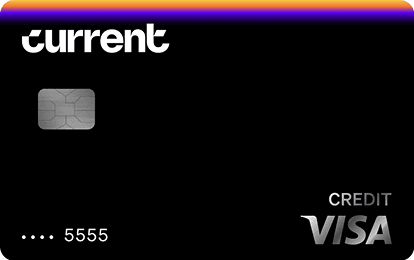
If your goal is the credit-building upside without the temptation of a large open credit line, a credit-builder card can be a gentler on-ramp. The Current Build Card is designed to help you build payment history that reports to the bureaus while keeping your spending tied to money you set aside, blending some debit-style control with credit-style reporting.
Current Build Card
Current Build Card
$0 annual fee. No minimum deposit required. No credit check required. 1 point per dollar on eligible categories. Reports to Experian, TransUnion, Equifax.
Fee
$0
APR
0%
Minimum Deposit Amount
$0
Credit Check
No
Cashback
1 point/dollar on eligible categories (with qualifying payroll deposit)
Benefit
No credit check, no deposit minimum
Which One Should You Use?
For most people, the answer is both, used for different jobs. A debit card keeps everyday spending tied to your real balance and is hard to abuse. A credit card adds protection, rewards, and credit history when you pay it in full.
A simple rule works well. Use credit for online purchases, travel, and anything where fraud protection matters, then pay the statement in full. Use debit, or your checking account, when you want to keep spending tightly inside your budget.
The worst outcome is relying on a credit card you cannot pay off. If that is a real risk for you right now, lean on debit and a credit-builder card until the habit is solid. Terms and conditions apply, and APRs vary by creditworthiness.
Frequently Asked Questions
Is a credit card or debit card safer for fraud?
Credit cards generally offer stronger fraud protection. The Fair Credit Billing Act caps your liability at $50 for unauthorized charges, and many issuers offer $0 liability. With debit, the money leaves your account immediately, so recovering it can take longer even though protections exist.
Does using a debit card build credit?
No. Debit cards pull from your own checking account and are not reported to the credit bureaus, so they do not build credit history. To build credit you typically need a credit card or credit-builder product that reports your payments.
Can I get rewards on a debit card?
Sometimes, but debit rewards are usually small and uncommon. Cash back, points, and miles are far more typical on credit cards. If rewards matter to you, a credit card paid in full each month usually returns more.
Should beginners start with debit or credit?
Many beginners start with a debit account for everyday control, then add a credit-builder card to start a credit history safely. Using both, while paying any credit balance in full, gives you spending discipline and a growing score at the same time. Results vary by individual.