If you type "guaranteed approval unsecured credit cards for bad credit" into Google, you will see dozens of ads promising yes-answers with no deposit. Most of those ads lead to fee-harvester cards or lead generators that sell your data. The blunt truth is that no major U.S. issuer gives a true guaranteed-approval unsecured card.
That does not mean you are stuck. There are real, legitimate cards designed for bad credit with very high approval odds, plus a handful of near-guaranteed credit-building products that work almost as well. Knowing the difference is the difference between building your score and getting scammed. If you specifically want a higher starting limit, see our breakdown of guaranteed approval cards with $1,000 limits for what's actually attainable in the bad-credit range.
Why True "Guaranteed Approval" Cards Do Not Exist
Federal lending rules require every credit card issuer to verify identity and assess ability to repay. Even for a $300 credit line, an issuer must run some form of check, usually a soft or hard pull, plus income verification.
The word "guaranteed" is used because it drives clicks. Read the fine print and you will almost always see "subject to approval based on creditworthiness." That is the opposite of guaranteed.
What does exist is cards with very loose underwriting, sometimes called near-guaranteed. These cards accept bankruptcies, charge-offs, and credit scores in the 500s. Your odds are high, but not 100 percent. For a concrete example, our guide on how to apply for a Merrick Bank credit card walks through a real subprime issuer that prequalifies scores in the 500s with a soft pull.
Unsecured Cards for Bad Credit That Are Not Scams
A few legitimate unsecured cards target credit scores in the 500s and 600s. They tend to charge an annual fee in the $35 to $99 range and start with a low credit line. These are not guaranteed, but they are approvable for many people in the bad-credit range.
The top pick in this category is the Aspire® Cash Back Rewards Mastercard, which sits in the FICO 540-640 band but tends to publish more transparent first-year fees than other subprime unsecured issuers. It runs a soft-pull prequalification so you can confirm approval odds without a hard inquiry, which is exactly the kind of restraint that keeps a thin file from getting worse. It even offers up to 3% cash back, which is uncommon for a card built for this credit range.
Aspire® Cash Back Rewards Mastercard
Aspire® Cash Back Rewards Mastercard
Aspire® Cash Back Rewards Mastercard. Prequalify* For Up To $1000 Credit Limit. No security deposit. Packed with great benefits, it’s designed to give you more flexibility—and purchasing power—along with up to 3% cash back rewards!** Good anywhere Mastercard is accepted, it’s the go-to card for any lifestyle.
Standout feature
Up to 3% cashback rewards**
Fees
$85–$175 first year, $229 thereafter (maintenance fees already included)
Pros
No Deposit Required. Prequalify* for up to $1000 credit limit
Cons
High APR, 36% Fixed.
If your score sits in a band where even Aspire might decline, the Perpay Credit Card is the closest thing to a workaround. Perpay does not pull a traditional credit score at all, it underwrites off your paycheck and routes payments through payroll deduction, so the approval question becomes about employment rather than FICO.
Perpay Credit Card
Perpay Credit Card
Meet the only card powered by your paycheck. With automatic transfers from your paycheck, you can manage payments stress-free and build credit with ease.
Fee
$9/month plus $9 account opening fee
APR
Marketplace: 0% / Credit Card: 27.74% to 29.99% depending on your creditworthiness.
Minimum Deposit Amount
$0
Credit Check
No
Cashback
2% reward on purchases made in Perpay Marketplace
Benefit
2% rewards, no security deposit
The Mission Lane Visa lets you prequalify with a soft pull, reports to all three bureaus, and is realistic for FICO scores in the 540-640 band. The prequalification shows your likely terms before any hard inquiry hits your report, so you can walk away if the fees do not fit.
The Indigo Mastercard works much the same way, with a soft-pull prequalification and reporting to all three bureaus. It is a common approval in that same 540-640 band, including for applicants with a past bankruptcy.
Expect a starting limit between $300 and $700. Expect an APR in the high 20s or low 30s. Expect a review after 6 to 12 months that may raise your limit and lower your fees.
Real Options With Very High Approval Odds
These are not guaranteed, but they are the closest thing on the market and they actually build credit.
OpenSky is a secured card with no credit check. Approval is based on your ability to fund the refundable deposit, which becomes your limit. It reports to all three bureaus.

Self Visa® Credit Card opens once you build equity in a Self.Inc Credit Builder Account, which has extremely loose approval criteria. You essentially pay into a CD for a few months, then the card unlocks. It is as close to automatic as a real unsecured-style card gets.
Kikoff Secured Credit Card uses a small refundable deposit and a simple application with no hard pull to apply. It reports to the major bureaus and is designed for thin-file and bad-credit users.
Kikoff Secured Credit Card
Kikoff Secured Credit Card
Kikoff Secured Credit Card works like a debit card & checking account and performs like a credit builder. Build credit with your everyday purchases.
APR
0%
Minimum Deposit Amount
$0
Credit Check
No
Cashback
Yes
Benefit
0% interest. No credit check.
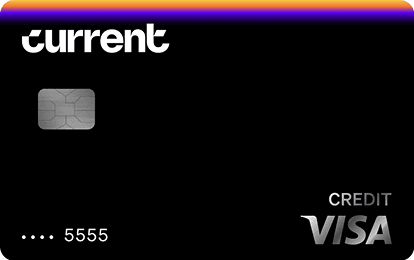
Current Build Card works like a secured card but pulls from money you set aside in a Current account. There is no traditional credit check, and approval odds are very high for anyone with a bank account.
Current Build Card
Current Build Card
$0 annual fee. No minimum deposit required. No credit check required. 1 point per dollar on eligible categories. Reports to Experian, TransUnion, Equifax.
Fee
$0
APR
0%
Minimum Deposit Amount
$0
Credit Check
No
Cashback
1 point/dollar on eligible categories (with qualifying payroll deposit)
Benefit
No credit check, no deposit minimum
If you get approved for one, treat it like training wheels. Keep the balance under 30 percent, pay in full every month, and graduate to a better card after a year. If even a bad-credit unsecured card gets denied, our walkthrough on the easiest store credit cards to get with bad credit covers retail cards (Fingerhut, Blair, Gettington) that often approve when general-purpose cards say no.
For a wider catalog of starter cards that don't require a security deposit at all, our 2026 roundup of credit cards with no down payment compares the bad-credit-friendly options by fee structure, starting limit, and limit-growth path.
The Three Biggest Traps
Fee-harvester cards charge a program fee, an application fee, a monthly fee, and an annual fee that eat most of your credit line before you swipe. An example pattern is a $300 limit card with $250 in first-year fees. Avoid any card where the first-year fees exceed about 25 percent of the credit line. Our First Digital Mastercard review and First Premier Bank application walkthrough both unpack the fee math on two of the most fee-heavy issuers in this segment.
Lead-gen sites collect your Social Security number and sell it to multiple lenders. You get flooded with pre-screened offers and, sometimes, identity-theft attempts. Never enter your SSN on a site that is not the actual issuer.
Prepaid cards disguised as credit cards are a third trap. A prepaid card does not report to the credit bureaus and does not build your score, no matter what the landing page says. Real credit cards report to Equifax, Experian, and TransUnion.
How to Maximize Your Approval Odds
Check your credit report first. Dispute errors before you apply, because a single wrongly reported late payment can knock 60 points off your score. Free services can help, and credit repair tools like Dovly automate the dispute process for you.
Pairing that dispute work with active monitoring is what catches issues fast. Creditship watches all three bureaus and alerts you when a new account, inquiry, or balance change posts, so you know exactly what an issuer is about to see when you submit a prequalification, and you can pause the application strategy if something unexpected shows up first.
Creditship

Creditship
Get free credit monitoring and concrete advice how to improve your credit from Creditship AI.
Standout feature
AI Credit Coach. AI analyzes your credit report in depth and gives you tailored, actionable steps to raise your score.
Fees
Free
Pros
Free credit report access plus monitoring and alerts
Cons
No credit repair feature
Apply for one card at a time. Every hard inquiry is a small ding, and a cluster of inquiries signals desperation to lenders. Space applications at least 90 days apart.
Use a pre-qualification tool when available. Pre-qualification uses a soft pull and tells you your approval odds without hurting your score. If an issuer does not offer pre-qualification, call their reconsideration line before applying cold.
If you have not filled out an application before, our beginner's guide on how to apply for credit online walks through every field that trips people up, when to use prequalification, and how to read the response after you hit submit.
What to Do If You Get Denied
The issuer must send you a denial letter within 30 days explaining why. Read it. The reason might be something simple like insufficient income or a recent address change, not your score.
Request a free copy of the credit report the issuer used. Federal law gives you this right after any adverse action. Look for errors you can dispute.
Consider a secured card or a credit-builder loan while you rebuild. Most people who were denied an unsecured card can approve for a secured one the same week. After six to 12 months of positive history, try again.
The Real Timeline to an Unsecured Card
From a starting score in the low 500s, most people can reach the mid-600s within 12 months of consistent on-time payments and low utilization. That is usually enough for a legitimate unsecured card with no deposit.
The shortcut is starting with a near-guaranteed product today, not chasing a card that does not exist. A $200 deposit on OpenSky or a small Self Credit Builder Account can move your score into the 600s faster than six months of looking for the perfect unsecured offer.
Firstcard can help you line up a credit-building product that matches your situation and skip the scam cards entirely. The best "guaranteed approval" strategy is the one that actually raises your score.
Frequently Asked Questions
Are guaranteed-approval credit cards real?
No major U.S. issuer offers truly guaranteed approval on an unsecured card, because federal rules require some form of underwriting. The closest real options are secured cards with no credit check like OpenSky or deposit-backed products like Current Build Card. These have very high approval odds but are not technically guaranteed.
What credit score do I need for an unsecured card?
Bad-credit unsecured cards typically approve scores starting around 550 to 600, though fees can be steep. A score above 640 usually qualifies for better unsecured offers with lower fees and higher limits. Below 550, a secured card is almost always the smarter move.
Do secured credit cards hurt your credit?
No. A secured card reports to the bureaus like any other card, and on-time payments help your score the same way. The refundable deposit is not a fee and is returned when you close the account or upgrade to an unsecured card.
How can I get approved for a credit card with bad credit?
Start by checking your credit report for errors and disputing anything wrong. Apply for one card at a time, preferably one with pre-qualification. If you are still denied, open a secured card or credit-builder account and rebuild for six to 12 months before trying an unsecured card again.

Kenji is the Founder and CEO of Firstcard. He built and sold iTank, Japan's largest internship platform, and has made about 40 angel investments, including Substack. He started Firstcard at UC Berkeley Haas after he was rejected for his first U.S. credit card. Full profile and latest articles →