
Is three credit cards too many? Is seven? The honest answer is that there is no single number that works for everyone. What matters far more than the count is how you use the cards you have.
The average American carries around three to four cards in regular use, and closer to five once store cards are included. But plenty of people manage six comfortably while others struggle with two. Here is how to find the right number for you.
Is there a magic number?
No. Credit scoring models do not penalize you simply for having many accounts. Your score is built mostly from payment history and how much of your available credit you use.
That means one person can handle five or six cards with ease, while another gets overwhelmed by two. The count itself is not the problem. Your habits are what decide the outcome.
How many cards the average person has
Data from 2026 puts the average number of credit cards per person at roughly 3.5 to 3.7 in active use. Including store cards, the typical person holds about five accounts.
So if you have three or four cards, you are squarely in normal territory. Six or more starts to be above average, but above average is not the same as too many.
How multiple cards can actually help
More cards can help your credit in a few ways. The biggest is credit utilization, which is the share of your available credit you are using.
Spreading a fixed balance across more cards, or simply having more total available credit, can push your utilization ratio down. Keeping utilization under 30 percent, and ideally under 10 percent, tends to support a higher score. More accounts in good standing can also add positive payment history over time.
When more cards start to hurt
Cards become a problem when they lead to trouble you can feel. Watch for these signs.
You lose track of due dates and miss payments. You carry balances you cannot pay off, so interest piles up. You are tempted to spend more just because the credit is there. Or you open several cards in a short window, which lowers your average account age and adds hard inquiries.
Even one 95 percent balance on a single card can drag your score down, even if your overall utilization looks fine. So per-card balances matter too.
How to decide your right number
Start with what you can manage without stress. If you never miss a payment and keep balances low, adding a card can be reasonable.
Ask yourself three questions before applying. Can I pay this off in full most months? Does the card offer something my current cards do not? Comparing the types of credit cards you already carry can help you spot a real gap. And am I applying for a real reason, not just a signup bonus I will regret? If the answers are yes, another card may fit.
What happens if you already have too many
If you feel stretched, you do not have to close everything at once. Closing a card can raise your utilization and shorten your credit history, which may lower your score.
Pull a copy of your credit report to see every account in one place. Then stop using the cards you struggle with, set autopay on the rest, and focus on paying down balances. Only close a card if the annual fee is not worth it or the temptation is too strong.
Building credit before you add cards
If your goal is a stronger profile rather than more plastic, a single credit-builder account can do more than a fifth rewards card. The Self Visa Credit Card reports to all three bureaus and is designed to help you add positive history without a large credit line to manage.

The Current Build Card works on a similar principle, tying your reported activity to money you have already set aside so balances stay manageable. This can be a steadier way to grow your file than juggling several traditional cards.
Current Build Card
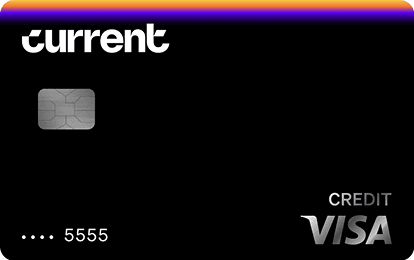
Current Build Card
$0 annual fee. No minimum deposit required. No credit check required. 1 point per dollar on eligible categories. Reports to Experian, TransUnion, Equifax.
Fee
$0
APR
0%
Minimum Deposit Amount
$0
Credit Check
No
Cashback
1 point/dollar on eligible categories (with qualifying payroll deposit)
Benefit
No credit check, no deposit minimum
For people who want a simple starter account, the Kikoff Secured Credit Card offers a low-limit option that keeps spending in check while still reporting your on-time payments. Starting with one well-managed account is often smarter than opening several at once. Terms and conditions apply, and results vary by individual.
Next steps
Count the cards you actually use and check your utilization on each one. If you are paying on time and staying under 30 percent, your number is probably fine. If you feel stretched, pause new applications, set autopay, and pay down your highest-balance card first.
Kikoff Secured Credit Card

Kikoff Secured Credit Card
Kikoff Secured Credit Card works like a debit card & checking account and performs like a credit builder. Build credit with your everyday purchases.
APR
0%
Minimum Deposit Amount
$0
Credit Check
No
Cashback
Yes
Benefit
0% interest. No credit check.
Frequently Asked Questions
Does having a lot of credit cards hurt your credit score?
Not by itself. Scoring models care about payment history and utilization far more than the raw number of cards. Many cards can even help if you keep balances low and pay on time, but they can hurt if they lead to missed payments or higher debt.
Is it bad to have five credit cards?
Five cards is close to the national average, so it is not unusual or inherently bad. What matters is whether you can pay each one on time and keep balances low across all of them.
Will closing a credit card raise my score?
Usually not right away. Closing a card lowers your total available credit, which can raise your utilization ratio, and it may shorten your average account age. It can still make sense if the annual fee is not worth it or the card tempts you to overspend.
How many cards should I have to build credit?
One well-managed account is enough to start building credit. Focus on paying on time and keeping the balance low before adding more, since good habits on a single card matter more than the number of cards you hold.




