
Walk into any comparison site and you will see hundreds of credit cards, but almost all of them fall into about seven buckets. Once you know the buckets, choosing gets a lot simpler. This guide breaks down the main types of credit cards in 2026, who each one tends to fit, and the trade-offs to watch.
A quick note before we start. The right type depends on your credit profile and your goal, whether that is building history, earning rewards, or financing a purchase. Terms and conditions apply, and APRs vary by creditworthiness.
Secured credit cards
A secured card requires a refundable security deposit that usually sets your credit limit. Put down $200 and you typically get a $200 limit. The deposit lowers the risk for the issuer, which is why these cards are the easiest to get approved for with thin or damaged credit.
Secured cards report to the major credit bureaus just like regular cards, so on-time payments can help build history. Options like the Self Visa Credit Card pair a secured line with a savings-style component, and Kikoff offers a secured product aimed at first-time builders. Deposits are refundable when you close the account in good standing or upgrade to an unsecured card.

The Kikoff secured line works similarly for people who want a low-friction way to start reporting positive activity.
Kikoff Secured Credit Card
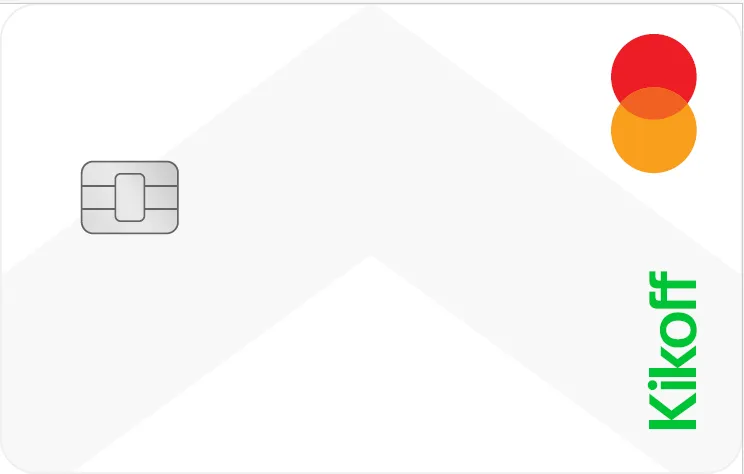
Kikoff Secured Credit Card
Kikoff Secured Credit Card works like a debit card & checking account and performs like a credit builder. Build credit with your everyday purchases.
APR
0%
Minimum Deposit Amount
$0
Credit Check
No
Cashback
Yes
Benefit
0% interest. No credit check.
Credit-builder and starter cards
Some cards are built specifically to grow a credit file without a large deposit or a strong score. These credit-builder products often tie a secured line to your own spending money and report your activity every month.
The Current Build Card and the Chime Card both fall into this group. They aim to help people establish payment history while keeping fees and interest exposure low. These are a strong fit if you are brand new to credit or rebuilding after a setback.
Current Build Card
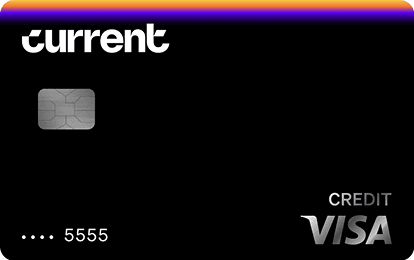
Current Build Card
$0 annual fee. No minimum deposit required. No credit check required. 1 point per dollar on eligible categories. Reports to Experian, TransUnion, Equifax.
Fee
$0
APR
0%
Minimum Deposit Amount
$0
Credit Check
No
Cashback
1 point/dollar on eligible categories (with qualifying payroll deposit)
Benefit
No credit check, no deposit minimum
Chime's card follows the same idea, using money you move onto the card so you avoid revolving high-interest balances.
Chime Card™
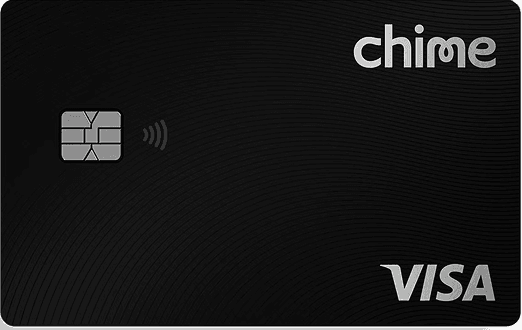
Chime Card™
Chime Card™ is Chime's secured credit card and has the reliable Chime credit-building features plus 5% cash back rewards on category of choice (with qualifying direct deposit) and access to cash at ATMs.¹
Fee
$0
APR
No interest
Minimum Deposit Amount
$0
Credit Check
No
Cashback
5% cash back rewards on category of choice (with qualifying direct deposit)
Benefit
Overdraft up to $200 without fees for eligible members.
Rewards credit cards
Rewards cards give you something back on spending, and they split into three common styles.
Cash back cards return a percentage of purchases, often 1 percent to 2 percent flat or higher in bonus categories like groceries and gas. Travel cards earn points or miles you redeem for flights and hotels. Points cards use flexible currencies that transfer to airline and hotel partners.
Rewards cards usually need fair to good credit for approval. If you are still building, a starter rewards option like the Aspire Cash Back Rewards Mastercard can let you earn a little while you grow your score. Just make sure any rewards outweigh the annual fee, if there is one.
Aspire® Cash Back Rewards Mastercard
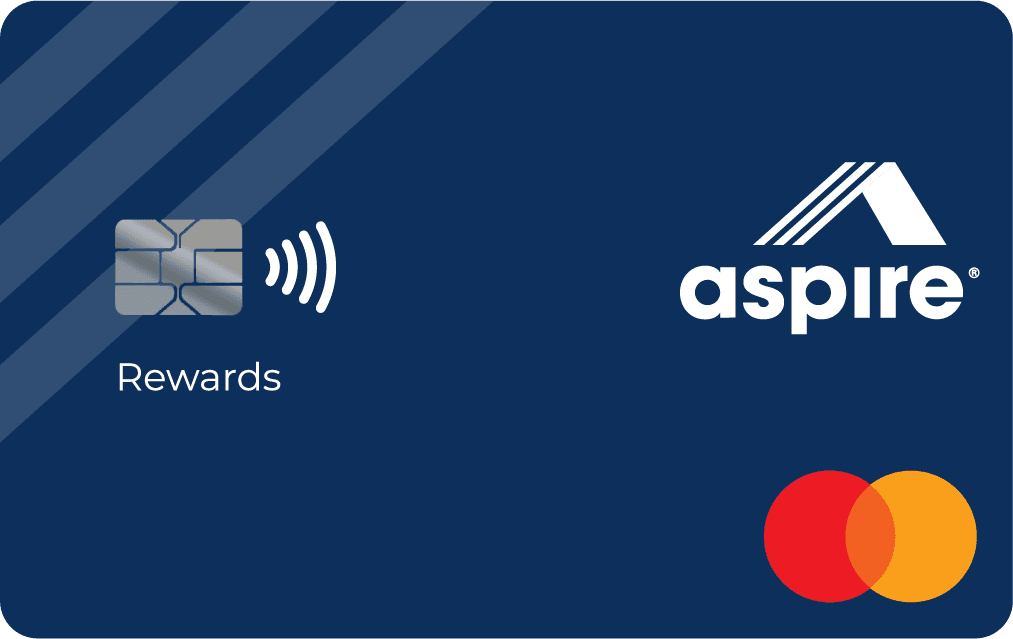
Aspire® Cash Back Rewards Mastercard
Aspire® Cash Back Rewards Mastercard. Prequalify* For Up To $1000 Credit Limit. No security deposit. Packed with great benefits, it’s designed to give you more flexibility—and purchasing power—along with up to 3% cash back rewards!** Good anywhere Mastercard is accepted, it’s the go-to card for any lifestyle.
Standout feature
Up to 3% cashback rewards
Fees
$49 to $175; after that $0 to $49 annually; - $60 to $159 annually billed at $5 to $12.50 per month after the first year.
Pros
No Deposit Required. Prequalify for up to $1000 credit limit
Cons
High APR. 25.74% to 36%, based on your creditworthiness.
Store and retail credit cards
Store cards are tied to a specific retailer or family of brands and often earn extra points there. They tend to approve applicants with lower scores, which makes them a common first card.
The trade-off is a high APR. Many store cards carry rates near or above 30 percent, so they can get expensive fast if you carry a balance. They work best when you pay in full every month and shop the brand often.
Student credit cards
Student cards are unsecured cards designed for college students with limited credit history. They usually have modest limits, simple rewards, and sometimes perks tied to good grades or on-time payments.
These cards can be a smart bridge from no credit to a standard rewards card. Responsible use during school builds a track record that helps after graduation.
Business credit cards
Business cards are for company expenses and often require a business name, though sole proprietors can qualify using their own information. They tend to offer higher limits and category bonuses on things like office supplies, advertising, and shipping.
Keeping business spending on a separate card also simplifies bookkeeping and taxes. Note that many business cards still rely on the owner's personal credit for approval.
Charge cards
Charge cards are the outlier. Traditionally they carry no preset spending limit and require you to pay the balance in full each month rather than revolve it. Miss that and you can face steep late fees.
Modern charge cards often add flexible payment features, blurring the line with regular cards. They usually require good to excellent credit and reward heavy spenders with premium perks.
How to choose the right type
Start with your goal. If you are building or repairing credit, a secured or credit-builder card is the practical entry point. If your credit is solid and you pay in full, a rewards card puts money back in your pocket.
Match the card to your habits, not the flashiest sign-up bonus. Look at the APR if you might carry a balance, the annual fee, and whether the card reports to all three bureaus. Pairing any card with free credit monitoring from a service like Creditship helps you watch your score respond over time.
As a next step, pick one category that fits your situation, compare two or three cards inside it, and apply for the single best match. Opening too many cards at once can ding your score.
Frequently Asked Questions
What are the main types of credit cards?
The most common types are secured cards, credit-builder or starter cards, rewards cards (cash back, travel, and points), store cards, student cards, business cards, and charge cards. Most cards on the market fit into one of these groups. Your credit profile and goal usually point you toward one or two categories.
Which type of credit card is best for building credit?
Secured cards and credit-builder cards are typically the best starting points because they are easier to qualify for and report your payments to the bureaus. On-time payments and low balances are what actually move your score. After several months of positive history, you can often upgrade to an unsecured rewards card.
Are store credit cards worth getting?
Store cards can be worth it if you shop the brand often and pay the balance in full each month. The main risk is the high APR, which is frequently near or above 30 percent, so carrying a balance can erase the rewards quickly. They are best treated as a loyalty perk, not a financing tool.
What is the difference between a credit card and a charge card?
A regular credit card lets you carry a balance from month to month and charges interest on what you owe. A charge card traditionally requires you to pay the full balance every month and often has no preset spending limit. Charge cards usually require stronger credit and reward high spenders with premium benefits.




