
The average credit card APR sat at 21.52 percent as of February 2026, according to the Federal Reserve. Carry a balance at that rate and interest adds up fast. A low-APR card can cut that cost sharply, sometimes to single digits.
But the lowest rates rarely come from the big-name rewards cards you see advertised. Here is where to actually find them, how the numbers work, and how to qualify for a lower rate on your next card.
What counts as a low APR in 2026
With the average around 21.5 percent, anything meaningfully below that is worth a look. Credit union cards often land in the 8 to 15 percent range depending on your credit.
So a card advertising an ongoing rate near 14 percent is genuinely low by today's standard. Remember that APRs are ranges, and the best rate goes to applicants with strong credit.
Why credit unions win on rates
The true low-interest cards usually come from credit unions and smaller regional banks, not national issuers. Federal rules cap most credit union APRs at 18 percent, which keeps their rates lower.
For example, PenFed's rewards Visa has advertised ongoing rates as low as the mid-teens. You do have to join the credit union first, which can be as simple as opening a small savings account with a $5 deposit.
Low ongoing APR vs 0 percent intro APR
These are two different things, and mixing them up is a common mistake. A low ongoing APR stays low for the life of the card. A 0 percent intro APR is temporary.
An intro offer, such as 0 percent for 15 months on purchases and balance transfers, is great for a planned payoff. But once it ends, the regular APR, which can be high, takes over. If you tend to carry a balance long term, a low ongoing rate usually beats a flashy intro deal.
How your credit score sets your rate
Card APRs are almost always shown as a range, like 15 to 26 percent. Where you land depends mostly on your credit score and history.
Applicants with excellent credit get the bottom of the range. Those with fair or building credit get the top, or may not qualify for a low-rate card at all. That is why improving your score is the most direct way to lower the interest you pay.
How to qualify for a lower APR
A few moves can help. Pay every bill on time, since payment history is the biggest score factor. Keep your credit utilization low, ideally under 30 percent and better under 10 percent.
Check your credit report for errors and dispute any you find. And if you already have a card, you can call your issuer and ask for a rate reduction, especially if your credit has improved since you opened it.
What if you cannot qualify yet
If your credit is thin or damaged, low-APR cards may be out of reach for now. The best move is to build your score first, which then unlocks lower rates across the board.
A credit-builder account like the Self Visa Credit Card reports to all three bureaus and is designed to help you add the positive payment history that lenders reward with better rates.

The Current Build Card is another option, tying your reported activity to funds you set aside so your balance stays easy to manage. Because you are not revolving a high-interest balance, it sidesteps the APR problem entirely while your score grows.
Current Build Card
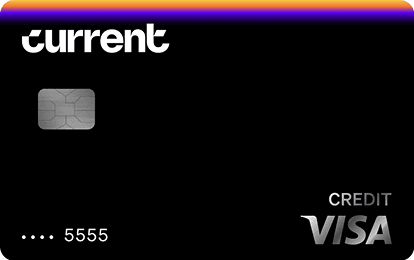
Current Build Card
$0 annual fee. No minimum deposit required. No credit check required. 1 point per dollar on eligible categories. Reports to Experian, TransUnion, Equifax.
Fee
$0
APR
0%
Minimum Deposit Amount
$0
Credit Check
No
Cashback
1 point/dollar on eligible categories (with qualifying payroll deposit)
Benefit
No credit check, no deposit minimum
For a simple low-limit starter, the Kikoff Secured Credit Card reports on-time payments while keeping spending contained. A few months of steady payments can move your score toward the range where low-APR cards become realistic. Terms and conditions apply, and APRs vary by creditworthiness.
Next steps
Start by checking your current APR and your credit score. If your score is strong, look first at credit unions and regional banks for the lowest ongoing rates, and consider joining one. If your score needs work, build it first, then apply once you can qualify for the bottom of the rate range.
Kikoff Secured Credit Card
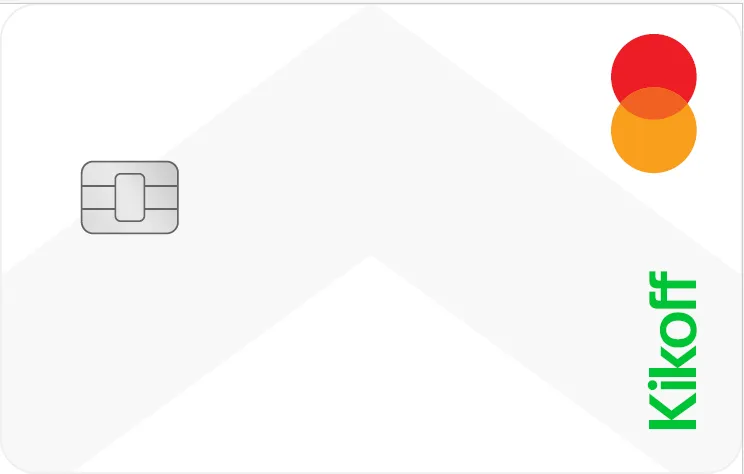
Kikoff Secured Credit Card
Kikoff Secured Credit Card works like a debit card & checking account and performs like a credit builder. Build credit with your everyday purchases.
APR
0%
Minimum Deposit Amount
$0
Credit Check
No
Cashback
Yes
Benefit
0% interest. No credit check.
Frequently Asked Questions
Where can I find the lowest APR credit cards?
Credit unions and smaller regional banks typically offer the lowest ongoing APRs, often between 8 and 15 percent. Federal rules cap most credit union rates at 18 percent, which is why they usually beat national card issuers.
What is a good APR for a credit card in 2026?
With the average card APR above 21 percent as of early 2026, anything meaningfully below that is good. A rate in the mid-teens or lower is considered strong and usually requires good to excellent credit.
Is a low ongoing APR better than a 0 percent intro offer?
It depends on your habits. A 0 percent intro APR is best if you can pay off a balance before the promo ends, while a low ongoing APR is better if you tend to carry a balance long term, since it stays low permanently.
How can I lower the APR on a card I already have?
Call your issuer and ask for a rate reduction, which is more likely to succeed if your credit has improved since you opened the account. Paying on time and lowering your utilization strengthens your case and your score.




