
Arriving in the US as an international student is exciting and overwhelming at the same time. One thing nobody prepares you for is the invisible financial wall called "credit history." Without it, everyday things like renting an apartment, getting a phone plan, or financing a laptop become much harder — in fact, our guide to what credit score you need to rent an apartment shows just how much the right score can unlock for off-campus housing.
The good news is that you can start building US credit from your first month on campus. For a realistic view of the timeline, see our guide to how long it takes to establish good credit so you know which milestones to expect in your first year. Before a card application, you also need a US checking account, and our walkthrough on how to open a bank account without an SSN explains which banks accept a passport and I-20. If you're on an F-1 visa, our list of credit cards for F-1 students without an SSN breaks down the ITIN-based and no-SSN options that approve students from day one. If you are arriving from Canada specifically, our walkthrough on how to bring your credit history from Canada to the US in 2026 explains what Equifax Canada-to-US transfers do (and don't) cover, plus which US issuers actually accept the cross-border data. If your family is transitioning to work visas after school, our guide to credit card approval on an L1 visa in the USA covers the intra-company-transfer case in detail. You can also read about how Firstcard provides financial access for international students without an SSN to see how a product built for this situation handles onboarding and reporting. Here's how.
Why Credit Matters (Even If You're Only Staying a Few Years)
A credit score is the single number US lenders use to decide whether to approve you. Landlords, phone carriers, car dealers, and banks all check it. Without a credit history, you'll face bigger deposits, worse rates, and fewer options.
Even if you plan to return home after graduation, the credit you build now will pay off if you ever return to the US for work, an internship, or an exchange program. If you are planning to stay for post-graduation work, see our guide to credit card options for OPT visa holders for how your options change once you receive an EAD. If your first job ends up being an intra-company transfer on an L1, check our breakdown of credit card approval on an L1 visa for what issuers are looking for.
Start by Getting an SSN or ITIN
You need one of two things to apply for most US credit products:
- Social Security Number (SSN) — available to international students with work authorization (on-campus job, CPT, OPT).
- Individual Taxpayer Identification Number (ITIN) — a nine-digit number the IRS issues to people who can't get an SSN.
Most international students qualify for one or the other. Start there, because many (not all) credit products require one. Learn more about how to get an ITIN.
Credit Cards Designed for International Students
A growing number of card issuers now accept international students without an SSN. Options include:
- Zolve Credit Card — no SSN required, designed for international students and immigrants.
- Deserve EDU Mastercard — doesn't require a credit history or SSN for international students.
- Capital One Platinum Secured — accepts ITIN applicants in many cases.
- Discover it Student Chrome / Cash Back — great for students with an SSN and on-campus work.
Apply for one card and use it responsibly. You don't need multiple cards to build credit. For a more general roundup that includes options for any applicant with a thin file (not just international students), see our shortlist of the best credit cards for limited credit history.
If you want a no-deposit way to start, Current's credit-builder card needs no SSN-only credit check and no deposit minimum, which suits students and newcomers building history from everyday spending. Because it reports your activity to the bureaus, a few months of small, on-time charges can put a real FICO score on the board before your first year ends.
Current Build Card
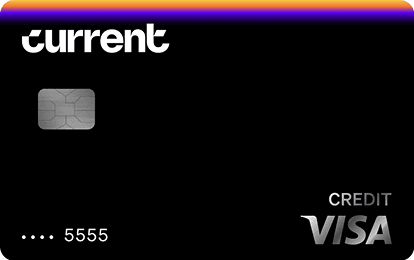
Current Build Card
$0 annual fee. No minimum deposit required. No credit check required. 1 point per dollar on eligible categories. Reports to Experian, TransUnion, Equifax.
Fee
$0
APR
0%
Minimum Deposit Amount
$0
Credit Check
No
Cashback
1 point/dollar on eligible categories (with qualifying payroll deposit)
Benefit
No credit check, no deposit minimum
Other Tools for International Students
A credit card isn't your only option. You can also try:
- Secured credit cards — put down a small refundable deposit and use the card normally.
- Credit builder loans — products from Self, Kikoff, or similar services where you "save" while building credit.
- Rent reporting — services that report your on-time rent to the bureaus.
- Authorized user status — if you have a family member or close friend with good US credit, they can add you to their card.
Many international students use a combination: one credit card plus rent reporting is a powerful starter kit.
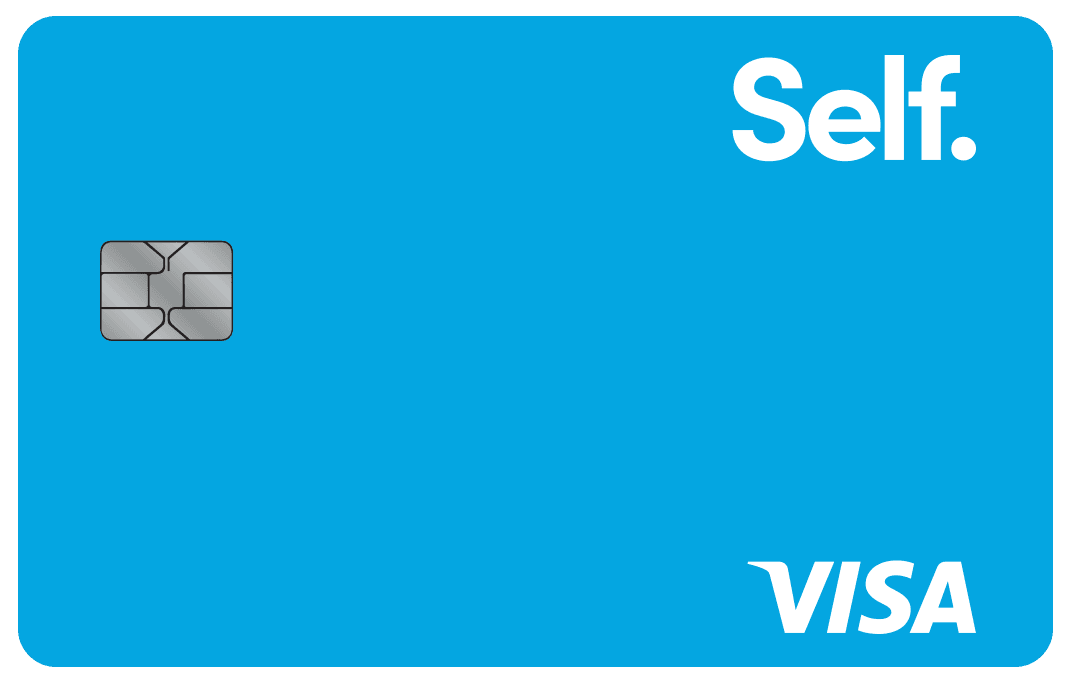
If a secured card plus a savings habit sounds right, the Self Visa Credit Card reports to all three bureaus and pairs a Credit Builder Account with a secured card, a common first step for building U.S. credit. International students who can fund a small monthly deposit often use it to graduate from "no history" to a scored file within a semester or two.
How to Use Your First Card
Once approved, use your first card carefully:
- Charge one small recurring expense each month, like your phone bill or a streaming subscription.
- Set up autopay for the full statement balance so you never miss a payment.
- Keep your utilization under 30% of the credit line.
- Don't apply for multiple cards in your first year.
- Check your credit report once a month to track progress.
In six months, you should have a fledgling FICO score. In 12 months, it can be a useful number for renting or financing.
Common Mistakes to Avoid
- Ignoring credit until graduation. Starting earlier gives you more time to build.
- Using a cash-only lifestyle. Cash doesn't build credit, no matter how responsible you are.
- Missing a single payment. One 30-day late mark can undo months of progress.
- Maxing out your card. Even if you pay it off, high utilization hurts your score.
Learn more about credit cards for international students and how to build credit with an ITIN.
TheITIN.com

TheITIN.com
No SSN? No problem. TheITIN.com makes getting your U.S. tax ID (ITIN) fast and painless — 100% online. Perfect for people who need to start building credit, file taxes, or open bank accounts in America.
Standout feature
100% online ITIN application. No hidden fees. Trusted by thousands with 4.8★ on Trustpilot.
Fees
Starting at $497
Pros
Fast, fully online process. Highly rated customer support (4.8★ Trustpilot). Transparent pricing with no hidden fees.
Cons
Processing time depends on IRS (can take up to 14 weeks).
Frequently Asked Questions
Can I build credit as an international student without an SSN? Yes. Many card issuers now accept ITIN holders or students without any tax ID. Zolve, for example, is designed specifically for international students and immigrants without SSN requirements.
How long does it take to build a credit score as an international student? Most credit bureaus need six months of credit history to generate a FICO score. With regular card use and on-time payments, you can have a usable score (typically 580-650) within 6-12 months.
Will my US credit history follow me if I move back home? No. Credit histories are tied to US-based credit bureaus (Equifax, Experian, TransUnion). If you return home, that history stays in the US unless you return.
What if I can't get approved for a credit card? Start with a secured credit card (deposit required) or a credit builder loan. Both report to US bureaus and help establish credit even with no history or SSN.
Is a student credit card enough, or do I need more? One card plus rent reporting is a strong combination. You don't need multiple cards to build credit efficiently; using one card responsibly is often better than juggling several.
The Bottom Line
You don't need to wait for an SSN or a green card to start building US credit. With the right first card and a few months of smart use, you can have a real credit history before your first semester ends.




